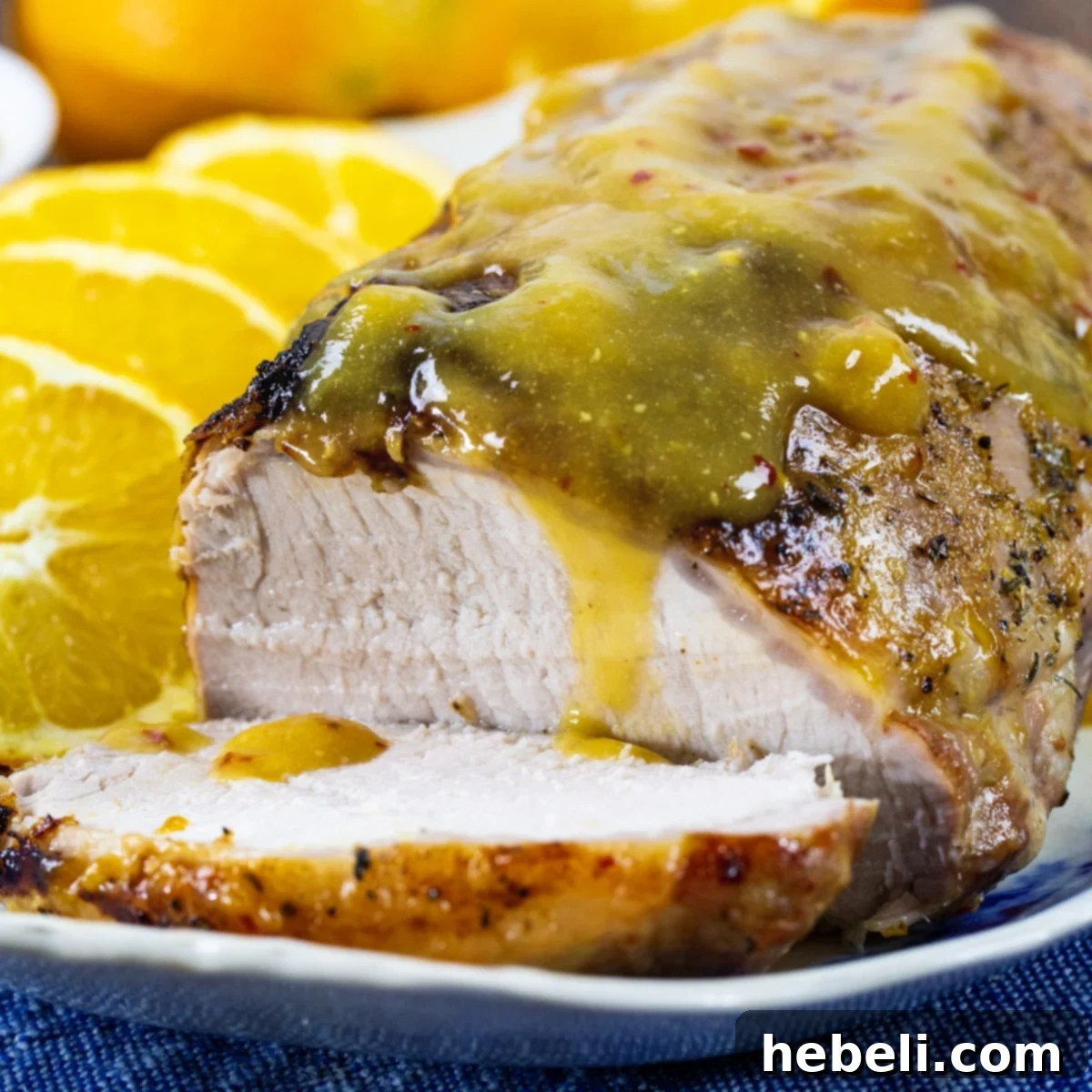
Prepare to impress with this spectacular Orange-Glazed Pork Loin, a dish that perfectly balances sweet, tangy, and a hint of spice. This exquisite roast, coated in a glistening citrus glaze, transforms a simple pork loin into a truly memorable meal, ideal for holiday gatherings, family celebrations, or any time you desire an exceptionally flavorful dinner. Designed to serve up to 6 people generously, it’s both approachable for home cooks and elegant enough to be the centerpiece of a special meal.
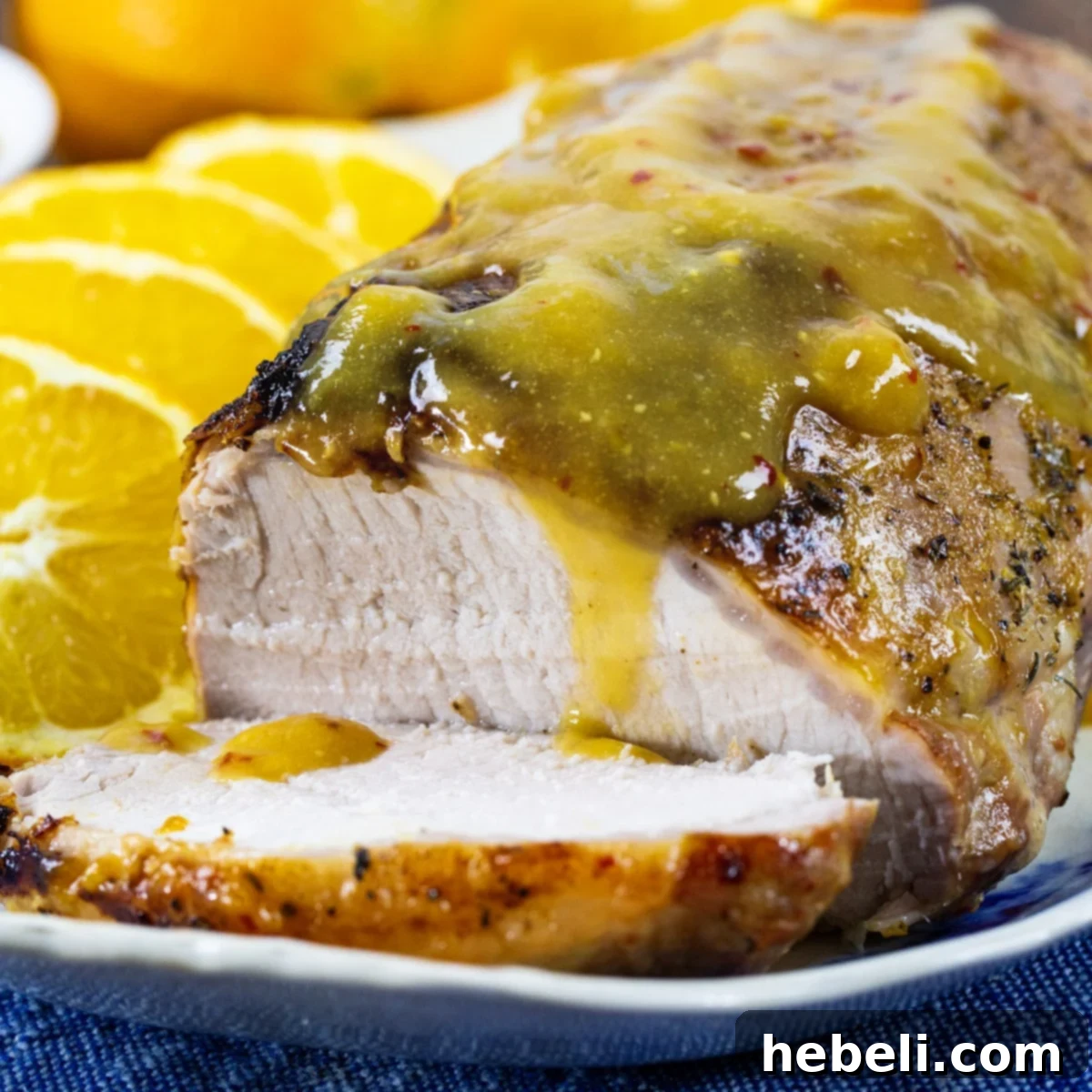
Effortlessly Delicious: Crafting the Perfect Orange-Glazed Pork Loin
Creating this succulent Orange-Glazed Pork Loin is surprisingly straightforward, allowing you to achieve a restaurant-quality meal without spending excessive hours in the kitchen. The process involves simple steps for seasoning and roasting the pork, followed by the creation of a vibrant, flavor-packed glaze that elevates the entire dish.
Seasoning and Initial Roasting Steps
The foundation of any great roast lies in its seasoning. Begin by ensuring your boneless pork loin is thoroughly patted dry with paper towels. This crucial step not only helps the seasoning adhere better but also promotes a beautiful, golden-brown crust. For our Orange-Glazed Pork Loin, we use a fragrant blend of familiar spices: a full teaspoon of salt, half a teaspoon of freshly ground black pepper, a teaspoon of pungent garlic powder, and half a teaspoon of warming ground ginger. To add an aromatic depth, you’ll also incorporate a quarter teaspoon of dried thyme or, for a more robust herbaceous note, a full teaspoon of dried rosemary. Combine these spices in a small bowl, then rub the mixture generously over all surfaces of the pork loin. Place the seasoned pork, fat side up, in a sturdy roasting pan. This fat layer will slowly render during cooking, naturally basting the meat and contributing to its moistness and flavor. The pork is then roasted in a preheated oven at 350 degrees Fahrenheit (approximately 175 degrees Celsius) for an initial 45 minutes, allowing the spices to infuse the meat and the exterior to begin to caramelize.
Preparing the Irresistible Orange Glaze
While your pork loin is in the oven, you’ll prepare the star of this dish: the sweet, tangy, and subtly spicy orange glaze. This delectable sauce comes together effortlessly in a small saucepan. Combine one cup of fresh orange juice, which provides a bright citrusy base, with a quarter cup of packed light brown sugar for a rich, molasses-like sweetness that complements the pork beautifully. One tablespoon of Dijon mustard adds a subtle tang and helps emulsify the glaze, while one teaspoon of soy sauce contributes a crucial umami depth, balancing the sweetness. For a delightful hint of warmth and a touch of intrigue, half a teaspoon of crushed red pepper flakes is added. To achieve the perfect consistency, a slurry of water and cornstarch is whisked in. Combine one-third cup of water with one tablespoon of cornstarch in a separate small bowl until smooth, then add this mixture to the saucepan. Bring the glaze to a gentle simmer over medium heat, whisking constantly until it thickens to a glossy, pourable consistency that will beautifully coat the pork. Once thickened, remove the glaze from the heat and set it aside, ready to be brushed onto the roast.
Glazing and Finishing Your Masterpiece
After the pork loin has roasted for its initial 45 minutes, it’s time for the magical transformation. Carefully remove the roasting pan from the oven and generously brush the entire pork loin with the prepared orange glaze. Return the pork to the oven and continue roasting. This basting process is repeated periodically throughout the remaining cooking time, allowing the glaze to caramelize into a sticky, glossy, and intensely flavorful crust. The pork is cooked until it reaches a precise internal temperature of 145 degrees Fahrenheit (approximately 63 degrees Celsius) when measured with a reliable meat thermometer inserted into the thickest part of the loin. This typically requires an additional 15 to 30 minutes of roasting, depending on your oven’s calibration and the exact size of your roast. Once the target temperature is achieved, remove the pork from the oven, give it one final generous brush of any remaining glaze, and, most importantly, allow it to rest. Transfer the glazed pork loin to a cutting board and let it rest for a full 10 minutes before slicing. This resting period is absolutely crucial for the juices to redistribute throughout the meat, ensuring every slice is incredibly moist, tender, and flavorful.
Achieving Pork Perfection: Understanding Internal Temperature and Cooking Times
Cooking pork loin to perfection hinges on understanding safe internal temperatures and the concept of “carryover cooking.” The ultimate goal is always a tender, juicy roast, never dry or chewy. This requires precision and the invaluable tool of a good meat thermometer.
Understanding Safe Internal Temperatures for Pork
According to current food safety guidelines, pork is safely cooked when it reaches an internal temperature of 145 degrees Fahrenheit (63 degrees Celsius). At this temperature, the pork will have a slight blush of pink in the center, indicating optimal juiciness and tenderness. It’s important to note that these guidelines have evolved; older recommendations for much higher temperatures often resulted in overcooked and dry pork. Embracing the 145°F target ensures a superior eating experience while maintaining food safety. The key is consistent monitoring to avoid undercooking, which is unsafe, and overcooking, which sacrifices texture and flavor.
The Indispensable Meat Thermometer
Relying solely on visual cues or generic cooking time charts can be misleading. Oven temperatures can vary significantly, and the precise thickness and initial temperature of your pork loin will influence the cooking duration. A reliable digital meat thermometer is your most essential tool in the kitchen for this recipe. Insert it into the thickest part of the pork loin, being careful to avoid any bones (if present) or large pockets of fat, to obtain the most accurate reading. For both food safety and optimal texture, always double-check the temperature before removing the roast from the oven.
The Science of Carryover Cooking
One of the most common mistakes in roasting is neglecting to account for carryover cooking. Once you remove the pork loin from the hot oven, its internal temperature will continue to rise by several degrees as residual heat penetrates the meat. This phenomenon is why professional chefs often remove roasts from the oven a few degrees below their target temperature. For our Orange-Glazed Pork Loin, it’s wise to remove it when it reaches approximately 140-143 degrees Fahrenheit (60-62 degrees Celsius). During the crucial resting period of 10-15 minutes, the temperature will naturally climb to the target 145 degrees Fahrenheit, resulting in a perfectly cooked, exceptionally tender, and juicy pork loin.
General Cooking Time Guidelines for Pork Loin
While internal temperature remains the ultimate indicator of doneness, general time guidelines can help you plan your meal. A boneless pork loin typically cooks for about 20 to 25 minutes per pound when roasted at 350 degrees Fahrenheit. Therefore, a 3-pound loin might take approximately 60-75 minutes, and a 4-pound loin could require 80-100 minutes of total roasting time. Remember, these are estimates; factors like the shape and thickness of the loin, as well as your oven’s accuracy, can cause variations. If you opt for a larger pork loin, such as one weighing 4 to 5 pounds, be prepared to adjust and increase the overall roasting time accordingly, always closely monitoring the internal temperature in the final stages.
Selecting the Perfect Pork Loin for Your Roast
The success of your Orange-Glazed Pork Loin begins even before you start cooking—it starts with selecting the right cut of meat. It’s crucial to understand the distinct differences between a pork loin and a pork tenderloin, as they are not interchangeable and require different cooking approaches.
Pork Loin vs. Pork Tenderloin: Knowing the Essential Difference
When you’re at the butcher or grocery store for this recipe, ensure you purchase a pork loin (often labeled as loin roast, pork center loin roast, or pork top loin roast), and not a pork tenderloin. Despite their similar names, these two cuts are quite distinct:
- Pork Loin: This is a significantly larger, thicker, and wider cut of meat, typically weighing anywhere between 3 and 5 pounds. It usually comes with a visible fat cap on one side. This fat cap is highly beneficial for roasting, as it slowly renders, basting the meat naturally and keeping it incredibly moist and flavorful throughout the extended cooking process. Pork loin is ideally suited for roasting whole, as we are doing in this recipe, or for slicing into thick, hearty chops.
- Pork Tenderloin: In contrast, a pork tenderloin is a long, thin, and narrow cut, generally weighing around 1 to 1.5 pounds. It is much leaner than a pork loin and, consequently, cooks much faster. Pork tenderloin is excellent for quick searing, grilling, or slicing into medallions for stir-fries or pan-fried dishes. Using a tenderloin for a recipe designed for a pork loin would almost certainly result in an overcooked, tough, and dry outcome due to the difference in cooking times and fat content. Always double-check the label at the store to ensure you have the correct cut!
Characteristics of a High-Quality Pork Loin
When choosing your pork loin, look for a cut that exhibits a light pink color, indicating freshness. Good marbling—small flecks of fat distributed throughout the muscle—is desirable, as this intramuscular fat contributes significantly to the meat’s tenderness and flavor. A decent fat cap on top is also a positive sign, as it helps protect the roast from drying out and adds richness. For this Orange-Glazed Pork Loin recipe, a 3 to 3.5-pound boneless pork loin is the ideal size, perfectly portioned to serve 6 people comfortably. If you find a slightly larger loin, such as one weighing 4 or 5 pounds, simply anticipate a longer cooking time and adjust your preparations to accommodate more servings.
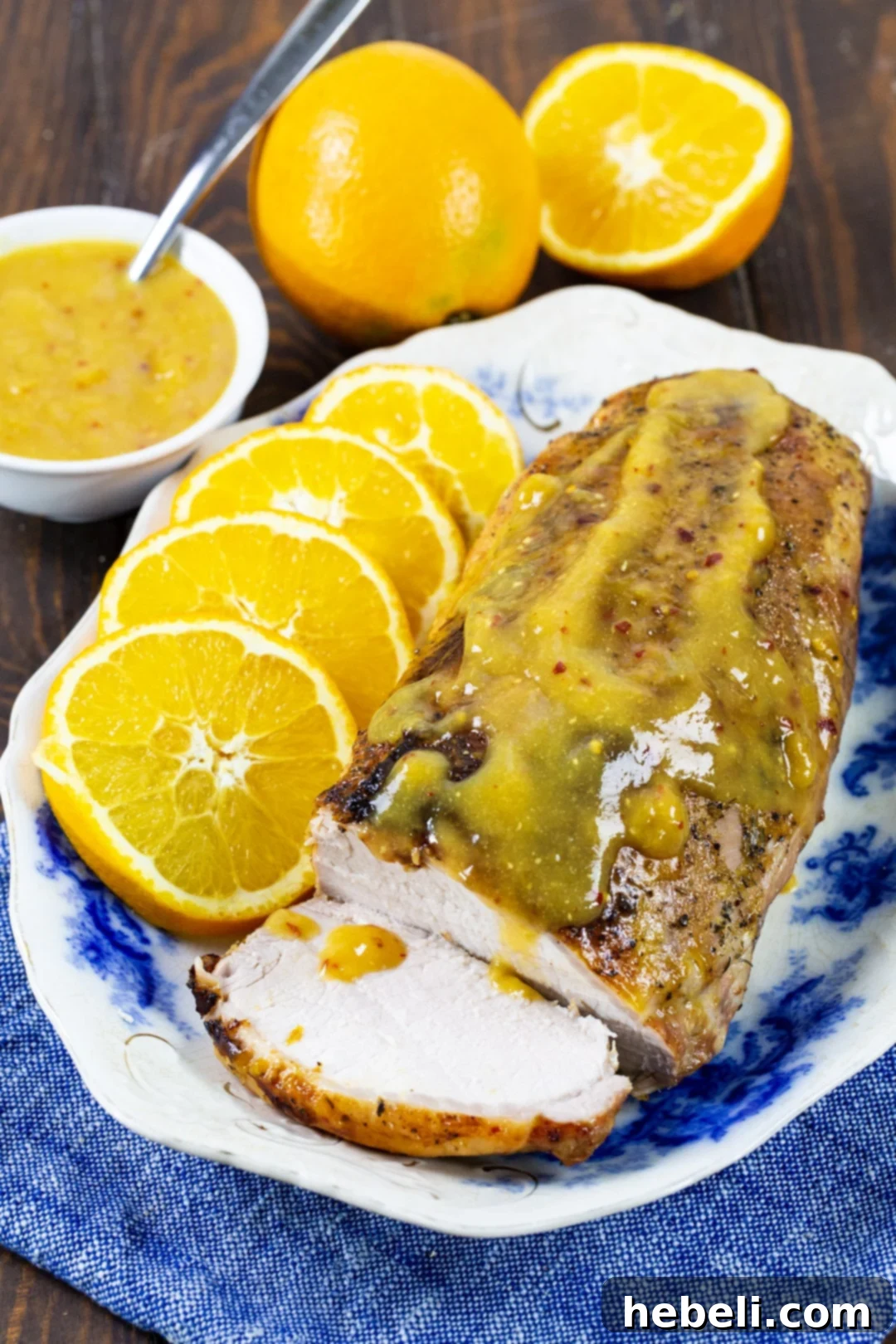
Perfect Pairings: What to Serve with Orange-Glazed Pork Loin
The delightful sweet and savory notes of the Orange-Glazed Pork Loin make it incredibly versatile, opening up a world of delicious side dish possibilities. Choosing the right accompaniments can elevate your meal, creating a harmonious and memorable dining experience. Here are some fantastic options to complement your roast:
- Creamy Buttermilk Mashed Potatoes: A timeless and comforting pairing, mashed potatoes offer a smooth, creamy texture that contrasts beautifully with the richness of the pork. Their mild flavor provides a perfect canvas for absorbing the extra delicious orange glaze, making every bite incredibly satisfying. For an extra touch, consider infusing them with roasted garlic or fresh herbs.
- Zesty Orange-Flavored Rice: To perfectly complement the main dish and reinforce its citrus theme, consider serving a vibrant, orange-flavored rice. Its bright, aromatic notes will harmonize beautifully with the orange glaze, enhancing the overall flavor profile of your meal with a cohesive and delightful citrus burst.
- Savory Parmesan Rice: For another incredibly easy and satisfying grain option, Parmesan rice offers a wonderfully savory and slightly nutty counterpoint to the glazed pork. The salty, umami-rich flavor of Parmesan cheese pairs exceptionally well with the pork, creating a hearty and irresistible combination that is surprisingly simple to prepare.
- Tender Southern-Style Green Beans: A delightful vegetable side that adds freshness and a hint of smoky, savory flavor. These tender-crisp green beans, often slow-cooked with a piece of bacon or ham, provide a comforting and wholesome element that complements the pork without overpowering its delicate flavors.
- Roasted Root Vegetables: Carrots, parsnips, sweet potatoes, or even butternut squash can be roasted alongside the pork in the same oven. They absorb some of the savory pan juices and glaze, becoming incredibly flavorful, tender, and slightly caramelized. Their natural sweetness provides an excellent balance to the pork.
- Steamed Asparagus or Broccoli: For a lighter, healthier, and vibrantly green option, simply steamed asparagus spears or broccoli florets are perfect. Drizzled with a little olive oil, a squeeze of fresh lemon juice, and a sprinkle of salt and pepper, they provide a fresh, crisp element that cuts through the richness of the pork.
- Cranberry Sauce or Chutney: A tart and sweet cranberry sauce or a spicy fruit chutney can offer a delightful contrast of flavors and textures. The acidity and brightness of these condiments can add another layer of complexity, making the meal feel even more festive and well-rounded.
- Fresh Green Salad: A simple mixed green salad, featuring crisp lettuce, cherry tomatoes, and a light vinaigrette dressing, can provide a refreshing element. Its crispness and tangy dressing offer a palate cleanser, balancing the richness of the main course and adding a healthy crunch.
Expert Recipe Tips for a Perfect Orange-Glazed Pork Loin
Even seasoned cooks can benefit from a few extra tips and tricks to ensure their Orange-Glazed Pork Loin turns out absolutely perfect every single time. These small adjustments and thoughtful preparations can make a significant difference in the final taste, texture, and presentation of your roast:
- Bring to Room Temperature: This is a crucial first step for even cooking. Always take your pork loin out of the refrigerator at least 30 minutes, and ideally up to an hour, before you plan to start roasting. Allowing the meat to come closer to room temperature ensures that it cooks more evenly from edge to center, preventing the exterior from overcooking and drying out before the interior reaches the desired doneness.
- Score the Fat Cap (If Present): If your pork loin comes with a noticeable fat cap, gently score it in a crosshatch pattern using a sharp knife before you apply any seasoning. Be careful not to cut into the meat itself, only through the fat. This technique helps the fat render more efficiently during roasting, resulting in a crispier, more delicious crust and allowing the flavors of the seasoning and glaze to penetrate the meat more effectively.
- Utilize a Roasting Rack: For optimal results, place your seasoned pork loin on a sturdy roasting rack set inside your roasting pan. Elevating the meat allows hot air to circulate freely around all surfaces, promoting more even cooking, ensuring a beautifully crispy exterior, and preventing the bottom of the roast from steaming and becoming soggy. It also keeps the pork out of rendered fat.
- Don’t Skimp on the Basting: The orange glaze is what truly defines this dish and creates its signature sticky, flavorful crust. Baste the pork generously and frequently during the last stages of cooking (after the initial 45 minutes) to build up those beautiful layers of caramelized flavor and achieve that irresistible glossy finish. Each layer of glaze intensifies the taste and provides a protective barrier, locking in moisture.
- Resting is Non-Negotiable: As emphasized earlier, allowing the pork to rest for 10 to 15 minutes after it comes out of the oven is absolutely critical. Loosely tent the roast with foil to keep it warm. This period allows the muscle fibers to relax and, most importantly, for the internal juices to redistribute evenly throughout the entire cut of meat. Slicing the pork too early will cause the precious juices to run out onto your cutting board, resulting in a noticeably drier roast.
- Adjusting Glaze Thickness: If, after simmering, your orange glaze appears too thin for your liking, you can easily thicken it further. Mix another 1 teaspoon of cornstarch with 1 tablespoon of cold water to create a new slurry, then whisk it into the simmering glaze and cook for another minute or until it reaches the desired consistency. Conversely, if your glaze becomes too thick, simply whisk in a splash of additional orange juice or water until it thins to your preference.
Storage and Reheating: Making the Most of Leftover Orange-Glazed Pork Loin
One of the delightful advantages of preparing a delicious roast like this Orange-Glazed Pork Loin is enjoying the flavorful leftovers! Properly storing and reheating your pork ensures you can savor its deliciousness for several days to come, minimizing waste and providing quick meal options.
Safe Storage Practices for Cooked Pork
Once your Orange-Glazed Pork Loin has cooled to room temperature (this should typically occur within two hours of cooking), it’s essential to transfer any leftover portions to an airtight container. Promptly place the sealed container in the refrigerator. When stored correctly in this manner, the cooked pork will remain fresh and safe to eat for approximately 3 to 4 days. To maintain food safety, always avoid leaving cooked pork at room temperature for extended periods, as this can encourage bacterial growth.
Recommended Reheating Methods
- Microwave: For quick, individual servings, the microwave is a convenient option. Place desired slices of pork loin on a microwave-safe plate. To prevent drying out, add a tablespoon or two of water, chicken broth, or any remaining orange glaze over the pork. Cover the plate loosely with a microwave-safe lid or plastic wrap and reheat in 30-60 second intervals until thoroughly warmed through. Be cautious not to overcook, as this can quickly dry out the meat.
- Oven: For reheating larger quantities or to maintain the pork’s tenderness and prevent drying, the oven is an excellent choice. Preheat your oven to a moderate 300-325 degrees Fahrenheit (150-160 degrees Celsius). Place the pork slices (or the remaining roast, if it’s a larger piece) in an oven-safe dish with a splash of broth or water and any leftover glaze. Cover the dish tightly with aluminum foil to trap moisture and reheat for 15-25 minutes, or until the pork is warmed through to your satisfaction.
- Stovetop: Thinly sliced pork loin can be gently reheated in a skillet over medium-low heat. Add a small amount of broth or water to the pan, place the pork slices in, and cover the pan to create steam and retain moisture. Heat slowly until the pork is warm. This method works well for preventing the pork from becoming tough.
Creative Ways to Enjoy Leftover Pork Loin
Don’t let those delicious leftovers just sit in the fridge! Beyond simply reheating, consider these creative and flavorful ideas to transform your Orange-Glazed Pork Loin into new meals:
- Pork Sandwiches: Thinly slice the cold pork and layer it on crusty bread or a soft roll. Add a dollop of mayonnaise, a tangy coleslaw, or some pickled onions for an incredible sandwich.
- Pork Tacos or Wraps: Shred or dice the leftover pork and use it as a flavorful filling for soft tacos, burritos, or healthy lettuce wraps. Top with your favorite salsa, avocado, or a sprinkle of fresh cilantro.
- Pork Fried Rice: Chop the pork into small pieces and incorporate it into your favorite homemade fried rice recipe for a quick and satisfying dinner that’s packed with protein and flavor.
- Salad Topping: Dice the cold pork and add it to a fresh green salad for a quick, healthy, and satisfying lunch. It pairs wonderfully with a light vinaigrette or a citrus-based dressing.
- Pork Noodle Bowls: Slice the pork and add it to a warm noodle soup or a cold noodle salad with Asian-inspired dressings and fresh vegetables.
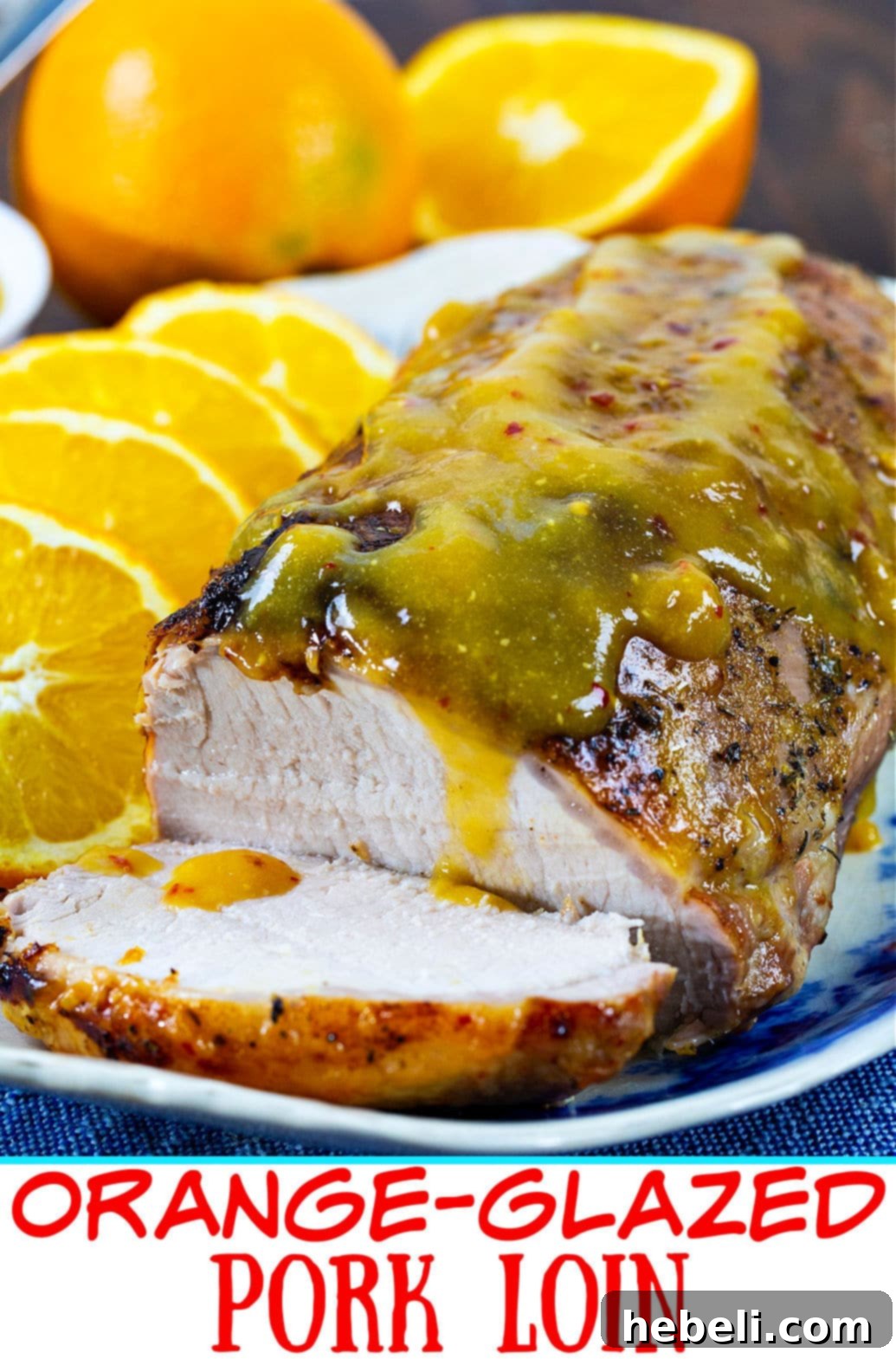
Beyond the Glaze: More Creative Ways to Prepare Pork Loin
The inherent versatility of pork loin makes it an outstanding canvas for a wide array of flavors and cooking methods. While our Orange-Glaze is undeniably delicious and a fantastic way to prepare it, don’t hesitate to explore other exciting preparations to keep your meal rotations fresh and interesting. Here are a few more inspiring ideas, including some excellent recipes to try for variety:
- Bacon Wrapped Maple Glazed Pork Loin: For an extra layer of savory richness and an irresistible smoky crunch, wrapping your pork loin in crispy bacon is a game-changer. Combined with a sweet and sticky maple glaze, this recipe offers a decadent and truly unforgettable flavor profile that’s perfect for special occasions or when you want to truly indulge.
- Slow Cooker Apricot Glazed Pork Loin: If you prefer a hands-off approach and crave incredibly tender, fall-apart meat, the slow cooker is your best friend. An apricot glaze adds a lovely fruity sweetness and tang, making this an ideal choice for busy weeknights when you want minimal effort for maximum flavor.
- Roasted Pork Loin with Rich Mushroom Gravy: For a more traditional, hearty, and comforting meal, a perfectly roasted pork loin served with a rich, earthy, and deeply savory mushroom gravy is wonderfully satisfying. This classic combination is robust in flavor and makes for an impressive yet comforting Sunday dinner.
- Classic Slow Cooker Pork Loin: Sometimes, simplicity reigns supreme. This recipe focuses on achieving maximum tenderness with minimal fuss, resulting in a versatile pork loin that can be easily sliced for a main course, shredded for sandwiches, or served whole, often with its own savory pan juices.
- Herb-Crusted Pork Loin: A simple rub made from a blend of fresh herbs like rosemary, sage, and thyme, combined with minced garlic, olive oil, and a touch of lemon zest, creates a beautifully aromatic and flavorful crust that permeates the meat.
- Stuffed Pork Loin: For an elegant presentation and a burst of flavor in every bite, butterfly the pork loin and stuff it with a delicious mixture. Popular stuffing options include dried fruits (apricots, prunes), toasted nuts (pistachios, walnuts), breadcrumbs, spinach, and a medley of herbs.
- Grilled Pork Loin: For a smoky char and summery flavor, marinate the pork loin in your favorite marinade (perhaps a citrus-herb blend or a BBQ-inspired sauce) and then grill it over medium-high heat, basting frequently to create a delicious exterior while keeping the inside juicy.
Orange Glazed Pork Loin Recipe
10
1 5
6

Ingredients
- 1 teaspoon salt
- 1 teaspoon garlic powder
- 1/2 teaspoon black pepper
- 1/2 teaspoon ground ginger
- 1/4 teaspoon dried thyme or 1 teaspoon dried rosemary
- 1 (3 to 3 1/2-pound) boneless pork loin
Glaze
- 1 cup orange juice
- 1/4 cup packed light brown sugar
- 1 tablespoon Dijon mustard
- 1 teaspoon soy sauce
- 1/2 teaspoon crushed red pepper flakes
- 1/3 cup water
- 1 tablespoon cornstarch
Instructions
-
Preheat your oven to 350 degrees Fahrenheit (175 degrees Celsius). In a small bowl, combine the salt, garlic powder, black pepper, ground ginger, and dried thyme or rosemary. Pat the boneless pork loin thoroughly dry with paper towels to ensure a good crust. Rub the prepared spice mixture generously all over the pork loin. Place the seasoned pork, fat side up, in a sturdy roasting pan.
-
Roast the pork loin in the preheated oven for 45 minutes. While the pork is roasting, begin preparing the orange glaze. In a small saucepan, combine the orange juice, light brown sugar, Dijon mustard, soy sauce, and crushed red pepper flakes. In a separate small bowl, whisk together the water and cornstarch until smooth to create a slurry. Add this cornstarch slurry to the saucepan with the glaze ingredients.
-
Bring the glaze mixture in the saucepan to a gentle simmer over medium heat, whisking constantly. Continue to whisk as it simmers until the glaze thickens to your desired consistency. Once thickened, remove the saucepan from the heat. If the glaze becomes too thick, you can thin it out with a small amount of additional water or orange juice.
-
After the pork has roasted for 45 minutes, carefully remove it from the oven. Generously baste the entire pork loin with the prepared orange glaze. Return the pork to the oven and continue roasting. Keep an eye on the internal temperature; the pork is fully cooked when it reaches an internal temperature of 145 degrees Fahrenheit (63 degrees Celsius). This final roasting and glazing stage typically takes an additional 15 to 30 minutes, depending on the size and initial temperature of your pork loin.
-
Once the pork loin is fully cooked to 145 degrees F, remove it from the oven. Brush it once more with any remaining glaze for an extra burst of flavor and a beautiful shine. Transfer the pork to a cutting board and let it rest for a crucial 10 minutes before slicing. This resting period allows the juices to redistribute, ensuring a tender and moist roast. Serve the sliced Orange-Glazed Pork Loin with any extra glaze on the side.
Nutrition Facts
Calories:
363kcal
Nutrition information provided is an estimate and should be used as a general guide. Values may vary based on specific ingredients and preparation methods.
Did you make this?
Leave a comment below and tag us @spicysouthernkitchen on social media!