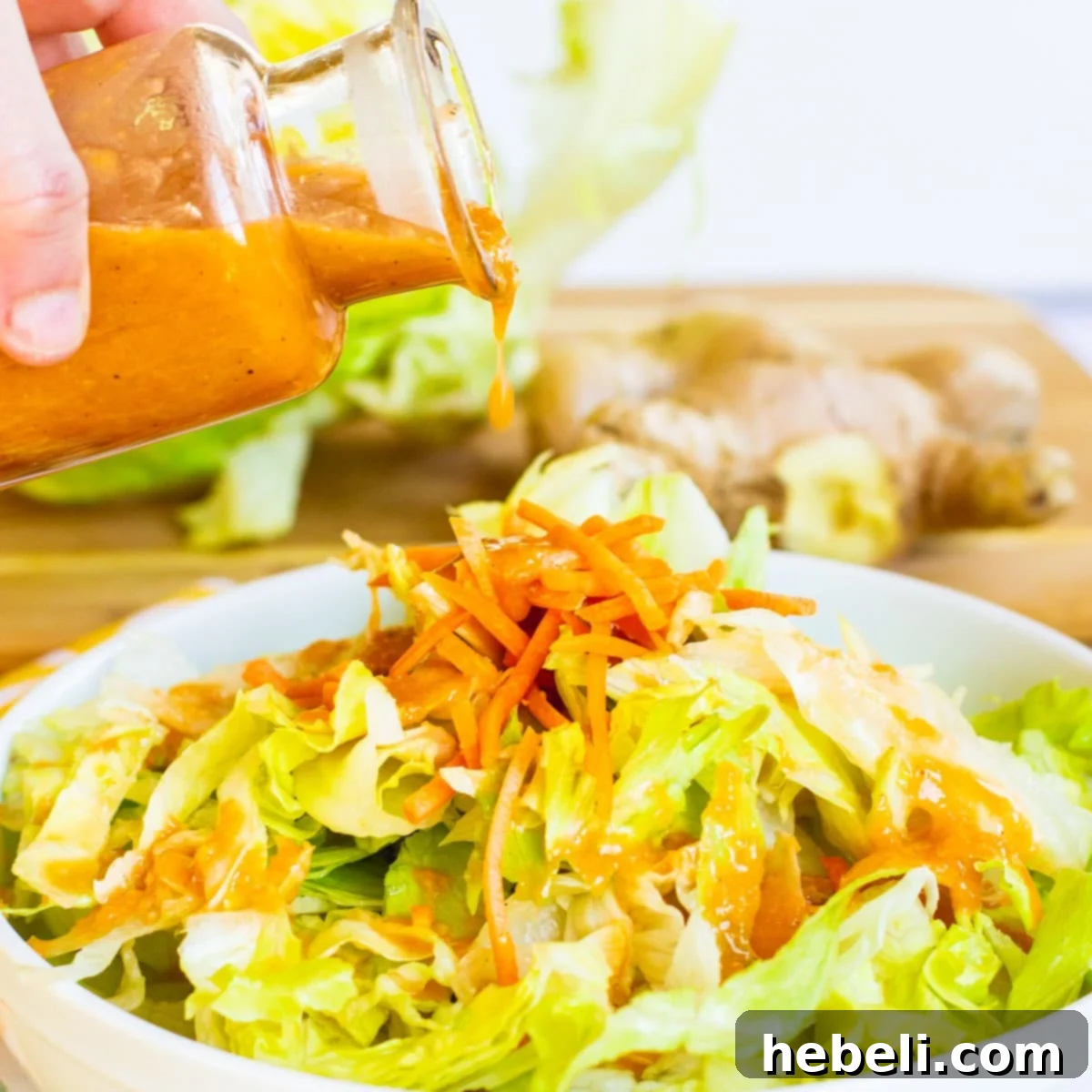
Unlock the Secret to Authentic Japanese Steakhouse Ginger Salad Dressing at Home
There’s something uniquely satisfying about a meal at a Japanese Steakhouse. The sizzling hibachi grill, the mesmerizing knife skills of the chef, and the vibrant atmosphere all contribute to an unforgettable dining experience. Yet, for many, the true star of the show isn’t the perfectly cooked steak or the expertly flipped shrimp, but rather the humble starter salad, drenched in that irresistible ginger dressing. This fresh ginger salad dressing is a copycat of the iconic recipe commonly served at Japanese Steakhouses, particularly reminiscent of Benihana’s famous rendition. Its tangy, subtly sweet, and boldly fresh ginger flavor has a magical way of transforming even a simple iceberg lettuce salad into an extraordinary culinary delight. Get ready to elevate your home dining experience with this sensational dressing that captures all the complex notes you love from your favorite restaurant.
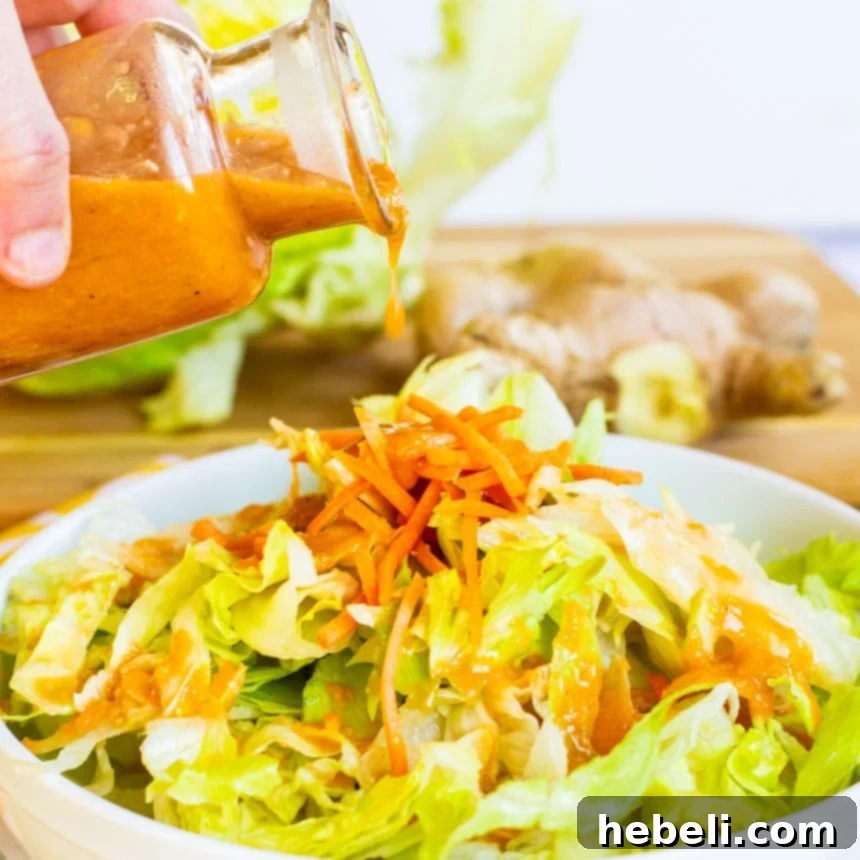
Who doesn’t cherish the experience of a Japanese Steakhouse? It’s a fantastic blend of delicious food and captivating entertainment rolled into one. While I might politely decline the challenge of catching a shrimp in my mouth (why don’t they ever quite grasp that?!), there’s one part of the meal I always eagerly anticipate: the crisp iceberg salad served with that unforgettable ginger salad dressing. It appears to be such a simple salad, yet the dressing boasts a depth of flavor that is surprisingly complex and utterly addictive. And it’s no wonder why; this dressing, often replicated from famous recipes like Todd Wilbur’s Copy Cat of Benihana’s Ginger Salad Dressing, is brimming with a thoughtful selection of awesome ingredients that harmonize beautifully.
Imagine the perfect blend of fresh, aromatic ingredients: pungent onion, crisp celery, a generous dose of freshly grated ginger, a hint of sweet ketchup, and savory soy sauce. These elements come together to form a dressing that has the power to make even humble iceberg lettuce shine brightly. For the best experience, I always recommend ensuring your iceberg lettuce is thoroughly washed, chopped, and then chilled until it’s incredibly cold and crisp, just before serving. To add a delightful contrast in texture and a pop of color, consider tossing in a few vibrant carrot sticks for a truly crisp and visually appealing ginger salad. This isn’t just a dressing; it’s an experience that awakens the palate and turns an ordinary side dish into a memorable highlight.
The Unmistakable Allure of Japanese Steakhouse Ginger Dressing
The moment that first forkful of salad, coated in ginger dressing, touches your tongue, you understand its widespread appeal. It’s an explosion of flavors that dances between tangy and sweet, savory and spicy, all underpinned by the warming, distinctive kick of fresh ginger. This isn’t just any vinaigrette; it’s a carefully balanced concoction designed to complement and elevate, rather than overpower, the freshness of green lettuce. Many restaurants guard their ginger dressing recipes closely, recognizing it as a key part of their signature identity. But with this homemade version, you can capture that magic right in your own kitchen.
This dressing achieves its remarkable profile through a combination of ingredients that might seem unconventional at first glance. The acidity from rice vinegar and lemon juice provides a vibrant tang, while granulated sugar and a touch of ketchup bring a necessary sweetness and hint of umami. The savory depth comes from soy sauce, garlic, and minced onion, which are essential for grounding the brighter flavors. But it is, undoubtedly, the substantial amount of fresh ginger that truly defines this dressing, giving it its characteristic zest and warmth. Each ingredient plays a crucial role, contributing to a symphony of flavors that makes this dressing utterly irresistible and highly sought after.
Why Make Your Japanese Ginger Dressing at Home?
While the convenience of store-bought dressings is undeniable, crafting your own Japanese Steakhouse Ginger Dressing at home offers numerous benefits that elevate the culinary experience. Firstly, **freshness** is paramount. When you prepare it yourself, you control the quality and freshness of every ingredient, especially the ginger, which is the heart and soul of this dressing. Freshly minced ginger provides a far more vibrant and pungent flavor than any dried or pre-packaged alternative.
Secondly, **ingredient control** is a huge advantage. You can avoid unwanted preservatives, artificial flavors, and excessive sodium often found in commercial dressings. This means a cleaner, healthier, and more natural product for your family. Moreover, homemade allows for **customization**. Want it a little tangier? Add more rice vinegar or lemon juice. Prefer it sweeter? Adjust the sugar to your liking. Love an extra ginger kick? Don’t hesitate to add a little more fresh ginger. This flexibility ensures the dressing perfectly suits your personal taste preferences.
Finally, making this dressing at home is surprisingly **cost-effective**. The individual ingredients are generally inexpensive and readily available, and a single batch yields a generous amount, often more than you’d get from a premium store-bought bottle, for a fraction of the price. Plus, there’s the sheer satisfaction of creating something so delicious and authentic from scratch. It’s a simple project that delivers incredibly rewarding results, transforming your everyday salads into a restaurant-quality dish.
Essential Ingredients: The Foundation of Flavor
The secret to this exceptional ginger dressing lies in its carefully selected components. Each ingredient contributes a distinct layer to the overall flavor profile, creating a harmonious and complex taste.
The Zest of Fresh Ginger
Fresh ginger is not just an ingredient; it’s the defining characteristic of this dressing. Its pungent, spicy, and slightly sweet notes are what give the dressing its signature warmth and refreshing kick. Using fresh ginger is crucial; dried or powdered ginger simply cannot replicate the vibrant aroma and intense flavor that fresh ginger provides. When preparing, make sure to mince it finely or grate it for maximum flavor release and a smooth dressing texture. Ginger also brings wonderful health benefits, known for its anti-inflammatory properties and digestive aid, making this dressing both delicious and nourishing.
Aromatic Depth: Onion and Garlic
Onion and garlic form the aromatic backbone of this dressing. Minced onion adds a subtle sweetness and a piquant undertone that balances the tang and spice. Garlic, though used in a smaller amount, contributes a foundational savory depth and warmth, creating a well-rounded flavor profile. These two ingredients are finely minced and blended into the dressing, ensuring their flavors are fully integrated without overwhelming the palate.
The Unconventional Stars: Ketchup and Soy Sauce
Perhaps the most surprising ingredients for some, ketchup and soy sauce are absolute game-changers in achieving that authentic steakhouse flavor. Ketchup brings a unique sweetness, a hint of tomato tang, and a rich umami depth that is crucial for replicating the specific profile of this dressing. It adds a subtle complexity that rounds out the flavors beautifully. Soy sauce, on the other hand, delivers a potent umami punch and essential saltiness, tying all the savory elements together. Together, they create a balanced, irresistible base that is both familiar and exotic.
Balancing the Brightness: Rice Vinegar and Lemon Juice
To counteract the richness and sweetness, rice vinegar and fresh lemon juice provide the necessary acidity and brightness. Rice vinegar is milder and slightly sweeter than other vinegars, making it perfect for a delicate balance. Lemon juice adds a fresh, zesty citrus note that enhances the overall vibrancy of the dressing. These acidic components cut through the richer flavors, leaving a clean and refreshing finish on the palate, making you crave just one more bite.
The Emulsifier: Peanut Oil
Peanut oil is traditionally used for its neutral flavor and smooth texture, which helps to emulsify the dressing and carry the flavors. It contributes to the silky mouthfeel without imparting its own strong taste, allowing the ginger and other aromatics to shine. If peanut allergies are a concern, a good quality neutral oil like grapeseed, canola, or a light olive oil can be substituted, though the classic flavor is best achieved with peanut oil.
The Perfect Canvas: Crisp Iceberg Lettuce with Carrots
While this dressing is versatile, it truly excels when paired with its traditional companion: a simple salad of crisp iceberg lettuce and shredded carrots. The mild flavor and refreshing crunch of iceberg lettuce provide the perfect neutral canvas, allowing the bold flavors of the ginger dressing to take center stage. The carrots add a touch of natural sweetness, a delightful crunch, and a burst of color, enhancing both the taste and visual appeal of the salad. For the best results, ensure your lettuce is icy cold and exceptionally crisp.

Crafting Your Own Restaurant-Quality Ginger Dressing: A Step-by-Step Guide
Making this incredible Japanese Steakhouse Ginger Dressing at home is remarkably simple and requires minimal effort, mostly thanks to the power of your blender. This recipe transforms humble ingredients into a vibrant, flavorful concoction that will impress everyone at your table.
Here’s how to whip up this amazing dressing:
The beauty of this dressing lies in its straightforward preparation. All you need is a reliable blender and fresh ingredients. There’s no complex cooking or intricate techniques involved, making it perfect for even novice home cooks. Just follow these simple steps, and you’ll have a batch of exquisite ginger dressing ready in minutes.
Ginger Salad Dressing
By Christin Mahrlig
Total: 10 mins
Servings: 6

This fresh Ginger Salad Dressing is a replica of the dressing served at Japanese Steakhouses. It’s tangy and a little bit sweet and tastes great served over a simple salad of iceberg lettuce.
Equipment
- Blender
Ingredients
- 1/2 cup minced onion
- 1/2 cup peanut oil
- 1/3 cup rice vinegar
- 2 tablespoons water
- 2 tablespoons minced fresh ginger
- 2 tablespoons minced celery
- 2 tablespoons ketchup
- 4 teaspoons soy sauce
- 2 1/2 teaspoons granulated sugar
- 2 teaspoons lemon juice
- 1/2 teaspoon minced garlic
- 1/2 teaspoon salt
- 1/4 teaspoon black pepper
Instructions
- Place all ingredients in a blender. Blend until smooth, about 45 seconds.
- Refrigerate until ready to use.
Notes
Yield: 1 3/4 cups
Nutrition (per serving)
Calories: 181kcal | Carbohydrates: 5g | Protein: 1g | Fat: 18g | Saturated Fat: 3g | Polyunsaturated Fat: 6g | Monounsaturated Fat: 8g | Sodium: 464mg | Potassium: 45mg | Fiber: 0.3g | Sugar: 3g | Vitamin A: 26IU | Vitamin C: 2mg | Calcium: 6mg | Iron: 0.2mg
Nutrition information is automatically calculated and should only be used as an approximation.
Expert Tips for the Perfect Homemade Ginger Dressing
While the recipe itself is straightforward, a few tips can help you achieve the best possible results and ensure your homemade ginger dressing is always a hit.
Storage and Longevity
This dressing is best enjoyed fresh, but it also stores beautifully. Once prepared, transfer it to an airtight container, such as a glass jar with a tight-fitting lid. This dressing will keep wonderfully in the refrigerator for about 10 days. The flavors tend to meld and deepen over time, making it even more delicious a day or two after preparation. Always give it a good shake or stir before serving, as some separation of ingredients is natural.
Enhancing the Flavor Profile
For an extra layer of authentic Asian flavor, consider adding 1/2 teaspoon of toasted sesame oil to the dressing before blending. Sesame oil provides a distinct nutty aroma that complements the ginger beautifully, adding another dimension to the dressing’s complexity. You can also experiment with a pinch of red pepper flakes if you enjoy a touch of heat, or a tiny dash of mirin (sweet rice wine) for added depth and sweetness. Remember, the beauty of homemade is being able to adjust flavors to your personal preference!
Ingredient Variations and Substitutions
While the recipe provides a classic combination, you can adapt it to your pantry or dietary needs. If you don’t have peanut oil, any neutral-flavored oil like canola, grapeseed, or even a light olive oil will work. For those avoiding sugar, a natural sweetener like maple syrup or honey can be used, adjusting the quantity to taste. If you need a gluten-free option, be sure to use tamari instead of regular soy sauce. Don’t have fresh celery? You can omit it or use a tiny bit of celery salt (use sparingly) for a similar aromatic hint. The key is to maintain the balance of sweet, salty, tangy, and spicy that defines this dressing.
Beyond the Salad: Versatile Uses for Your Ginger Dressing
While this Japanese Ginger Dressing is a superstar on a simple iceberg salad, its vibrant flavor profile makes it incredibly versatile for a multitude of culinary applications. Don’t limit its use to just greens; think outside the salad bowl!
Marinade Magic
The tangy and savory notes of this dressing make it an excellent marinade for various proteins. Try marinating chicken breasts, pork tenderloin, or firm fish fillets (like cod or salmon) for at least 30 minutes, or up to a few hours, before grilling, baking, or pan-frying. The ginger and other aromatics will tenderize the meat and infuse it with an irresistible Asian-inspired flavor.
A Zesty Dipping Sauce
Serve this dressing as a refreshing dipping sauce for a variety of appetizers. It pairs wonderfully with spring rolls, potstickers, fresh cucumber slices, or even grilled shrimp skewers. Its bright flavors cut through richness and add a delightful zest to any bite.
Stir-Fry Sauce and Noodle Dressing
Thin the dressing slightly with a tablespoon or two of water or vegetable broth, and use it as a light, flavorful sauce for a quick stir-fry. Toss it with cooked noodles and your favorite vegetables for a cold noodle salad, or use it to dress a warm bowl of soba or ramen noodles for an instant flavor boost. Its complexity means you don’t need many other ingredients to create a delicious meal.
Elevate Other Sides
Beyond traditional salads, this dressing can breathe new life into other side dishes. Drizzle it over steamed or roasted vegetables like broccoli, green beans, or asparagus for an instant upgrade. It can also be tossed with coleslaw mix for a unique twist on classic coleslaw, offering a lighter, tangier alternative to creamy dressings.
Frequently Asked Questions About Japanese Ginger Dressing
Here are answers to some common questions about making and enjoying this delicious ginger dressing.
How long does homemade ginger dressing last in the refrigerator?
When stored in an airtight container, homemade ginger dressing typically lasts for up to 10 days in the refrigerator. Over time, the flavors may deepen, but it’s best to consume it within this period for optimal freshness and taste. Always give it a good shake before each use.
Can I use ground ginger instead of fresh ginger?
While technically possible, using ground ginger is strongly discouraged for this recipe. Fresh ginger is absolutely essential for achieving the vibrant, pungent, and refreshing flavor that defines Japanese Steakhouse Ginger Dressing. Ground ginger has a different, more concentrated and less bright flavor profile that will significantly alter the authenticity and quality of the dressing. Always opt for fresh ginger for the best results.
Is this dressing gluten-free?
The gluten-free status of this dressing depends on the soy sauce you use. Traditional soy sauce contains wheat, making it not gluten-free. However, you can easily make this dressing gluten-free by substituting regular soy sauce with tamari, which is a gluten-free alternative that offers a similar savory flavor. Always check the labels of all your ingredients to ensure they are certified gluten-free if you have dietary restrictions.
How can I adjust the spiciness, sweetness, or tanginess?
Adjusting the flavor profile is one of the joys of homemade dressings! For more spiciness, increase the amount of fresh ginger or add a tiny pinch of red pepper flakes. To make it sweeter, add a bit more granulated sugar (or your preferred sweetener) a teaspoon at a time, tasting as you go. For extra tanginess, a splash more rice vinegar or lemon juice will do the trick. Blend and taste after each adjustment until it perfectly suits your palate.
Explore More Delicious Homemade Salad Dressing Recipes
If you’ve enjoyed mastering this Japanese Ginger Dressing, why not expand your repertoire with other homemade favorites? Crafting your own dressings is a simple way to bring fresh, vibrant flavors to every meal.
- Creamy Parmesan Dressing: Indulge in a rich, garlicky dressing perfect for Caesar salads or as a dip.
- Hot Bacon Dressing: A warm, savory dressing with crispy bacon bits, ideal for wilted greens or hearty vegetable salads.
- Creamy Italian Dressing: A versatile classic, bursting with herbs and garlic, fantastic for any green salad or as a marinade.
- Maple Mustard Dressing: A delightful balance of sweet and tangy, this dressing adds a unique twist to chicken salads or fruit and nut blends.
- Buttermilk Garlic Dressing: A tangy and robust dressing, perfect for those who love bold garlic flavors in a creamy base.
- Creamy Balsamic Dressing: A smooth, rich dressing with the distinctive sweetness of balsamic vinegar, excellent for Caprese or mixed green salads.
Never miss a recipe! Follow Spicy Southern Kitchen on Pinterest and Instagram.
This article was originally published on March 18, 2014, and has been adapted slightly from Top Secret Restaurant Recipes 3: The Secret Formulas for Duplicating Your Favorite Restaurant Dishes at Home. Some links may be affiliate links, meaning we may earn a small commission at no extra cost to you if you make a purchase.
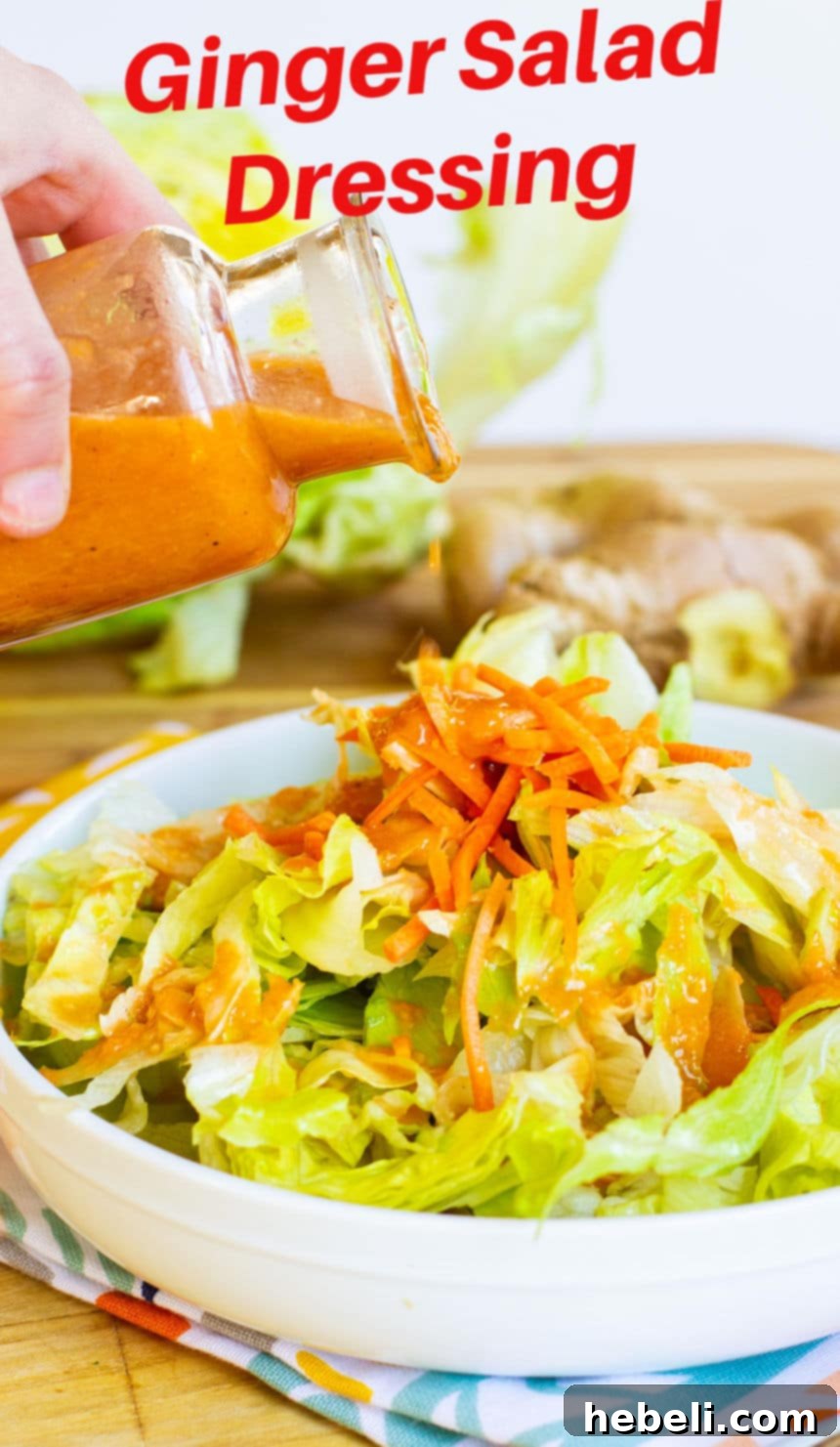
We hope you enjoy this fantastic homemade Japanese Steakhouse Ginger Dressing. It’s truly a game-changer for salads and beyond!