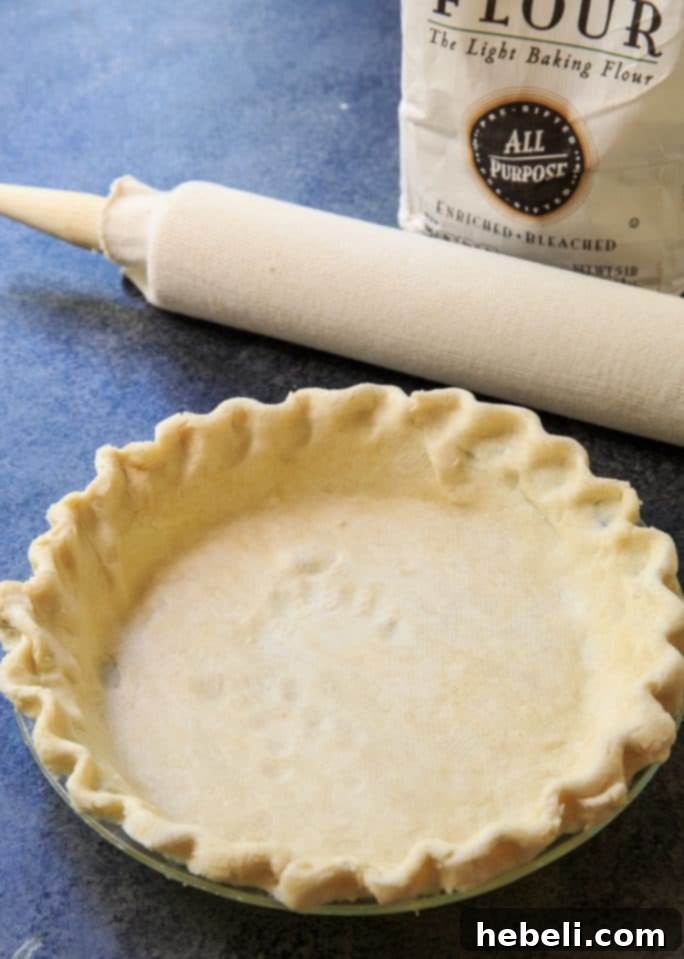
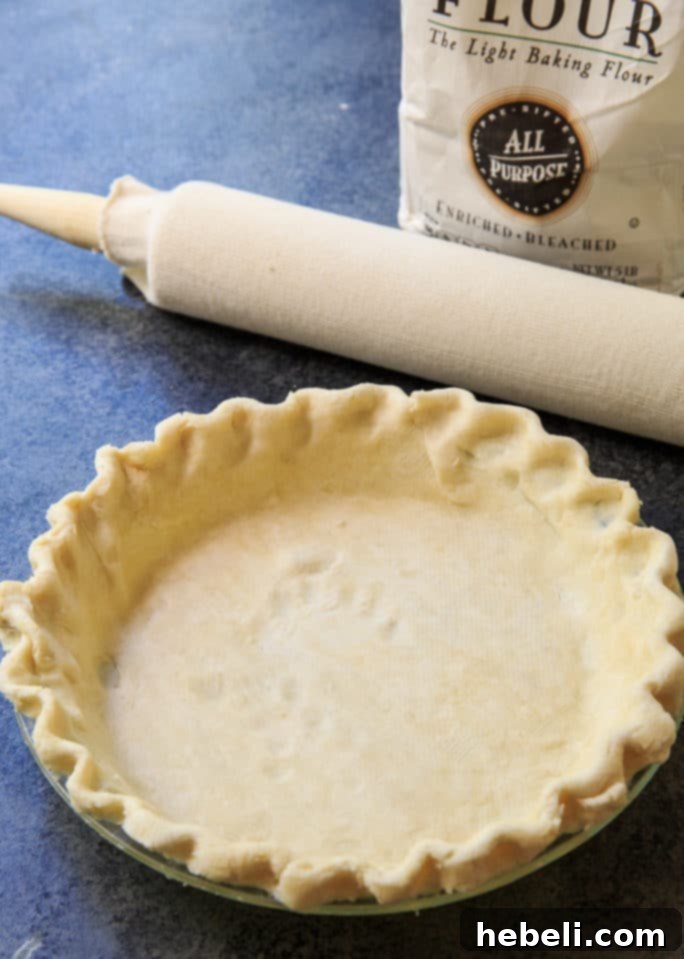
The Ultimate Guide to Making a Perfect Flaky Pie Crust at Home
There’s nothing quite like the satisfaction of serving a pie with a homemade crust – golden, tender, and irresistibly flaky. This guide will walk you through creating a truly exceptional flaky pie crust, perfect for every occasion, from festive holiday desserts to savory weeknight pot pies. Forget intimidation; this recipe simplifies the process, ensuring a melt-in-your-mouth experience every time.
Why a Homemade Flaky Pie Crust Makes All the Difference
While store-bought pie crusts offer convenience, they simply can’t compare to the superior texture and flavor of a homemade version. A truly flaky crust shatters beautifully with each bite, creating layers of buttery (or shortening-rich) goodness that elevate any pie filling. This recipe is designed to deliver that quintessential flakiness, making your pies unforgettable. Whether you’re baking a classic apple pie, a rich pumpkin pie, or a hearty chicken pot pie, a stellar crust is the foundation of a great pie.
The Secret to a Consistently Flaky Pie Crust
Achieving that coveted flaky texture isn’t a mystery; it’s a science. The key lies in the fat you use and how you incorporate it. This recipe champions chilled shortening for its ability to create distinct layers of tenderness. Unlike butter, which has a lower melting point and more water content, shortening contains 100% fat and remains solid at a wider temperature range, allowing it to create larger pockets of steam during baking. This steam then separates the dough into those delicate, airy layers we all adore. Keeping all your ingredients, especially the shortening and water, as cold as possible is crucial to prevent the fat from fully incorporating into the flour, preserving those essential pockets for flakiness.
Meet the Expert: Linda Carmen’s Wisdom for Perfect Pie Crust
This incredibly easy and reliable pie crust recipe comes directly from Linda Carmen, a true authority in Southern baking. As the director of the Martha White/White Lily test kitchen in Nashville, Tennessee, Linda possesses a wealth of knowledge that she generously shares. Her methods are designed to demystify pie crust making, turning what many consider a daunting task into an enjoyable and successful baking endeavor. With her guidance, you’ll master the art of a perfect single pie crust with just a few simple ingredients and an easy-to-follow technique.
Essential Ingredients for Success
Our journey to the perfect flaky pie crust begins with a handful of high-quality ingredients. This recipe, designed for a single 9-inch pie crust, requires just three core ingredients, plus ice water:
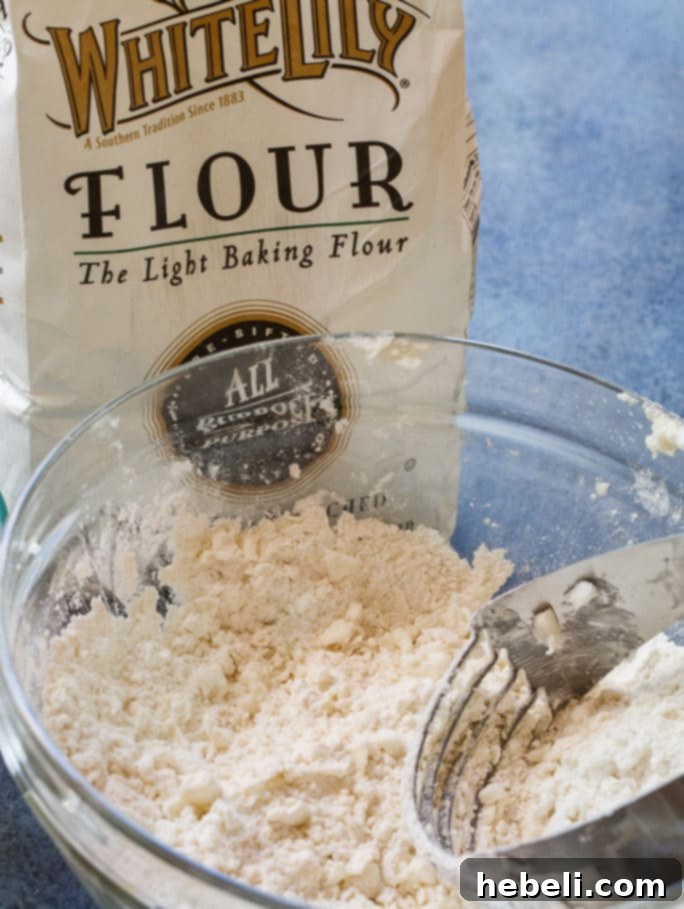
- White Lily All-Purpose Flour: This is not just any flour! White Lily is a soft wheat flour, renowned in the South for creating exceptionally tender and light baked goods, from biscuits to pastries. Its fine texture contributes significantly to the delicate crumb of this pie crust.
- Salt: A crucial flavor enhancer, salt balances the richness of the shortening and brings out the best in your pie filling.
- Chilled Crisco Shortening: As discussed, shortening is the star for flakiness. Chilling it in the freezer ensures it stays solid longer, creating those desired layers. If you prefer a buttery flavor, butter-flavored Crisco is an excellent substitute that still delivers on flakiness.
- Ice-Cold Water: Keeping the water ice-cold prevents the shortening from melting and helps the dough come together without overworking the gluten, which can lead to a tough crust.
Precise Flour Measurement: A Game-Changer
One of Linda’s most critical tips, often overlooked, is the proper way to measure flour. Flour, especially finely milled types like White Lily, can become very compact in its bag. Simply scooping it directly can lead to using too much flour, resulting in a dry, crumbly, or tough crust.
- Start by spooning a generous amount of flour into a medium bowl.
- Whisk the flour gently to aerate it and remove any lumps. This step ensures a lighter, more consistent measure.
- Using a large spoon, lightly spoon the aerated flour into your measuring cup.
- Finally, use the flat side of a knife or a straight edge to level off the flour, ensuring it is perfectly flush with the top of the measuring cup. This method guarantees you use precisely 1 1/2 cups of flour, no more, no less, for optimal dough consistency.
Step-by-Step Guide: Crafting Your Flaky Pie Crust
Once your flour is perfectly measured, the rest of the process is straightforward, especially with Linda’s brilliant techniques.
Mixing the Dry Ingredients and Shortening
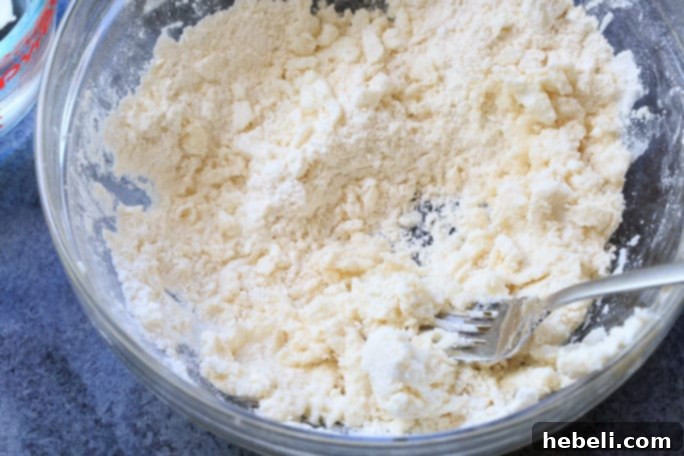
Transfer your accurately measured flour to a large mixing bowl. Add the salt and stir to combine. Next, take your chilled Crisco shortening (which you’ve ideally kept in the freezer for at least 30 minutes) and cut it into smaller pieces. Add these pieces to the flour mixture. Using a pastry cutter, work the shortening into the flour until the mixture resembles coarse crumbs. It’s important to remember that you still want to see visible, pea-sized pieces of shortening throughout the mixture. These small bits are what will create the flaky layers; overworking the dough at this stage will incorporate the fat too much, leading to a less flaky result.
Linda’s Ingenious Water Addition Method
This technique, taught by Linda, is a revelation for achieving evenly hydrated dough, preventing the common issue of a wet top and dry bottom. Instead of sprinkling all the water at once, you add it incrementally and strategically:
Start by sprinkling 1 tablespoon of ice-cold water over a small section of the flour-shortening mixture on one side of the bowl. Use a fork to gently mix the water into just that section until it starts to come together. Then, move to an adjacent section and repeat the process, adding another tablespoon of water and mixing it in. Continue this gradual process, working your way across the bowl, one tablespoon and one small section at a time. This method ensures that the water is evenly distributed throughout the dough, preventing any parts from becoming oversaturated or remaining too dry. You’ve added enough water when the mixture just holds together when pressed into a ball.
Shaping and Chilling the Dough
Once your dough has come together, gently form it into a disc. Another invaluable tip from Linda is to ensure the edges of this disc are smooth and even before wrapping it. Any rough or uneven edges at this stage can lead to cracks when you roll out the dough later, making it harder to work with. Wrap the smooth dough disc tightly in plastic wrap and refrigerate it for at least an hour, or even up to two days. Chilling the dough allows the gluten to relax and the fat to firm up, making the dough much easier to roll out and contributing to its flakiness.
Rolling Out Your Flaky Pie Crust with Ease
When you’re ready to bake, remove your chilled dough from the refrigerator. Let it sit at room temperature for about 10-15 minutes if it’s too firm to roll immediately, but don’t let it get warm.
The Magic of a Pastry Cloth
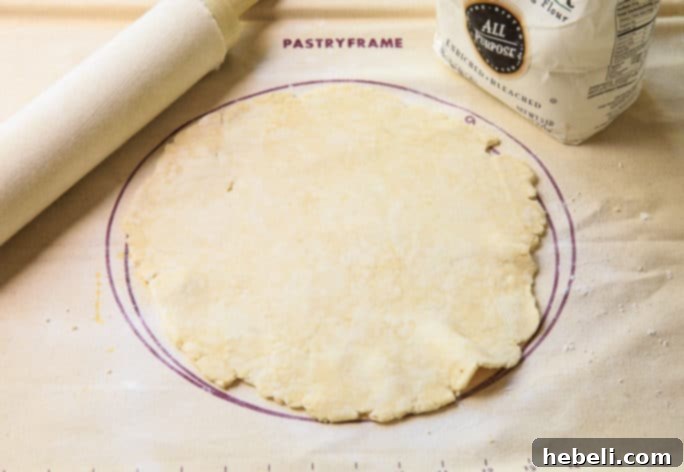
Linda highly recommends using a pastry cloth for rolling out pie dough, and for good reason. A pastry cloth, lightly floured and rubbed in, offers an almost non-stick surface. The flour tends to adhere to the cloth, rather than sticking excessively to your dough, which means your crust won’t absorb too much extra flour and become tough. Many pastry cloths also come with helpful pie measurements printed directly on them, taking the guesswork out of rolling your dough to the perfect 12-inch diameter for a 9-inch pie plate.
Rolling and Fitting Your Crust
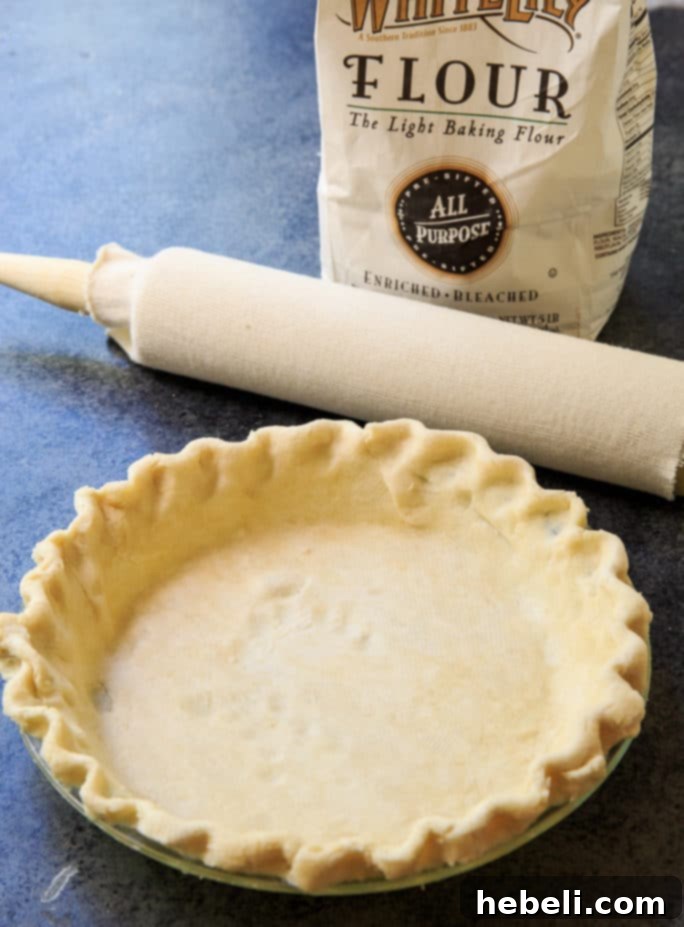
Place your dough disc on the lightly floured pastry cloth or a lightly floured surface. Begin rolling from the center outwards, turning the dough 45 degrees between each roll. This ensures an even thickness and a perfectly round shape. Once the dough reaches about 12 inches in diameter, carefully transfer it to a 9-inch pie plate. Gently fit the dough into the plate, ensuring it presses against the bottom and sides without stretching it. Trim any excess dough to about 3/4-inch from the rim, then fold this excess under to create a thicker edge. Use your fingers to flute the edge, creating a decorative and functional border.
For best results and to prevent shrinking, refrigerate the formed pie crust in its plate for at least another 30 minutes before filling and baking. This final chill helps the crust hold its shape and ensures maximum flakiness.
Expert Tips for Pie Crust Perfection
- Keep everything cold: Cold ingredients (especially shortening and water) are paramount for a flaky crust. You can even chill your mixing bowl and pastry cutter.
- Don’t overwork the dough: Overmixing develops gluten, leading to a tough crust. Mix just until the dough comes together.
- Visible fat pieces are good: Those small pieces of shortening are crucial for creating steam pockets and flakiness.
- Chill, chill, chill: Chilling the dough at various stages helps the fat firm up, prevents shrinking, and makes it easier to handle.
- Use the right flour: White Lily flour’s low protein content is ideal for tender pastries.
Troubleshooting Common Pie Crust Issues
- Tough Crust: Often a result of too much flour, too much water, or overworking the dough. Follow precise measurements and avoid excessive kneading.
- Shrinking Crust: Usually caused by insufficient chilling time. Make sure to chill the dough thoroughly after mixing and again after placing it in the pie plate.
- Cracking Edges: This can happen if the dough wasn’t smoothed properly into a disc before chilling, or if it’s too cold when you start rolling. Let it warm slightly if it’s too stiff.
- Soggy Bottom: Prevent this by blind baking your crust for wet fillings, or chilling the raw crust thoroughly before adding filling and baking.
Make-Ahead and Storage Tips
This flaky pie crust recipe is excellent for make-ahead convenience. You can prepare the dough a day or two in advance and store the wrapped disc in the refrigerator. For longer storage, the dough can be frozen for up to 3 months. Thaw it in the refrigerator overnight before rolling. You can also prepare and flute the crust in the pie plate, then freeze it. When ready to bake, you can often bake directly from frozen, adding a few minutes to the baking time.
Versatile Usage: Sweet or Savory
The beauty of this flaky pie crust is its versatility. It provides a perfect base for a myriad of fillings:
- Sweet Pies: Apple, cherry, peach, pecan, chocolate, lemon meringue, pumpkin, sweet potato.
- Savory Pies: Chicken pot pie, beef pot pie, quiche, tomato pie, shepherd’s pie (with a crust top).
Its neutral yet rich flavor profile complements both sweet and savory ingredients beautifully, making it your go-to recipe for any pie craving.
Watch a short How To Video for this recipe below
Flaky Pie Crust Recipe
This recipe yields one 9-inch pie crust, serving 1 pie.
Ingredients
- 1 1/2 cups White Lily® All-Purpose Flour
- 1/2 teaspoon salt
- 1/2 cup Crisco® All-Vegetable shortening, chilled
- 4 to 8 tablespoons ice-cold water
Instructions
- Measure Flour Properly: Place some flour (enough to be sure you have at least 1 1/2 cups) into a medium bowl. Whisk it thoroughly to remove any clumps and aerate it.
- Spoon and Level: Lightly spoon the aerated flour into measuring cups. Use the back of a knife to scrape off excess flour, ensuring it is perfectly level with the top of the measuring cups.
- Combine Dry Ingredients: Place the measured flour in a large bowl and mix in the salt.
- Incorporate Shortening: Cut the chilled shortening into small pieces and add them to the flour mixture. Use a pastry cutter to cut the shortening into the flour until the mixture resembles coarse crumbs. You should still be able to see visible, pea-sized pieces of shortening; avoid overworking.
- Add Water Incrementally (Linda’s Method): Sprinkle 1 tablespoon of ice-cold water over a small section of the flour mixture on one side of the bowl. Use a fork to mix it into that specific section only. Continue this process, adding 1 tablespoon of water at a time to different sections of the bowl and mixing with a fork, gradually working your way across. This ensures even hydration.
- Check Consistency: You’ve added enough water once the dough can be gently pressed together and holds its shape in a ball.
- Form and Smooth Disc: Form the dough into a disc, making sure to smooth out the edges carefully. Uneven edges at this point will likely lead to cracks when rolling.
- Chill Dough: Wrap the disc tightly in plastic wrap and refrigerate for at least 30 minutes, or ideally overnight, to allow the gluten to relax and the fat to firm.
- Prepare for Rolling: Remove dough from the refrigerator. If using, prepare a pastry cloth by rubbing a little flour into it. Otherwise, lightly flour your work surface.
- Roll Out Dough: Place the dough disc on the prepared surface. Roll the dough from the center outwards, turning it 45 degrees between each roll, until it reaches about 12 inches in diameter.
- Transfer to Pie Plate: Carefully transfer the rolled dough to a 9-inch pie plate. Gently fit the dough into the plate without stretching. Trim the dough to within 3/4-inch of the rim.
- Flute Edges: Fold the excess dough under to build up the edge. Use your fingers to flute the edge decoratively.
- Final Chill: Cover the pie crust in the plate and refrigerate for at least another 30 minutes before filling and baking. This prevents shrinking and ensures a flaky texture.
Nutrition information is automatically calculated, so should only be used as an approximation.
Conclusion: Your Flaky Pie Crust Journey Begins
With this comprehensive guide and Linda Carmen’s expert tips, you now have all the tools and knowledge to create a homemade flaky pie crust that will impress everyone. Say goodbye to tough, bland crusts and hello to tender, melt-in-your-mouth perfection. This recipe is more than just ingredients and steps; it’s a foundation for countless delicious memories and a testament to the simple joy of baking from scratch. Happy baking!
Disclosure: This is a sponsored post. I appreciate the opportunity to share products I love and use in my own kitchen.