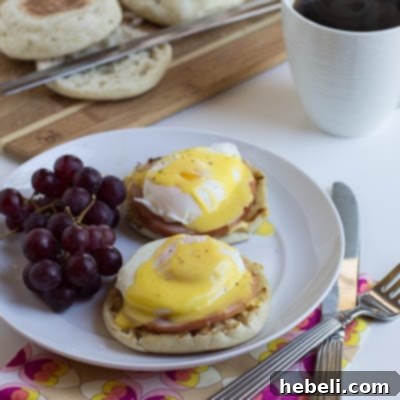
Imagine a breakfast so elegant, so rich, and so satisfying that it transforms any morning into a special occasion. We’re talking about Eggs Benedict – a culinary classic that, despite its sophisticated reputation, is surprisingly achievable in your own kitchen. This comprehensive guide will walk you through creating restaurant-quality Eggs Benedict, promising a delightful and memorable start to your day. Whether you’re a seasoned chef or a novice home cook, mastering this iconic brunch dish is within your reach, offering a rewarding experience for both the cook and those lucky enough to savor it.
The joy of cooking, especially when it involves mastering a seemingly complex dish, is incredibly rewarding. My own daughter, at just thirteen, recently embarked on her culinary adventure to conquer Eggs Benedict. Initially, I had my doubts; it’s a dish known for its precise techniques and multiple components, often seen as a staple of professional kitchens. But her sheer determination and “can-do” spirit were infectious. She dove into the challenge, utilizing online resources, including a fantastic instructional video, and, to my utter delight, absolutely nailed it. Her flawless Eggs Benedict proved that with a bit of patience and the right guidance, anyone can craft this exquisite dish. It was a truly delicious breakfast, reaffirming why Eggs Benedict remains one of my all-time favorite meals – rich, creamy, and packed with protein, it’s comfort food elevated to an art form. When someone else makes it for you, it tastes even better!
For those looking for guidance, my daughter found this video to be an invaluable resource. Its clear instructions enabled her to create a perfect rendition of Eggs Benedict, demonstrating that with the right visual aids, even complex recipes can be demystified.
What Makes Eggs Benedict So Special?
At its heart, Eggs Benedict is a harmonious symphony of textures and flavors. Each element plays a crucial role, contributing to the dish’s iconic appeal: the perfectly poached egg with its luscious, runny yolk; the rich, tangy, and impossibly smooth Hollandaise sauce; the savory Canadian bacon; and the toasted, crusty English muffin. Getting each component just right is the secret to a truly outstanding Eggs Benedict experience, elevating it from a simple breakfast to a gourmet brunch centerpiece. This delightful combination has earned its place as a cherished classic, offering a unique blend of indulgence and comfort.
The Art of the Poached Egg
A perfectly poached egg is undoubtedly the crown jewel of Eggs Benedict. It requires a delicate touch to achieve that ethereal texture: a firm, yet tender white encasing a molten, golden yolk. The success of a poached egg hinges on several factors, including the freshness of the eggs, the precise water temperature, and often, a touch of vinegar in the poaching water. These elements work in concert to prevent the whites from spreading and ensure a beautifully compact, oval shape. The reward is a velvety texture that bursts with flavor, mingling beautifully with the other ingredients, creating that signature rich and satisfying bite.
The Golden Embrace of Hollandaise
Perhaps the most daunting, yet equally rewarding, element of Eggs Benedict is the Hollandaise sauce. This classic French emulsion is a testament to culinary alchemy, transforming simple egg yolks, melted butter, and lemon juice into a luxurious, creamy, and irresistibly tangy sauce. Its bright, zesty notes expertly cut through the richness of the eggs and bacon, providing that signature tang that defines Eggs Benedict and elevates its flavor profile. While Hollandaise might seem intimidating due to its reputation for being temperamental, mastering this velvety sauce is entirely within reach with a gentle hand, consistent whisking, and careful temperature control. It’s the element that truly binds the dish together, making it an unforgettable culinary experience.
The Foundation: English Muffin & Canadian Bacon
Beneath the glorious egg and rich Hollandaise sauce lies the sturdy and flavorful foundation: a perfectly toasted English muffin. Its distinctive nooks and crannies are ideal for soaking up the flowing yolk and copious amounts of the creamy Hollandaise, ensuring every bite is infused with flavor. Paired with slices of savory Canadian bacon, which adds a delightful saltiness and a satisfying chew, these foundational components provide the necessary balance, texture, and structure to the dish. Together, they create a bite that is simultaneously soft, crisp, and wonderfully satisfying, completing the quintessential Eggs Benedict experience.
Mastering the Components: A Deeper Dive
To truly elevate your homemade Eggs Benedict to restaurant quality, a deeper understanding of each technique is invaluable.
Achieving Perfect Poached Eggs
For truly flawless poached eggs, the journey begins with selecting the freshest eggs you can find. Fresh eggs boast tighter whites, which are significantly less likely to spread in the water, resulting in a neater, more appealing shape. Fill a wide, shallow skillet with approximately 2 to 3 inches of water, ensuring there’s enough depth for the eggs to cook evenly. Add a teaspoon of distilled white vinegar to the water; this seemingly small addition is crucial as it helps the egg whites coagulate more quickly, further preventing them from feathering. Bring the water to a gentle simmer – never a rolling boil, as vigorous bubbling can break the delicate eggs. Crack each egg into a separate small bowl or ramekin before gently sliding it into the simmering water. This method ensures a controlled entry, maintaining the egg’s integrity. Cook for approximately 3 minutes for a perfectly runny yolk, or slightly longer if you prefer a firmer consistency. Use a slotted spoon to carefully remove the eggs, gently draining any excess water on a paper towel-lined plate. If preparing multiple servings, you can keep earlier poached eggs warm by placing them in a bowl of lukewarm water or briefly dipping them back into the simmering water just before assembly.
Crafting Velvety Hollandaise Sauce
The secret to a stable, smooth, and incredibly luscious Hollandaise sauce lies in patience, continuous whisking, and meticulous temperature management. You’ll need a double boiler setup for this: a heatproof bowl (preferably stainless steel or glass) set snugly over a saucepan of simmering water, ensuring the bottom of the bowl does not touch the water. In the heatproof bowl, vigorously whisk together egg yolks and fresh lemon juice until the mixture becomes pale and slightly thickened – this should take about 1-2 minutes. Gradually, in a slow, steady stream, drizzle in the melted unsalted butter, whisking continuously and energetically. The constant whisking is vital as it emulsifies the butter into the egg yolks, creating that signature rich, creamy texture. Maintain the heat at a low and steady level; too much direct heat will cause the egg yolks to scramble, ruining the sauce. If the sauce begins to become too thick, a teaspoon of hot water or a tiny bit more lemon juice can be whisked in gradually to help thin it back to the desired consistency. Finally, season your exquisite Hollandaise with a pinch of cayenne pepper for a subtle kick and salt to taste, ensuring that perfect balance of flavors. This classic sauce, once mastered, will become a staple in your culinary repertoire.
How To Serve Your Culinary Masterpiece
Once assembled, Eggs Benedict is a feast for both the eyes and the palate. While traditionally served on its own as a show-stopping breakfast or brunch dish, it pairs wonderfully with a variety of accompaniments that can enhance the overall dining experience. For a refreshing contrast to the richness of the dish, consider a light, fresh fruit salad featuring seasonal berries, melon, and citrus. Alternatively, crispy breakfast potatoes or golden hash browns provide a satisfying crunch and additional savory element that complements the creamy textures. For a unique and surprisingly complementary touch, a simple garden salad with a light vinaigrette can cut through the richness and add a fresh, vibrant element. Don’t forget a hot cup of coffee or a mimosa to complete the perfect brunch spread!
Creative Variations: Beyond the Classic
The beauty of Eggs Benedict lies not only in its classic perfection but also in its incredible adaptability. While the traditional preparation is unparalleled, numerous variations allow you to customize this brunch favorite to your personal taste, dietary preferences, or simply to add an exciting new twist. Experimenting with different bases and proteins can open up a world of new flavors and textures, ensuring that Eggs Benedict remains a versatile and exciting dish.
- Crab Cake Benedict: Elevate the dish to a truly gourmet level by replacing the Canadian bacon with a succulent, pan-seared crab cake. The sweet, flaky crab meat adds a touch of luxurious seafood elegance that pairs beautifully with the rich Hollandaise.
- Smoked Salmon Benedict (Eggs Royale): For a lighter, yet equally luxurious and popular option, swap the Canadian bacon for delicate slices of premium smoked salmon. This version, often known as Eggs Royale, offers a delightful brininess that complements the creamy egg and sauce beautifully.
- Eggs Florentine: A fantastic and flavorful vegetarian alternative, Eggs Florentine features perfectly sautéed fresh spinach in place of the meat. The earthy freshness of the spinach adds a vibrant green color and a wholesome touch, making it a beloved choice for non-meat eaters.
- Prosciutto or Bacon Benedict: For a different savory kick and a crispier texture, crispy slices of prosciutto or classic streaky bacon can be used instead of Canadian bacon. This offers a bolder, smokier flavor profile that many find irresistible.
- Vegetable Benedict: Get creative with your vegetables! Incorporate roasted asparagus spears, creamy avocado slices, or grilled portobello mushrooms for a wholesome, hearty, and flavorful plant-based twist. These options add texture and distinct flavors that can transform the dish.
- Country Benedict (Biscuits & Gravy): For a hearty, Southern-inspired version, replace the English muffin with a flaky buttermilk biscuit and the Canadian bacon with country ham or sausage patties. You can even drizzle it with a touch of sausage gravy before the Hollandaise for ultimate comfort.
Essential Tips for Success
Achieving Eggs Benedict perfection consistently involves paying attention to a few key details and having some troubleshooting tricks up your sleeve:
- Freshness is Key for Poached Eggs: Always use the freshest eggs available for poaching. Their firm whites hold together much better in the water, resulting in a neater, more aesthetically pleasing shape for your finished dish. Older eggs tend to spread more easily.
- Keep Hollandaise Warm, Not Hot: To prevent your delicate Hollandaise sauce from separating or becoming too thick, it’s crucial to keep it gently warm. A simple and effective trick is to leave the bowl containing the sauce over a larger bowl of warm (not hot) water, stirring occasionally. Avoid direct heat after preparation.
- Troubleshooting Separated Hollandaise: If your Hollandaise sauce does unfortunately start to separate, don’t despair! It can often be salvaged. Whisk in a tablespoon of hot water, or a tiny bit more lemon juice, gradually, until the emulsion comes back together. Sometimes, adding a new egg yolk to a clean bowl and slowly whisking the separated sauce into it can also work wonders.
- Timing is Everything: For the best experience, aim to cook your eggs and toast your English muffins just before serving so everything is hot and fresh. While Hollandaise can be kept warm, the eggs and muffins are best immediately after preparation.
- Prep Ahead for Smooth Mornings: To streamline the process on the day of serving, you can melt the butter and separate egg yolks for the Hollandaise ahead of time. You can also pre-cook your Canadian bacon and gently reheat it just before assembly.
Why Eggs Benedict Endures: A Brunch Icon
Eggs Benedict has cemented its place as a quintessential brunch dish for good reason. Its origins are somewhat debated, with claims ranging from a Wall Street broker looking for a hangover cure to a French chef creating a new dish for a patron, but its enduring appeal is undeniable. It’s the perfect balance of indulgence and savory goodness, making it a beloved choice for weekend gatherings, celebratory breakfasts, or simply when you want to treat yourself to something extraordinary. The combination of rich flavors, satisfying textures, and elegant presentation creates an unforgettable dining experience that continues to captivate food lovers worldwide. It’s more than just a meal; it’s a celebration of culinary artistry and comfort.
Explore More Eggs Benedict Recipes
If you’ve fallen in love with the classic Eggs Benedict, you’ll be delighted to know there are many exciting variations to explore. These recipes offer unique twists on the beloved classic, perfect for any occasion or craving:
- Southern Eggs Benedict
- Mexican Eggs Benedict
- Eggs Benedict Casserole
- Thanksgiving Eggs Benedict
- Tater Tot Eggs Benedict
Classic Eggs Benedict Recipe
10 minutes
15 minutes
25 minutes
2
Ingredients
- 2 egg yolks (for Hollandaise)
- 1/3 cup unsalted butter, melted
- 1 1/2 teaspoons lemon juice
- Pinch of cayenne pepper
- Salt, to taste
- 2 English muffins, split
- 4 large eggs (for poaching)
- 1 teaspoon distilled white vinegar (for poaching eggs)
- 4 slices Canadian bacon
- 1 tablespoon unsalted butter (for English muffins)
Instructions
-
For the Hollandaise Sauce: Fill a medium saucepan with about 1 inch of water and bring it to a gentle simmer over low heat. Ensure the water is simmering gently, not boiling vigorously.
-
In a heatproof glass or metal bowl (that fits snugly over the saucepan without touching the water), whisk together the egg yolks and lemon juice until the mixture doubles in size and becomes pale and frothy. This should take approximately 2 minutes of continuous whisking.
-
Place the bowl with the egg mixture on top of the simmering saucepan, creating a double boiler. Continue to whisk vigorously while gradually adding the melted butter in a slow, steady stream, a little at a time. Keep whisking consistently over the gentle heat until the sauce thickens to your desired consistency – it should be thick enough to coat the back of a spoon.
-
Once the Hollandaise sauce has thickened, carefully remove the bowl from the heat. Stir in the pinch of cayenne pepper and salt to taste. Set the sauce aside, keeping it warm over a bowl of warm water if not serving immediately. Reserve a small amount of the simmering water from the saucepan in case the sauce needs to be thinned slightly before serving.
-
For the Poached Eggs: Fill a 12-inch skillet (or a pot with high sides) halfway with water. Add the teaspoon of distilled white vinegar. Bring the water to a gentle simmer over medium-low heat.
-
Carefully break each egg into a small individual bowl or ramekin. Gently drop each egg, one at a time, into the simmering water in the skillet. Cook for about 3 minutes for a perfectly runny yolk, or adjust cooking time based on your preferred doneness. Remove the poached eggs with a slotted spoon and place them gently on a plate lined with paper towels to drain excess water. Keep the water in the skillet at a gentle simmer if you need to briefly reheat the eggs just before serving.
-
Prepare the Canadian Bacon and English Muffins: In a nonstick skillet or on a griddle pan, brown the Canadian bacon slices on both sides until lightly crispy and heated through. Meanwhile, spread a little unsalted butter on the cut sides of each English muffin half and place them cut-side down on the same skillet or griddle to toast until golden brown.
-
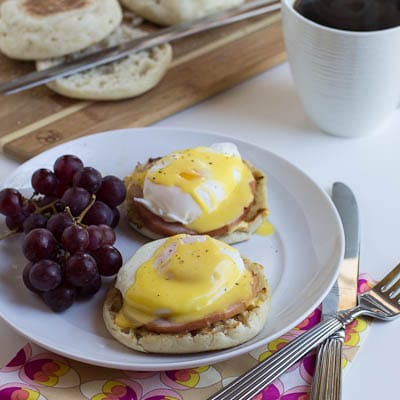
To Assemble: Place two toasted English muffin halves on each serving plate. Top each English muffin half with a browned Canadian bacon slice. Carefully place a perfectly poached egg on top of the Canadian bacon. Finally, generously drizzle each egg with the warm, velvety Hollandaise Sauce. Serve immediately.
Notes
Nutrition
Calories: 730kcal
|
Carbohydrates: 29g
|
Protein: 30g
|
Fat: 55g
|
Saturated Fat: 29g
|
Polyunsaturated Fat: 5g
|
Monounsaturated Fat: 17g
|
Trans Fat: 2g
|
Cholesterol: 647mg
|
Sodium: 918mg
|
Potassium: 426mg
|
Fiber: 2g
|
Sugar: 1g
|
Vitamin A: 1855IU
|
Vitamin C: 2mg
|
Calcium: 118mg
|
Iron: 3mg
Nutrition information is automatically calculated and should only be used as an approximation.
Did you make this?
Leave a comment below and tag us @spicysouthernkitchen on social media!