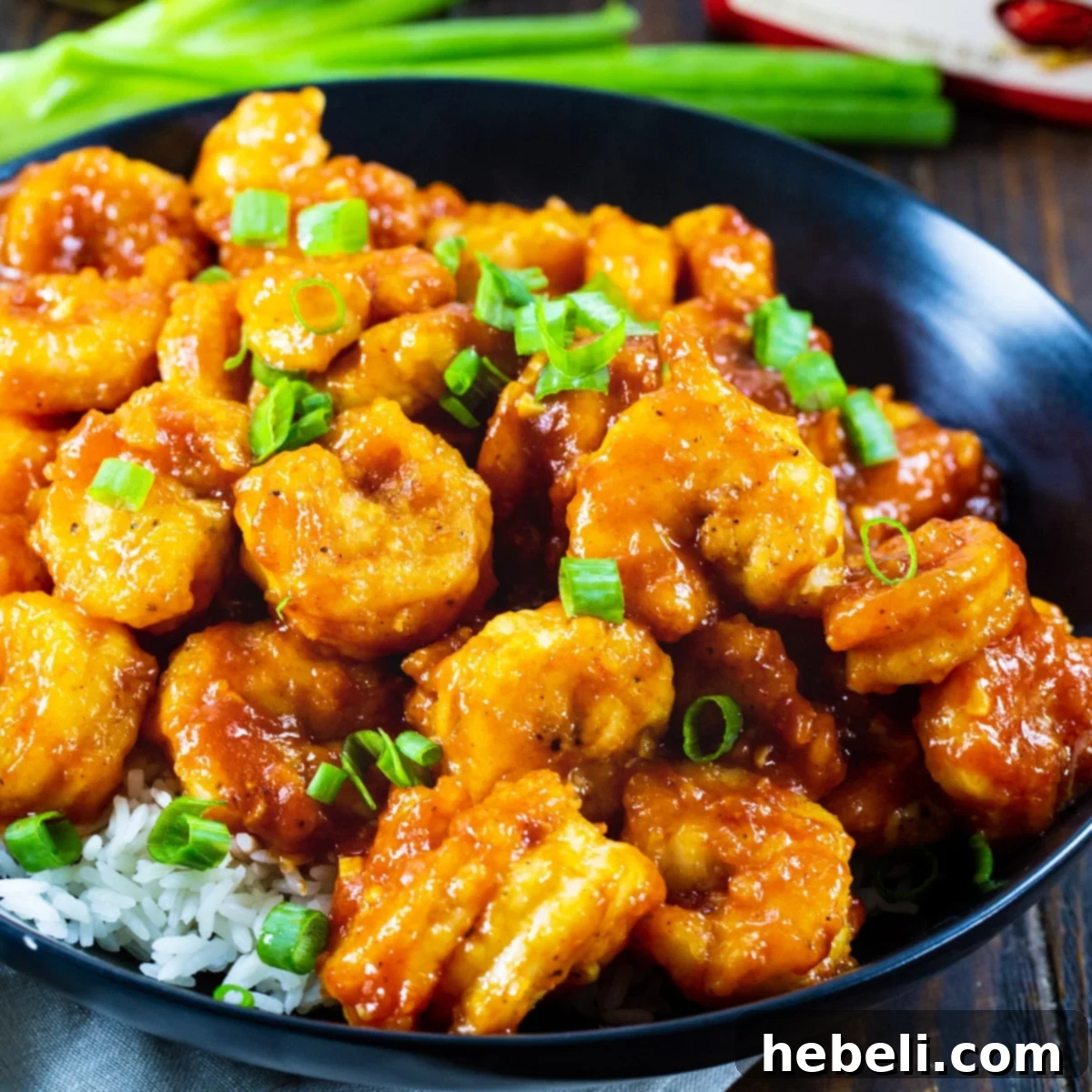
Prepare for an explosion of flavor with these incredibly delicious Gochujang Shrimp! Plump shrimp are lightly coated and pan-fried to perfection, then tossed in a vibrant, irresistible spicy-sweet sauce. This dish is not only packed with flavor but can be ready on your table in under 30 minutes, making it an ideal choice for busy weeknights or when you crave something extraordinary without the fuss.
What is Gochujang? Unveiling Korea’s Secret Flavor Bomb
At the heart of this sensational dish lies Gochujang, a fundamental ingredient in Korean cuisine. This vibrant red chili paste is a fermented condiment renowned for its complex flavor profile: a delightful balance of spicy, sweet, and savory notes, with a subtle umami depth. Traditionally crafted from chili powder, glutinous rice, fermented soybeans, and salt, Gochujang boasts a thick, glossy texture and a distinctive bright red hue.
The fermentation process is key to Gochujang’s unique character, developing rich flavors that are impossible to replicate with simple chili flakes. It’s incredibly versatile, used in marinades, dipping sauces, stews, and a myriad of other Korean dishes. If you’re new to Korean cooking, Gochujang is an absolute pantry essential. You can typically find it in the international aisle of larger grocery stores, specialized Asian markets, or conveniently order it online. Be sure to check the spice level as some brands offer varying degrees of heat. Once opened, store it in the refrigerator to maintain its freshness and flavor.
Crafting the Perfect Gochujang Sauce: A Symphony of Flavors
The luscious sauce that generously coats our Gochujang shrimp is a masterful blend of key ingredients designed to create a harmonious flavor experience. It starts with the robust and spicy foundation of Gochujang paste, which is then mellowed and sweetened with rich brown sugar. Soy sauce introduces a salty, umami depth, while nutty sesame oil adds an aromatic richness. Freshly minced garlic provides a pungent, savory kick, complementing the other bold flavors.
Because Gochujang is a highly concentrated paste, water is essential to thin the sauce to the perfect consistency, allowing it to evenly coat each shrimp. A touch of cornstarch is whisked in, acting as a thickening agent that transforms the sauce into a glossy, clingy glaze as it heats. This careful balance ensures the sauce isn’t overly thick or watery, achieving that ideal restaurant-quality coating that truly makes this dish shine.
How Spicy Is This Dish? Customizing Your Heat Level
With two tablespoons of Gochujang paste, this dish typically offers a delightful medium level of heat that is enjoyable for most palates, providing a pleasant warmth without being overwhelmingly fiery. However, the beauty of this recipe lies in its adaptability to your personal spice preference. If you’re a heat enthusiast looking for an extra kick, simply add another half tablespoon of Gochujang paste to the sauce mixture. For those who prefer a milder flavor profile, reduce the amount of Gochujang to 1 1/2 tablespoons. You can even start with a lower amount and add more gradually to taste, ensuring your Gochujang Shrimp are perfectly tailored to your liking. Remember, the other ingredients in the sauce, particularly the brown sugar, help to balance the chili’s intensity, so don’t be afraid to experiment!
Essential Recipe Tips for Gochujang Shrimp Perfection
Achieving perfectly cooked and flavored Gochujang Shrimp is simple with a few key considerations:
- **Sweetener Alternatives:** While brown sugar adds a lovely molasses note, honey can be an excellent substitute, offering a slightly different but equally delicious sweetness. Maple syrup is another option for a distinct flavor profile.
- **Shrimp Selection and Preparation:** Opt for large shrimp for the best texture and bite. Ensure they are fully peeled and deveined. If using frozen shrimp, thaw them completely in the refrigerator or under cold running water, then pat them thoroughly dry with paper towels. Excess moisture can prevent a crispy coating.
- **The Magic of Cornstarch:** Coating the shrimp in cornstarch before frying is crucial. It creates a thin, crisp crust when pan-fried and helps the rich Gochujang sauce adhere beautifully, resulting in a more satisfying texture and flavor.
- **Avoid Overcooking the Shrimp:** This is arguably the most critical tip. Shrimp cook incredibly fast. Unless you’re using exceptionally jumbo shrimp, they typically only need 1-2 minutes per side. Cook them just until they transform from translucent to opaque and curl slightly into a C-shape. Overcooked shrimp become tough and rubbery, losing their delicate flavor.
- **Sauce Consistency is Key:** Whisk all sauce ingredients together thoroughly before heating. The cornstarch needs to be fully dissolved to prevent lumps. Once added to the skillet with the shrimp, cook the sauce just long enough for it to thicken and coat the shrimp, usually 1 to 2 minutes.
- **Serving Suggestions:** While delicious on its own, Gochujang Shrimp truly shines when served alongside fluffy white or brown rice to soak up every drop of that incredible sauce. For a healthier, complete meal, consider adding a side of steamed vegetables like broccoli, asparagus, or bok choy. It also pairs wonderfully with noodles, a fresh salad, or even as a filling for lettuce wraps.
- **Garnish for Freshness:** A sprinkle of fresh green onions (scallions) not only adds a pop of color but also a fresh, mild oniony flavor that cuts through the richness of the sauce. Toasted sesame seeds can also be added for extra crunch and a nutty aroma.
- **Storing Leftovers:** Any leftover Gochujang Shrimp can be stored in an airtight container in the refrigerator for up to 3 days. Reheat gently in a skillet over medium-low heat or in the microwave until just warmed through to prevent overcooking.
Explore More Gochujang Recipes
If you’ve fallen in love with the dynamic flavor of Gochujang through this shrimp recipe, you’re in for a treat! This versatile paste can elevate countless dishes. Venture further into the world of Korean flavors with this fantastic Korean Fried Chicken, another dish where Gochujang truly shines, delivering crispy, spicy, and utterly addictive results.
More Irresistible Shrimp Recipes To Try
Shrimp is a fantastic protein for quick and flavorful meals. If you’re a fan of succulent shrimp, here are a few more recipes to add to your culinary repertoire:
- Bourbon Shrimp
- Garlic Shrimp in Creamy Parmesan Sauce
- Baked Honey Cajun Shrimp
- Spicy Party Shrimp
- Buttery Broiled Shrimp
Gochujang Shrimp: Quick & Flavorful Korean-Inspired Meal
15
5
4

Ingredients
For the Gochujang Sauce:
- 2 to 2 1/2 tablespoons Gochujang paste (adjust to desired spice level)
- 2 tablespoons brown sugar (or honey for an alternative sweetness)
- 1 1/2 tablespoons soy sauce (low sodium preferred)
- 1 tablespoon sesame oil
- 2 garlic cloves, minced
- 1 1/2 tablespoons cornstarch
- 3/4 cup water
For the Shrimp:
- 1 1/2 pounds large shrimp, peeled and deveined
- 1/2 cup cornstarch
- 1 teaspoon garlic powder
- 1/2 teaspoon black pepper
- 1/4 cup vegetable oil (or other high smoke point oil)
- 2 green onions, sliced (for garnish)
Instructions
-
In a medium mixing bowl, whisk together all the sauce ingredients: Gochujang paste, brown sugar, soy sauce, sesame oil, minced garlic, 1 1/2 tablespoons cornstarch, and water until completely smooth. Set this flavorful sauce aside.
-
In a separate, larger mixing bowl, add the peeled and deveined shrimp. Sprinkle the 1/2 cup cornstarch, garlic powder, and black pepper over the shrimp. Toss thoroughly to ensure all the shrimp are evenly coated. This coating will help create a beautiful crispy exterior.
-
Heat the vegetable oil in a large nonstick skillet or wok over medium-high heat until shimmering. Carefully add the coated shrimp to the hot skillet in a single layer, ensuring not to overcrowd the pan. Cook for about 1-2 minutes until the bottom is golden and slightly crispy, then flip the shrimp. Continue cooking for another 1-2 minutes until they are fully opaque and curled into a gentle C-shape. Be careful not to overcook.
Once the shrimp are cooked through, give your reserved Gochujang sauce a quick whisk again (as cornstarch can settle) and pour it over the shrimp in the skillet. Cook for an additional 1 to 2 minutes, stirring gently, allowing the sauce to thicken and beautifully coat all the shrimp. -
Remove from heat, sprinkle generously with sliced green onions, and serve immediately. This dish is fantastic over white rice, brown rice, or even noodles.
Notes
Nutrition
Calories:
426
kcal
Nutrition information is automatically calculated and should only be used as an approximation. Actual values may vary based on ingredients and preparation methods.
Did you make this?
Leave a comment below and tag us @spicysouthernkitchen on social media!