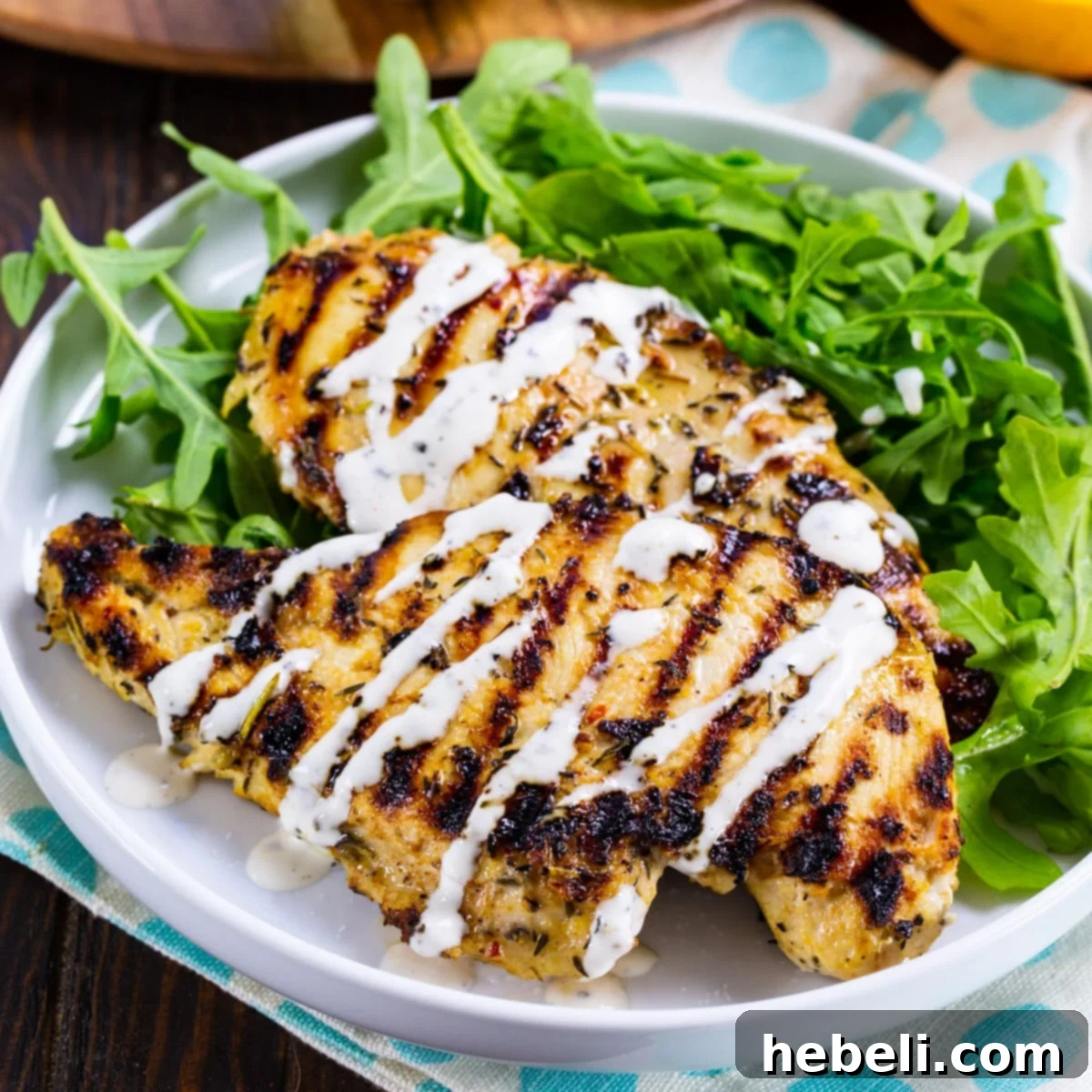
Zesty Grilled Citrus Chicken: Your Ultimate Summer Flavor Guide
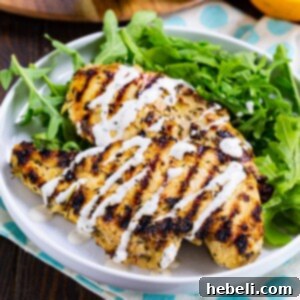
Unlock the vibrant flavors of summer with this incredibly fresh and zesty Grilled Citrus Chicken recipe. Marinated to perfection in a blend of bright orange and tangy lime juices, infused with aromatic herbs, this chicken promises a delightful culinary experience. For an extra layer of unique flavor, don’t miss the optional drizzle of creamy White BBQ Sauce – it’s a game-changer!
Why Grilled Citrus Chicken is a Must-Try Summer Dish
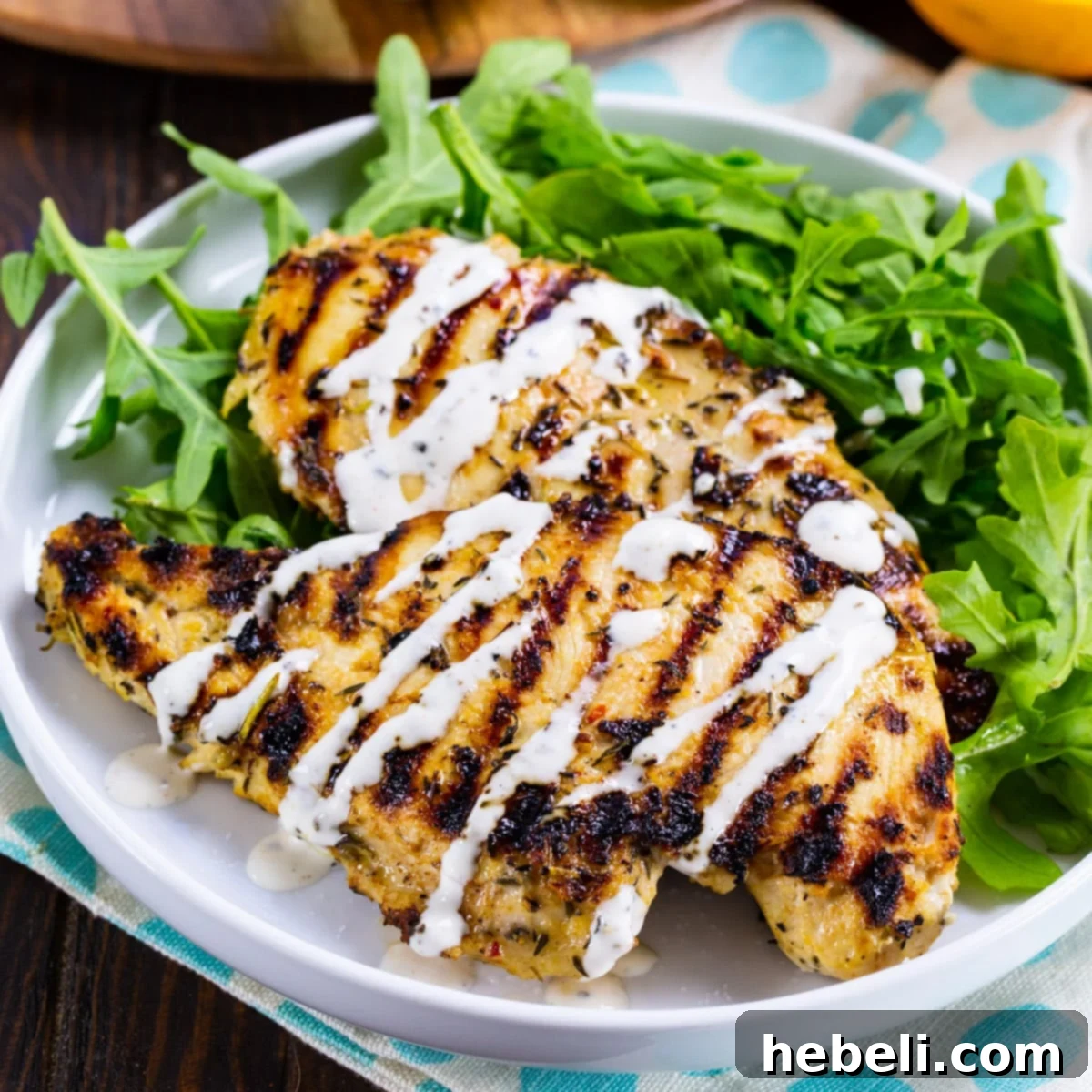
As the days grow longer and the sun shines brighter, our cravings naturally shift towards lighter, more refreshing meals. Grilled Citrus Chicken fits this bill perfectly. It’s not just a meal; it’s an experience that encapsulates the essence of summer. The combination of citrus fruits not only tenderizes the chicken but also infuses it with a bright, tangy flavor that is incredibly invigorating. Grilling adds that irresistible smoky char and keeps the kitchen cool, making it ideal for entertaining or a relaxed weeknight dinner. Furthermore, chicken is an excellent source of lean protein, making this a healthy choice for anyone looking to maintain a balanced diet without sacrificing taste.
This recipe is designed for both novice and experienced cooks. With minimal prep time and straightforward grilling instructions, you can have a gourmet-tasting meal on the table in under 30 minutes. Whether you’re planning a backyard barbecue, a casual family dinner, or meal prepping for the week ahead, this zesty chicken is versatile and consistently delicious.
Crafting the Perfect Easy Citrus Marinade
The secret to our incredibly flavorful grilled chicken lies in its simple yet potent marinade. This vibrant blend transforms ordinary chicken into something extraordinary, infusing it with layers of bright, herbaceous, and subtly sweet notes. The key ingredients come together harmoniously to create a marinade that not only tenderizes the meat but also deeply penetrates it with flavor.
- Orange Juice: Provides a sweet, mild citrus note that balances the tangier elements. It also helps in tenderizing the chicken gently.
- Lime or Lemon Juice: Adds a sharp, zesty kick crucial for that signature citrus brightness. The acidity breaks down tough protein fibers, leading to a more tender result.
- Olive Oil: Essential for carrying fat-soluble flavors into the chicken and preventing it from sticking to the grill. It also helps to keep the chicken moist during cooking.
- Thyme & Rosemary: These classic herbs impart an earthy, aromatic depth that complements the citrus beautifully. Dried herbs work wonderfully for convenience, but fresh ones can elevate the flavor even further.
- Onion Powder: Offers a foundational savory flavor without the texture of fresh onion, ensuring even distribution throughout the marinade.
- Red Pepper Flakes: A touch of heat awakens the palate and adds a subtle warmth that doesn’t overpower the fresh flavors. Adjust to your spice preference!
- Brown Sugar: A small amount helps to balance the acidity of the citrus, promote caramelization on the grill for a beautiful char, and add a hint of sweetness.
The best part? There’s no need to dirty extra dishes! Simply combine all the marinade ingredients directly into a large, resealable zip-top bag. Give it a good slush around until everything is thoroughly mixed, then add your chicken. This method ensures easy cleanup and maximizes the marinade’s contact with the meat.
Optimal Marination Time for Tender, Flavorful Chicken
Understanding the science behind marination is key to achieving perfectly tender and flavorful grilled chicken. While marinating is crucial, the duration is equally important, especially when working with acidic ingredients like citrus juices.
For the best results, aim to marinate your chicken for a minimum of 30 minutes. This allows enough time for the flavors to start permeating the surface of the meat and for the acidity to begin its tenderizing work. However, for a more intense flavor and superior tenderness, we recommend marinating for anywhere between 2 to 8 hours.
It’s important to exercise caution and avoid marinating the chicken for longer than 8 hours. The high acidity from the orange and lime juices can actually begin to “cook” the chicken, a process known as denaturation. While this sounds intriguing, it can lead to a slightly mushy or stringy texture, rather than the desirable firm and juicy result. The acids break down the protein fibers too much, altering the chicken’s natural texture in an undesirable way. Always ensure your chicken is kept refrigerated throughout the marination process to prevent bacterial growth and maintain food safety.
Elevate Your Chicken with Alabama White BBQ Sauce
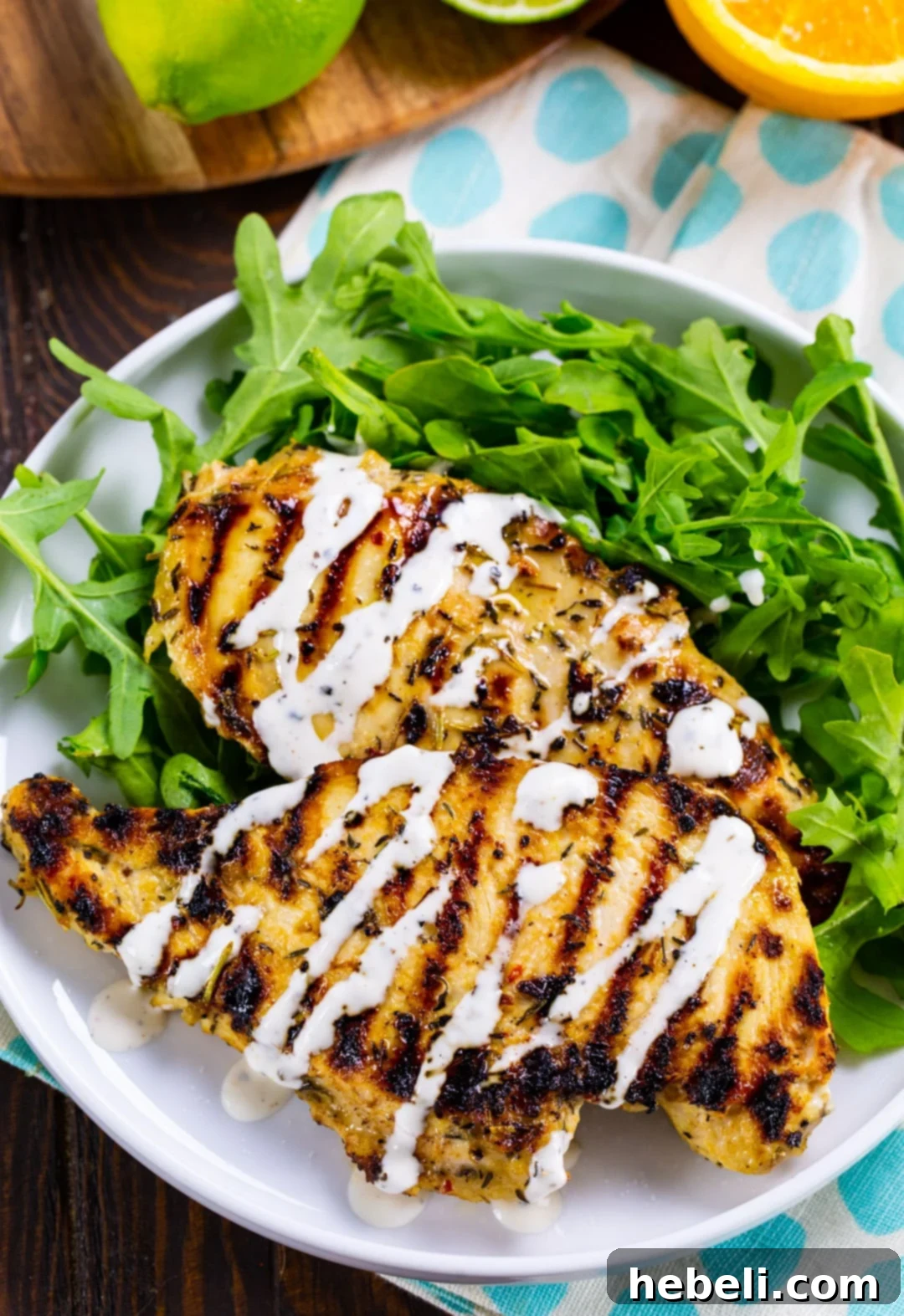
While the Grilled Citrus Chicken is undeniably delicious on its own, for those seeking an extra layer of flavor and a unique culinary twist, drizzling it with a homemade Alabama White BBQ Sauce is highly recommended. This sauce, originating from North Alabama, offers a distinctive tangy and slightly spicy profile that sets it apart from traditional tomato-based BBQ sauces.
Often compared to a tangier, more robust ranch dressing, Alabama White Sauce typically features mayonnaise as its base, combined with apple cider vinegar, horseradish, and a blend of spices. Its creamy texture and sharp flavor cut through the richness of grilled meats, making it an exceptional accompaniment to the zesty citrus chicken. The acidity in the sauce complements the marinade, while its creamy consistency adds a luxurious mouthfeel. It’s a fantastic way to introduce a Southern classic to your grilling repertoire and truly makes this chicken dish stand out.
If you prefer to keep it simple or don’t have the ingredients for the white sauce, the chicken is still fantastic as is. Alternatively, a squeeze of fresh lime juice, a sprinkle of fresh cilantro, or a light vinaigrette could offer different yet equally delightful finishes.
Choosing the Right Chicken Cut for Grilling
This versatile recipe works beautifully with various cuts of boneless, skinless chicken, allowing you to choose based on your preference for texture and leanness.
- Chicken Breasts: My go-to choice for this recipe, chicken breasts are lean and cook relatively quickly. However, larger breasts can be thick and cook unevenly. To ensure even cooking and faster grilling, I recommend two techniques:
- Halving: If you have very large chicken breasts, carefully slice them horizontally into two thinner cutlets. This creates more surface area for flavor and ensures they cook through without drying out.
- Pounding: Alternatively, place chicken breasts between two pieces of plastic wrap and pound them gently with a meat mallet or a heavy pan until they are of even thickness (about 1/2 to 3/4 inch). This method guarantees uniform cooking and helps tenderize the meat.
- Chicken Thighs: For those who prefer a richer, moister cut, boneless, skinless chicken thighs are an excellent option. They are more forgiving on the grill and have a naturally more robust flavor. Keep in mind that chicken thighs generally require a slightly longer cooking time than breasts, typically 7-9 minutes per side, depending on thickness. Their higher fat content also makes them less prone to drying out.
Regardless of the cut you choose, ensuring uniform thickness is paramount for even cooking and preventing some parts from being overcooked while others are undercooked. This simple preparation step makes a significant difference in the final outcome of your grilled chicken.
Mastering Chicken Doneness: For Safety and Flavor
Grilling chicken to perfection involves more than just cooking it until it looks done. Ensuring food safety while maintaining optimal tenderness and juiciness is crucial. The most reliable way to determine if your chicken is fully cooked is by using an instant-read meat thermometer.
Chicken is safely cooked when it reaches an internal temperature of 165°F (74°C) in the thickest part of the meat, avoiding any bones. Insert the thermometer into the thickest part of the breast or thigh, ensuring it doesn’t touch bone, which can give a false reading.
While a thermometer is the gold standard, there are other indicators:
- Firmness: When pressed, fully cooked chicken will feel firm to the touch, with a slight springiness. Raw or undercooked chicken will feel soft and jiggly.
- Juices Run Clear: If you cut into the thickest part of the chicken, the juices should run clear, not pink.
Remember, once the chicken is removed from the grill, its internal temperature will continue to rise a few degrees, a phenomenon known as “carryover cooking.” It’s a good practice to let your grilled chicken rest for 5-10 minutes before slicing and serving. This allows the juices to redistribute throughout the meat, resulting in a much juicier and more tender bite.
Storage and Reheating Tips for Leftover Citrus Chicken
Cooked Grilled Citrus Chicken makes for fantastic leftovers, perfect for quick meals throughout the week. To maximize freshness and safety, follow these storage and reheating guidelines:
- Storage: Allow the chicken to cool completely before transferring it to an airtight container. Refrigerate promptly, ideally within two hours of cooking. Stored properly, the chicken will remain fresh for up to 4 days in the refrigerator. For longer storage, you can freeze the cooked chicken for up to 2-3 months in a freezer-safe bag or container.
- Reheating: For best results, reheat grilled chicken gently to prevent it from drying out.
- Oven: Preheat your oven to 325°F (160°C). Place chicken in an oven-safe dish, add a splash of broth or water, cover tightly with foil, and bake for 15-20 minutes or until heated through.
- Skillet: Heat a lightly oiled skillet over medium-low heat. Add chicken and a tablespoon of water, cover, and cook for 5-7 minutes per side, flipping occasionally.
- Microwave: While convenient, the microwave can sometimes dry out chicken. Heat in short bursts (30-60 seconds) until warmed through, turning once.
Leftover grilled citrus chicken is incredibly versatile! It’s a phenomenal addition to salads, turning a simple green salad into a hearty meal. You can also shred it for wraps, slice it for sandwiches, or incorporate it into pasta dishes, quesadillas, or even a flavorful chicken fried rice.
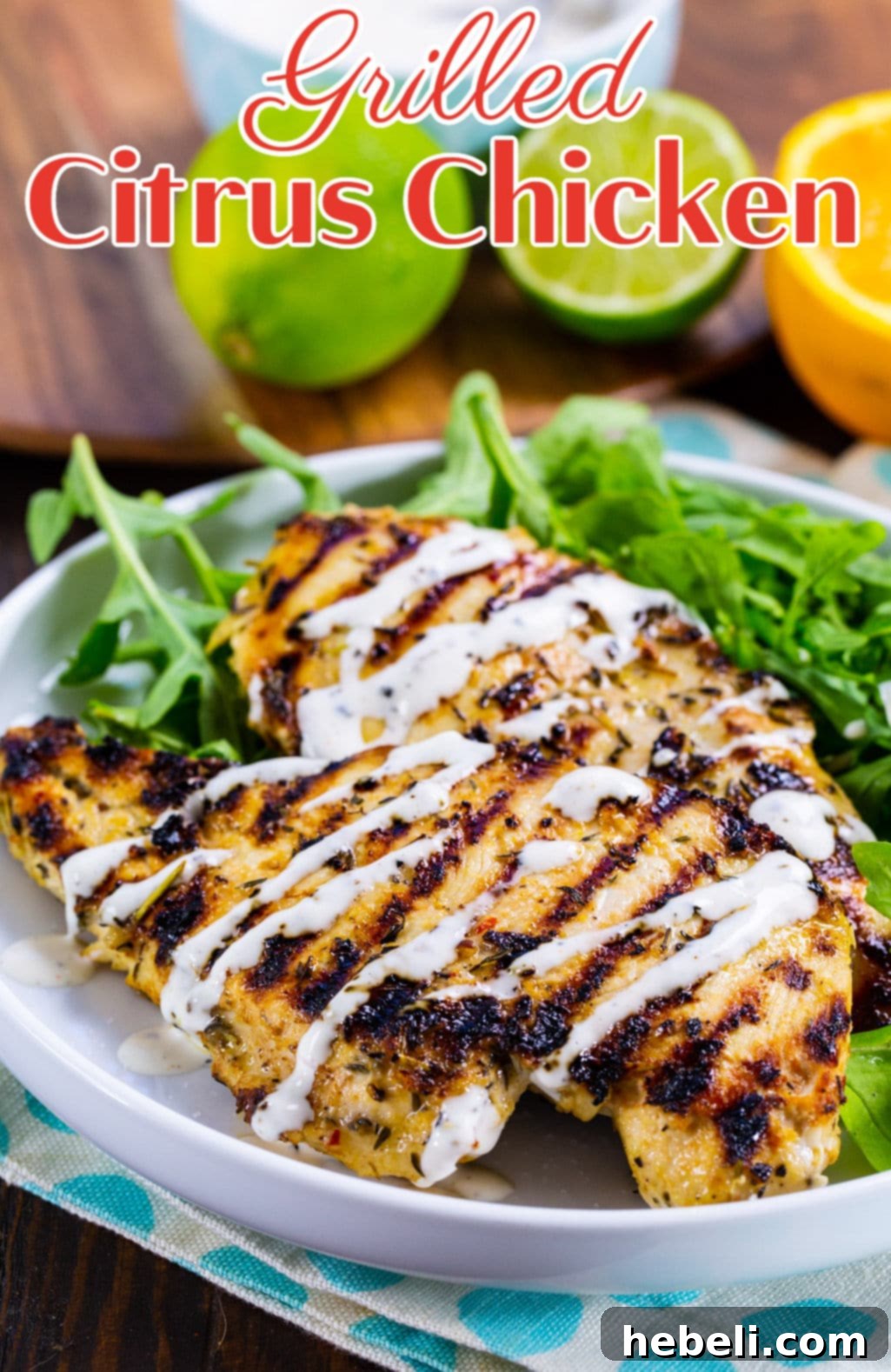
What To Serve With Grilled Citrus Chicken
This vibrant Grilled Citrus Chicken pairs wonderfully with a variety of side dishes, offering endless possibilities for a complete and satisfying meal. Here are some fantastic suggestions to complement its fresh, zesty flavors:
- Orange Rice: A natural pairing that enhances the citrus notes of the chicken.
- Marinated Tomatoes: Fresh, ripe tomatoes marinated in herbs and vinaigrette offer a light and tangy counterpoint.
- Honey Mustard Potato Salad: A creamy, savory classic that provides comforting balance.
- Cucumber Coleslaw: Crisp and refreshing, this slaw adds a cool crunch.
- Chipotle Corn Salad: A smoky, sweet, and slightly spicy option for a vibrant side.
- Grilled Vegetables: Asparagus, bell peppers, zucchini, or corn on the cob grilled alongside the chicken create a cohesive and healthy meal.
- Quinoa or Couscous Salad: Light grain-based salads with fresh herbs and vegetables offer a nutritious and refreshing option.
- Simple Green Salad: A basic mixed green salad with a light vinaigrette is always a good choice to balance the meal.
- Roasted Sweet Potatoes: Their natural sweetness and earthy flavor provide a delightful contrast to the chicken’s tang.
Feel free to mix and match these sides to create your perfect summer plate!
Grilled Citrus Chicken Recipe
A bright and flavorful grilled chicken marinated in citrus juices and herbs, perfect for any occasion. Optionally drizzled with tangy White BBQ Sauce for an extra kick.
Prep Time: 10 mins
Cook Time: 12 mins
Servings: 4
Rating: 5 out of 5 stars (based on 2 votes)
Pin Recipe |
Print Recipe
Ingredients
For the Grilled Citrus Chicken:
- 1 naval orange, juiced
- 1/2 lemon or lime, juiced
- 1 tablespoon extra-virgin olive oil
- 2 teaspoons brown sugar
- 1 garlic clove, minced
- 1 teaspoon salt
- 1/2 teaspoon dried thyme
- 1/2 teaspoon dried rosemary
- 1/2 teaspoon onion powder
- 1/2 teaspoon crushed red pepper flakes
- 1/2 teaspoon black pepper
- 4 boneless, skinless chicken breasts (or thighs)
For the White BBQ Sauce (Optional):
- 1/2 cup mayonnaise
- 2 tablespoons apple cider vinegar
- 3/4 teaspoon Worcestershire sauce
- 1/2 teaspoon horseradish
- 1/2 teaspoon black pepper
- 1/4 teaspoon salt
- 1/4 teaspoon cayenne pepper
Instructions
- Prepare the White BBQ Sauce: In a small bowl, whisk together all ingredients for the White BBQ Sauce until smooth. Cover and refrigerate until ready to use. This can be made ahead of time.
- Marinate the Chicken: In a large zip-top bag, combine the orange juice, lemon/lime juice, olive oil, brown sugar, minced garlic, salt, dried thyme, dried rosemary, onion powder, crushed red pepper flakes, and black pepper. Seal the bag and shake to mix thoroughly. Add the chicken breasts (or thighs) to the bag, ensuring they are fully coated in the marinade.
- Refrigerate: Place the sealed bag in the refrigerator and marinate for a minimum of 30 minutes, and up to 8 hours. Do not marinate for longer than 8 hours, as the acidity can alter the chicken’s texture.
- Preheat Grill: Preheat your grill to medium-high heat (about 375-400°F or 190-200°C). Lightly oil the grill grates to prevent sticking.
- Grill the Chicken: Remove chicken from the marinade, discarding any excess marinade. Place the chicken on the preheated grill. Grill for 5 to 6 minutes per side for chicken breasts, or 7 to 9 minutes per side for chicken thighs, or until the internal temperature reaches 165°F (74°C) using an instant-read thermometer. The chicken should have nice grill marks and be cooked through.
- Rest and Serve: Transfer the grilled chicken to a clean cutting board and let it rest for 5-10 minutes before slicing. This allows the juices to redistribute, ensuring tender and juicy results. Drizzle with the prepared White BBQ Sauce, if desired, and serve immediately with your favorite sides.
Nutrition
Calories: 344 kcal
Nutrition information is automatically calculated and should be used as an approximation. Actual nutritional values may vary based on ingredients used and preparation methods.