
Experience the timeless charm of an Old-Fashioned 7-Up Cake, a truly beloved recipe that combines a delightful pound cake-like texture with an irresistible lemon flavor. This scratch-made version elevates the classic, delivering a vastly superior taste and consistency compared to those made from boxed mixes. Prepare to discover your new favorite dessert, perfect for any occasion.

The 7-Up Cake holds a special place in the hearts of many, a true retro classic right alongside other nostalgic treats like
Vanilla Wafer Cake. What truly sets this cake apart is its unique texture and vibrant flavor, achieved without a traditional chemical leavener. The secret lies in the 7-Up itself, which performs a magical transformation, contributing to both the cake’s tender crumb and its distinctive citrusy notes.
Why This Scratch-Made 7-Up Cake Is a Must-Try
While many 7-Up cake recipes opt for convenience by using a boxed cake mix, our recipe proudly celebrates the art of baking from scratch. This dedication to traditional methods ensures a cake with unparalleled depth of flavor and a wonderfully dense yet moist texture that simply cannot be replicated by pre-packaged ingredients. The careful balance of butter, shortening, and fresh lemon zest, combined with the effervescence of 7-Up, creates a culinary experience that is both comforting and sophisticated.
This cake embodies simplicity and elegance. It’s a recipe that has gracefully withstood the test of time, proving that sometimes, the most straightforward ingredients yield the most extraordinary results. Each bite offers a harmonious blend of sweet and tangy, with a delicate citrus aroma that tantalizes the senses. Whether you’re a seasoned baker or new to the kitchen, this scratch-made 7-Up cake promises a rewarding and delicious outcome.

The Magic of 7-Up in Baking
One of the most intriguing aspects of the 7-Up Cake is the role of the soda itself. Unlike many cakes that rely on baking powder or baking soda for their rise, this recipe cleverly uses the carbonation in 7-Up (or Sprite) as its primary leavening agent. As the cake bakes, the tiny bubbles of carbon dioxide expand, creating a light, airy crumb within the denser pound cake structure. This not only contributes to the unique texture but also infuses the cake with a subtle, bright lemon-lime flavor that is wonderfully refreshing.
The soda also contributes to the cake’s moisture, preventing it from drying out during baking. This innovative use of a common beverage transforms a simple cake into something truly extraordinary, showcasing how traditional recipes often hold clever secrets passed down through generations. It’s a testament to the ingenuity of home bakers who discovered that a bottle of soda could do more than just quench thirst – it could create baking magic.
A Slice of Southern Tradition: The History of 7-Up Cake
The 7-Up Cake is deeply rooted in Southern American culinary tradition, emerging as a popular dessert decades ago. In a time when ingredients might have been simpler or home cooks were experimenting with readily available items, soda pop found its way into many recipes. 7-Up, with its clear, crisp lemon-lime profile, proved to be an ideal candidate for baking, especially in pound cake recipes where a dense, rich texture was desired.
This cake quickly became a staple at potlucks, family gatherings, and church picnics across the South. Its straightforward preparation, combined with its undeniably delicious flavor, made it an instant hit. It evokes a sense of nostalgia, reminding many of childhood memories and simpler times. The cake’s enduring popularity speaks volumes about its comforting appeal and its ability to bring people together over a shared love for homemade treats. It’s more than just a cake; it’s a piece of culinary history, a symbol of Southern hospitality and ingenuity in the kitchen.
How To Make This Delicious 7-Up Cake
Baking this old-fashioned 7-Up cake from scratch is a rewarding experience. Here’s a narrative breakdown of the process, with more detailed step-by-step instructions available in the recipe card below.
-
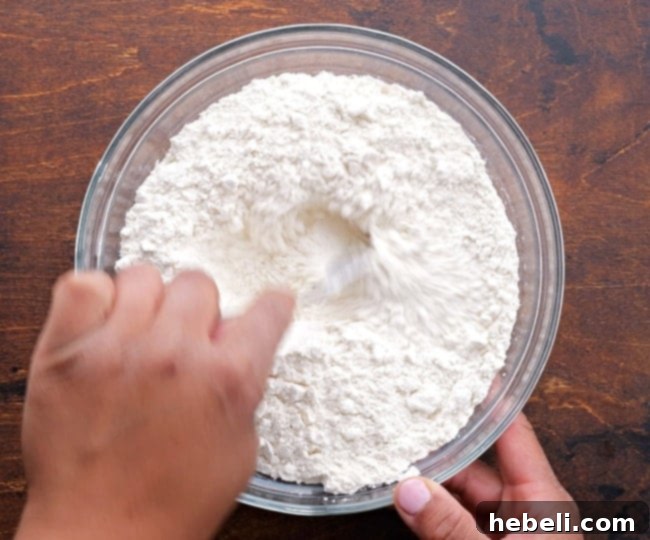
Prepare Your Dry Ingredients: Begin by thoroughly whisking together your all-purpose flour and salt in a medium-sized mixing bowl. This ensures that the salt is evenly distributed throughout the flour, preventing any pockets of intense saltiness in your finished cake. Set this aside.
-
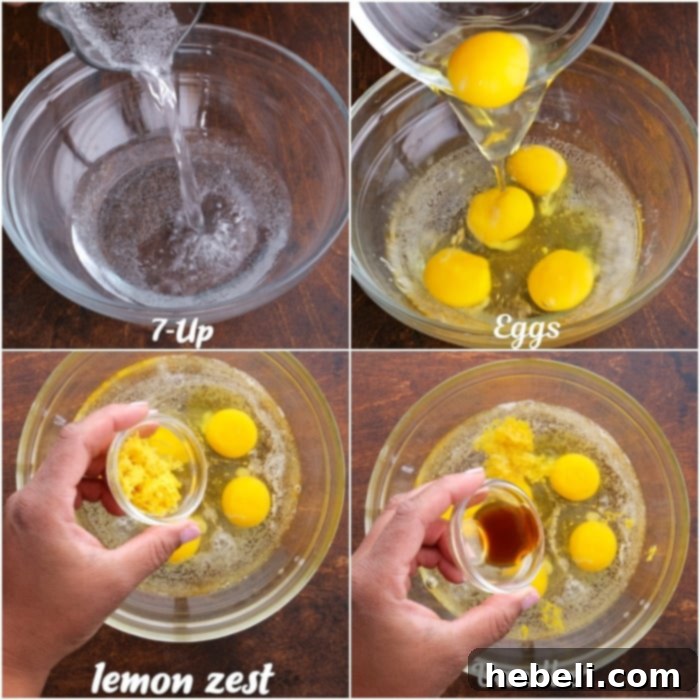
Combine Wet Ingredients: In a separate bowl, gently whisk together the 7-Up (or Sprite), large room-temperature eggs, fresh lemon zest, and vanilla extract. Ensure these ingredients are well combined, as this mixture will be incorporated into the creamed butter and sugar later.
-
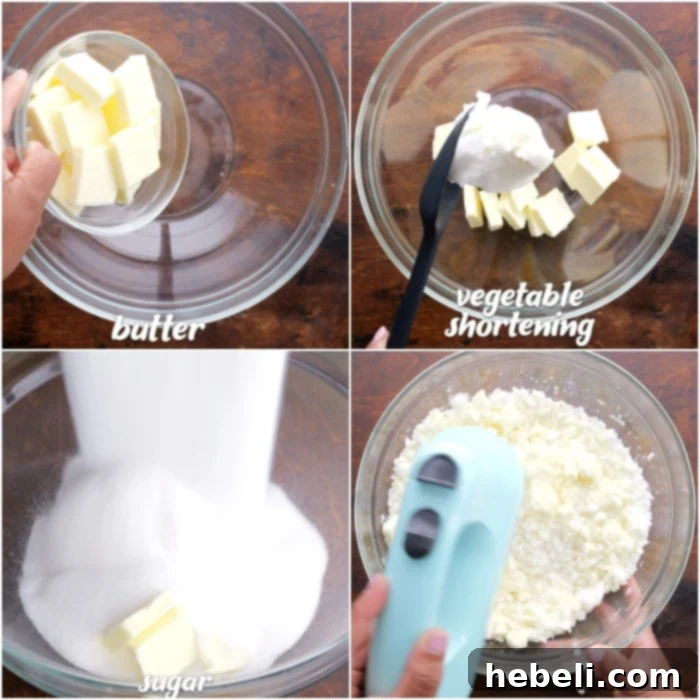
Cream Butter, Shortening, and Sugar: This is a crucial step for a tender pound cake. In a large mixing bowl, beat together the softened unsalted butter, vegetable shortening, and granulated sugar with an electric mixer until the mixture becomes light, fluffy, and pale in color. This process typically takes about 2-3 minutes on medium-high speed. Proper creaming incorporates air, which contributes to the cake’s structure and texture.
-
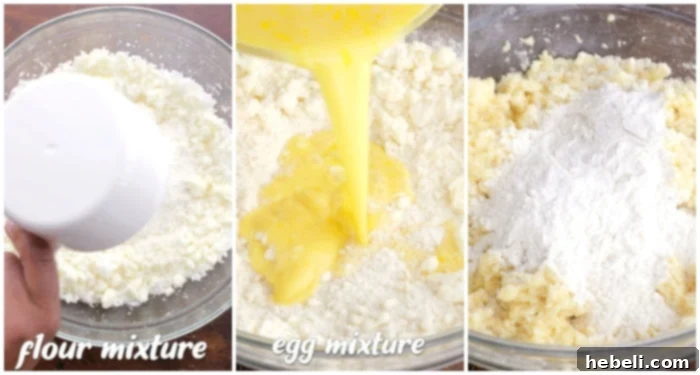
Incorporate Dry and Wet Mixtures: With your electric mixer on low speed, begin adding the flour mixture, alternating with the 7-Up and egg mixture, in two batches. Start and end with the flour mixture. Mix just until combined after each addition; avoid overmixing, as this can lead to a tough cake. Scrape down the sides of the bowl as needed to ensure everything is fully incorporated.
-
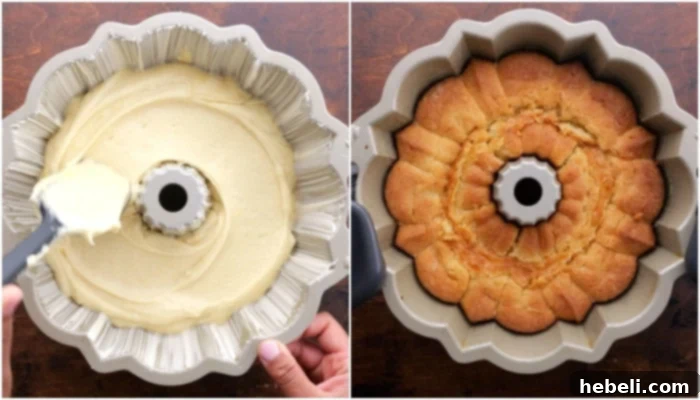
Bake to Golden Perfection: Transfer the prepared batter into your well-greased and floured 12-cup Bundt pan. Bake in a preheated oven for approximately 60 minutes, or until a wooden skewer inserted into the center comes out clean. The cake should be beautifully golden brown.
-
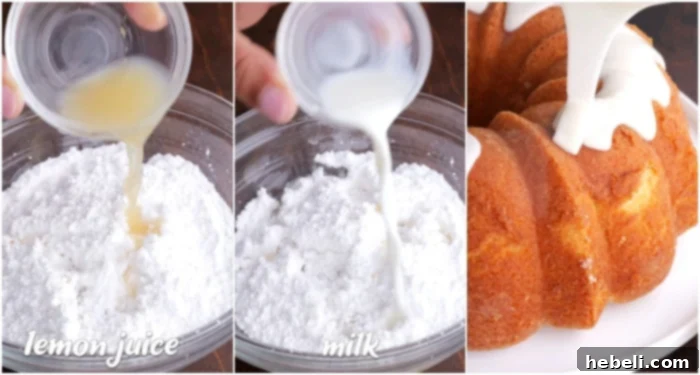
Optional Lemon Glaze: If desired, prepare a simple lemon glaze by whisking powdered sugar, lemon juice, and a touch of milk until smooth. Once the cake has cooled completely, drizzle this glaze generously over the top. While the cake is delicious on its own, the glaze adds an extra layer of lemon tang and sweetness.

Bundt Pan Perfection: Essential Tips for Success
While this 7-Up cake recipe is straightforward, working with Bundt pans can sometimes be a bit tricky. To ensure your cake releases flawlessly every time, proper pan preparation is paramount. First, grease your Bundt pan generously and thoroughly with shortening or butter, making sure to get into all the nooks and crannies of the design. Then, dust it lightly with flour, tapping out any excess. This creates a non-stick barrier that helps the cake slide out easily.
Equally important is the cooling process. Once your cake comes out of the oven, resist the urge to immediately invert it. Allowing the cake to cool in the pan for 10 to 15 minutes is crucial. This short cooling period allows the cake’s structure to set further, making it less likely to break apart when removed. After this time, carefully invert the pan onto a wire rack to allow the cake to cool completely. Patience at this stage will guarantee a beautifully intact Bundt cake, ready for serving.
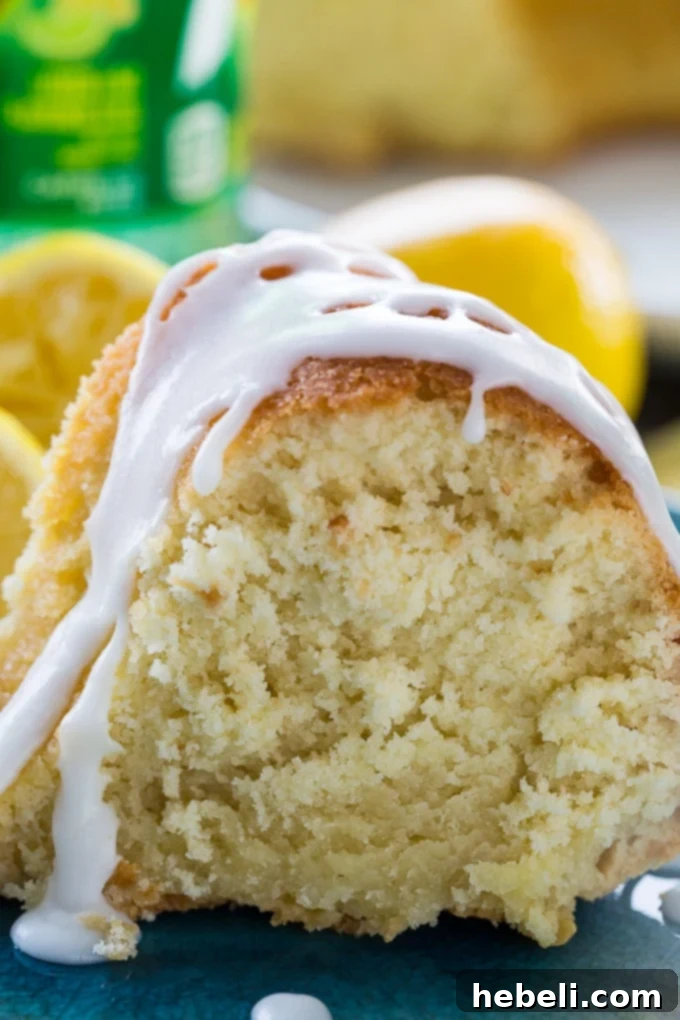
Serving Suggestions & Delightful Variations
This Old-Fashioned 7-Up Cake is absolutely divine on its own, but there are many ways to enhance its enjoyment and customize it to your taste. For a classic presentation, serve slices with a cup of hot tea or coffee, allowing the cake’s delicate lemon flavor to shine through.
While the recipe includes an optional lemon glaze, which adds an extra layer of citrusy sweetness, many enthusiasts, including ourselves, find the cake equally, if not more, appealing without it. The cake’s intrinsic flavor and moist texture are truly enough. However, if you’re looking for different toppings, consider a dusting of powdered sugar for a subtle sweetness, a dollop of freshly whipped cream, or a side of mixed fresh berries like strawberries and blueberries, which complement the lemon beautifully.
For variations, experiment with different citrus zests in the batter, such as orange or lime, to slightly alter the flavor profile. You could also swap 7-Up for another clear lemon-lime soda if preferred. For an extra layer of decadence, try adding a handful of chopped pecans or walnuts to the batter for a delightful crunch. This cake is wonderfully versatile, inviting you to put your own creative spin on a beloved classic.
Frequently Asked Questions About 7-Up Cake
Many common questions arise when baking this classic cake. Here are some answers to help you achieve the perfect 7-Up Cake every time:
- Can I use diet 7-Up or another soda? Yes, you can generally use diet 7-Up or another lemon-lime soda like Sprite or even ginger ale. While diet sodas might alter the texture slightly due to artificial sweeteners, the leavening effect from the carbonation will still work. The flavor profile will, of course, depend on the soda you choose.
- Why is there no baking powder or baking soda in the recipe? The carbonation in the 7-Up soda acts as the leavening agent for this cake. As the cake bakes, the bubbles expand, giving the cake its rise and tender crumb. This is a unique characteristic of soda cakes.
- What if I don’t have a Bundt pan? While a Bundt pan is traditional for this cake, you can also use a large tube pan (like an angel food cake pan) or even two 9×5 inch loaf pans. Adjust baking time as necessary for different pan sizes; loaf cakes will likely bake faster.
- How can I tell if my cake is done? Insert a wooden skewer or toothpick into the center of the cake. If it comes out clean, the cake is done. Avoid opening the oven door too frequently during baking to prevent the cake from sinking.
- How should I store the 7-Up Cake? This cake stores wonderfully at room temperature. Simply cover it tightly with plastic wrap or place it in an airtight container. It will remain fresh and moist for 3-4 days. For longer storage, you can freeze individual slices or the whole cake, wrapped well, for up to 3 months. Thaw at room temperature before serving.
- Can I add more lemon flavor? Absolutely! To boost the lemon flavor, you can increase the amount of lemon zest in the batter or add a teaspoon of lemon extract. The glaze also offers an excellent opportunity to add more tart lemon flavor.
More Delicious Recipes Using 7-Up
The versatility of 7-Up extends beyond cakes! Explore these other fantastic recipes that incorporate the zesty soda:
- 7-Up Biscuits
- Pineapple 7-Up Cake
7-Up Cake
★
★
★
★
15
mins
1
hr
1
hr
15
mins
18

Equipment
-
Electric Mixer
-
Bundt Pan
Ingredients
- 3 cups all-purpose flour
- 1/2 teaspoon salt
- 3/4 cup 7-UP or Sprite
- 5 large eggs, room temperature
- 2 teaspoons grated lemon zest
-
1 teaspoon
vanilla extract
- 1 cup unsalted butter, softened
-
1/2 cup
vegetable shortening
- 3 cups granulated sugar
Glaze (Optional)
- 1 cup powdered sugar
- 2 tablespoons lemon juice
- 1 teaspoon milk
Instructions
-
Preheat oven to 325 degrees F (160 degrees C). Grease and flour a 12-cup Bundt pan thoroughly.
-
In a medium bowl, whisk together the all-purpose flour and salt until well combined. Set aside.
-
In another separate bowl, whisk together the 7-Up, large eggs, grated lemon zest, and vanilla extract. Set aside.
-
In a large mixing bowl, beat the softened butter, vegetable shortening, and granulated sugar with an electric mixer on medium-high speed until the mixture is light, fluffy, and pale, about 2-3 minutes.
-
Reduce the mixer speed to low. Gradually add the flour mixture, alternating with the 7-Up and egg mixture, in 2 batches. Begin and end with the flour mixture. Mix just until combined after each addition, being careful not to overmix the batter. Scrape down the sides of the bowl as needed.
-
Transfer the cake batter evenly into the prepared Bundt pan. Bake for 60 minutes, or until a wooden skewer inserted into the center comes out clean.
-
Allow the cake to cool in the Bundt pan for 10-15 minutes before inverting it onto a wire rack to cool completely.
-
To make the optional glaze: In a small bowl, whisk together the powdered sugar, lemon juice, and milk until smooth. Once the cake has completely cooled, drizzle the glaze evenly over the top.
Video Information
For a visual guide, here are the details for a video on making 7-Up Cake:
(Video content would typically be embedded here, but has been omitted to comply with the request to remove JavaScript and maintain pure HTML content.)
Notes
Nutrition
Calories:
396
kcal
|
Carbohydrates:
57
g
|
Protein:
4
g
|
Fat:
18
g
|
Saturated Fat:
8
g
|
Polyunsaturated Fat:
2
g
|
Monounsaturated Fat:
6
g
|
Trans Fat:
1
g
|
Cholesterol:
79
mg
|
Sodium:
88
mg
|
Potassium:
48
mg
|
Fiber:
1
g
|
Sugar:
41
g
|
Vitamin A:
391
IU
|
Vitamin C:
1
mg
|
Calcium:
15
mg
|
Iron:
1
mg
Nutrition information is automatically calculated, so should only be used as an approximation.
Did you make this?
Leave a comment below and tag us @spicysouthernkitchen on social media!
This recipe has been lovingly adapted from a classic by Cook’s Illustrated.
Originally posted May 24, 2018.
Disclosure: This post contains affiliate links.