
Lemon Chess Pie is a timeless Southern delicacy, renowned for its vibrant, tart lemon flavor beautifully balanced by a rich, sweet custard filling. Perfect for warm summer gatherings or a comforting treat any time of year, this old-fashioned favorite is best served chilled, offering a refreshing finish to any meal.

This exquisite pie boasts a creamy, smooth texture that melts in your mouth, achieved with just a handful of fundamental kitchen staples: milk, butter, sugar, flour, and eggs. While its chocolate counterpart, Chocolate Chess Pie, holds a special place in many hearts, the bright and zesty essence of lemon makes this variation particularly irresistible, especially during the warmer months when its refreshing qualities truly shine.
The Charming History of Chess Pies
Before diving into the zesty world of Lemon Chess Pie, it’s worth exploring the origins of the “chess pie” family. These humble yet delicious pies are a cornerstone of Southern baking, beloved for their simplicity and rich, custardy fillings. The name “chess pie” itself is shrouded in a bit of mystery. Some theories suggest it’s a corruption of “cheese pie,” perhaps referring to an earlier version that contained cheese or to the pie chest where they were stored. Another popular theory posits that it’s a phonetic interpretation of “It’s just pie,” implying a simple, no-fuss dessert made from basic pantry ingredients. Regardless of its exact etymology, chess pies became a staple in households across the American South due cherished for their ease of preparation and satisfying sweetness. Lemon Chess Pie, with its distinctive citrus kick, is arguably one of the most popular variations, offering a delightful counterpoint to its sweeter cousins.
Why Lemon Chess Pie Stands Out
Among the pantheon of Southern desserts, Lemon Chess Pie holds a special place. Its unique appeal lies in the perfect marriage of tart and sweet. The fresh lemon juice and zest infuse the creamy filling with a bright, invigorating tang that prevents the pie from being overly rich. This vibrant acidity is beautifully mellowed by a generous amount of sugar, creating a harmonious flavor profile that is both comforting and exciting. Unlike fruit pies that rely on seasonal produce, Lemon Chess Pie can be enjoyed year-round, bringing a burst of sunshine to any table. It’s a dessert that evokes feelings of nostalgia, reminiscent of family gatherings and leisurely afternoons spent on a porch swing. Its straightforward preparation also means that even novice bakers can achieve impressive results, making it a go-to recipe for those seeking a homemade treat without extensive effort.
Quick and Easy Recipe: Simplicity at Its Best
One of the most appealing aspects of any Chess Pie, and particularly the lemon version, is its inherent simplicity. This is truly the easiest of pies to prepare, making it a fantastic option for last-minute desserts or for those who prefer straightforward baking. Forget complicated techniques, fancy equipment, or multiple mixing bowls. There’s no electric mixer required here; just a bowl, a whisk, and a few moments of your time. You simply combine the ingredients, give them a good stir until thoroughly mixed, and then pour the luscious filling into your prepared pie crust. It’s a recipe that proves that deliciousness doesn’t have to be complicated, allowing you to create an impressive dessert with minimal fuss.
Want to save this recipe?
Just enter your email and get it sent to your inbox! Plus you’ll get new recipes from us every week!

Key Ingredients and Their Purpose
Understanding the role of each ingredient helps in appreciating the magic of Lemon Chess Pie:
- Sugar: Provides the essential sweetness that balances the lemon’s tartness and contributes to the custard’s smooth texture.
- Flour & Cornmeal: These act as thickeners, giving the pie its characteristic creamy, slightly firm, yet jiggly consistency. The cornmeal, in particular, adds a subtle texture and ensures the filling sets beautifully.
- Eggs: The backbone of any custard pie, eggs bind the ingredients together, creating a rich, smooth, and stable filling when baked.
- Melted Butter: Adds an incredible richness and depth of flavor, contributing to the pie’s luxurious mouthfeel.
- Milk: Thins the custard slightly, ensuring it remains silky smooth and not overly dense.
- Lemon Zest & Juice: These are the stars of the show! The zest provides intense aromatic lemon oil, while the juice delivers the refreshing tartness that defines Lemon Chess Pie. Using both ensures a multi-layered lemon flavor.
- Salt: A pinch of salt is crucial for enhancing all the other flavors, making the sweet and tart notes pop.
Choosing the Perfect Pie Crust
The foundation of any great pie is its crust. For Lemon Chess Pie, you have a couple of excellent options, depending on your time and preference. A store-bought pie crust offers convenience without compromising too much on quality. Many brands offer flaky, ready-to-fill crusts that save considerable time. However, for a truly exceptional experience, nothing quite beats a homemade crust. A Flaky Pie Crust provides a delicate, buttery counterpoint to the rich, tangy filling, elevating the entire dessert. If you opt for homemade, ensure your dough is chilled and rolled evenly to achieve that perfect texture. Whether store-bought or from scratch, make sure your crust is properly fitted into the pie dish before pouring in the filling.
How To Make Lemon Chess Pie: A Step-by-Step Guide
Achieving pie perfection is easier than you think with these detailed steps:
- Prepare Your Oven: Preheat your oven to 375 degrees Fahrenheit (190 degrees Celsius). This initial higher temperature helps to set the crust and the outer edges of the filling before the temperature is reduced.
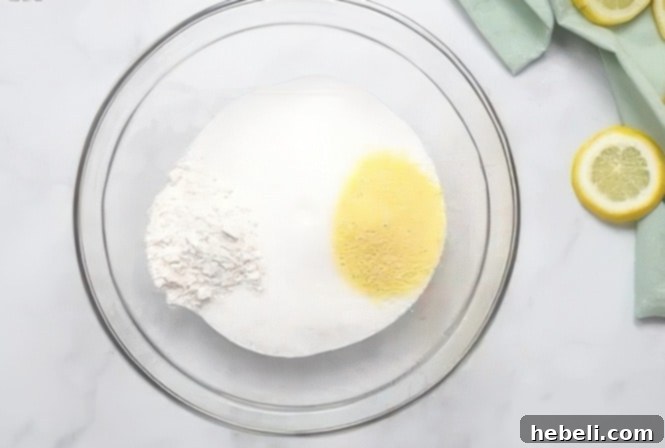
- Combine Dry Ingredients: In a large mixing bowl, whisk together the granulated sugar, all-purpose flour, and cornmeal. This ensures an even distribution of the dry components and prevents lumps in the final filling.

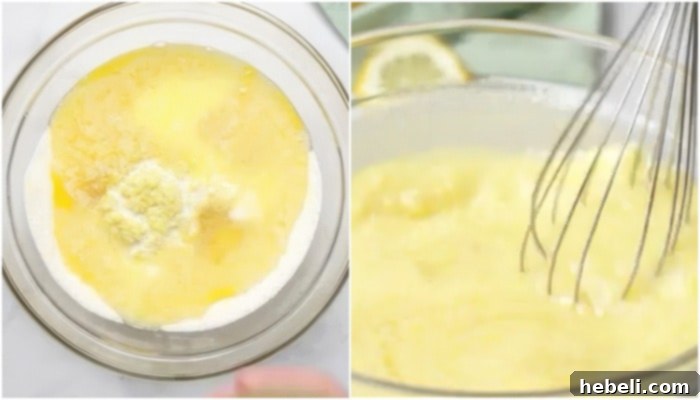
- Incorporate Wet Ingredients: To the dry mixture, add the lightly beaten eggs, melted butter, milk, grated lemon zest, fresh lemon juice, and salt. Whisk vigorously until all ingredients are thoroughly combined and the mixture is smooth and uniform.
- Fill the Pie Shell: Carefully pour the prepared lemon custard mixture into your uncooked 9-inch pie shell. Ensure the filling is evenly distributed.
- Bake in Stages: Place the pie in the preheated oven and bake at 375 degrees Fahrenheit for 15 minutes. This initial burst of heat helps to create a slight crust on the top and edges.
- Lower Temperature and Continue Baking: After 15 minutes, reduce the oven temperature to 300 degrees Fahrenheit (150 degrees Celsius) and continue to bake for an additional 40 to 45 minutes. The pie should be mostly set, with a slight jiggle in the very center when gently shaken.
- Cool and Chill: Remove the pie from the oven and let it cool completely on a wire rack at room temperature. As it cools, the center will continue to set and firm up. Once cooled to room temperature, transfer the pie to the refrigerator and chill for at least 3-4 hours, or preferably overnight, before serving. This chilling time is crucial for the pie to achieve its perfect texture and flavor.


Expert Baking Tips for Lemon Chess Pie
To ensure your Lemon Chess Pie turns out perfectly every time, keep these pointers in mind:
- Don’t Overmix: While you want the ingredients well combined, avoid over-whisking, which can introduce too much air into the filling and lead to cracks on the surface during baking.
- Patience is Key for Setting: Lemon Chess Pie may appear somewhat unset in the middle when you first pull it from the oven. This is completely normal! The pie continues to cook and firm up as it cools, especially during the chilling process. Resist the urge to overbake.
- Prevent Browning: If your pie crust edges start to brown too quickly, you can cover them loosely with aluminum foil for the remainder of the baking time.
- Fresh Lemons Make a Difference: Always use fresh lemon juice and zest for the best flavor. Bottled lemon juice simply doesn’t compare in terms of brightness and aroma.
- Room Temperature Eggs: Using room temperature eggs helps them incorporate more smoothly and evenly into the batter, contributing to a silkier texture.
Serving and Storage Suggestions
Lemon Chess Pie is incredibly versatile in how it can be enjoyed. It is undoubtedly best when served chilled, allowing its flavors to meld and its custard to achieve optimal firmness. However, some prefer it at room temperature, which can highlight its creamy richness. Garnish individual slices with a dollop of fresh whipped cream, a few fresh berries (raspberries or blueberries complement lemon beautifully), or a thin slice of lemon for an elegant presentation. For storage, keep any leftover pie tightly covered in the refrigerator. It will maintain its fresh taste and delightful texture for 4 to 5 days.

More Refreshing Lemon Desserts
If you find yourself enamored with the zesty charm of lemon, you’ll be delighted to explore other lemon-infused treats from our kitchen:
- Lemon Lush: A layered dessert featuring a shortbread crust, cream cheese layer, lemon pudding, and whipped topping.
- Slow Cooker Lemon Cake: A surprisingly easy and moist cake, perfect for hands-off baking.
- Lemon Icebox Cake: A no-bake, refreshing dessert ideal for hot days.
- Lemon Cream Cheese Pound Cake: A rich, dense pound cake with a tangy cream cheese frosting.
- Sweet Tea and Lemonade Cake: A unique Southern-inspired cake blending two classic beverage flavors.
- Lemon Cookie Bars: Chewy, zesty bars that are easier to make than individual cookies.
For tips on how to make the perfect Flaky Pie Crust, watch this video:
Connect with Us!
Never miss a recipe. Follow Spicy Southern Kitchen on Facebook and Pinterest for daily inspiration and delicious new recipes!
Lemon Chess Pie Recipe
By Christin Mahrlig
Prep Time: 10 mins
Cook Time: 55 mins
Total Time: 1 hr 5 mins
Servings: 8

Print Recipe
Lemon Chess Pie is an old-fashioned favorite that’s perfect for summer potlucks. Best served chilled and it has plenty of tart lemon flavor.
Save this recipe!
Get this sent to your inbox, plus get new recipes from us every week!
Ingredients
- 2 cups sugar
- 1 tablespoon all-purpose flour
- 1 tablespoon cornmeal
- 4 large eggs, lightly beaten
- 1/4 cup melted unsalted butter
- 1/4 cup whole milk
- Grated lemon zest from 1 large lemon
- 1/4 cup fresh lemon juice
- 1/4 teaspoon salt
- 1 9-inch uncooked pie shell (store-bought or homemade)
Instructions
- Preheat oven to 375 degrees Fahrenheit (190°C).
- In a large bowl, whisk together sugar, flour, and cornmeal until well combined.
- Add eggs, melted butter, milk, lemon zest, lemon juice, and salt to the dry ingredients. Whisk thoroughly until the mixture is smooth and uniform.
- Carefully pour the custard mixture into the uncooked 9-inch pie shell.
- Bake for 15 minutes at 375 degrees Fahrenheit.
- Reduce oven temperature to 300 degrees Fahrenheit (150°C) and continue to bake for another 40 to 45 minutes. The pie should be mostly set, with a slight jiggle in the very center.
- Remove pie from oven and let it cool completely on a wire rack. The pie will firm up significantly as it cools.
- Refrigerate the pie for at least 3-4 hours, or overnight, until thoroughly chilled and set before serving.
Nutrition Information (per serving)
(Based on 8 servings)
- Calories: 404kcal
- Carbohydrates: 65g
- Protein: 5g
- Fat: 15g
- Saturated Fat: 7g
- Polyunsaturated Fat: 1g
- Monounsaturated Fat: 5g
- Trans Fat: 0.2g
- Cholesterol: 98mg
- Sodium: 255mg
- Potassium: 82mg
- Fiber: 1g
- Sugar: 51g
- Vitamin A: 309IU
- Vitamin C: 3mg
- Calcium: 29mg
- Iron: 1mg
Nutrition information is automatically calculated and should be used as an approximation.
Did you make this?
Leave a comment below and tag us @spicysouthernkitchen on social media! We’d love to see your creations!