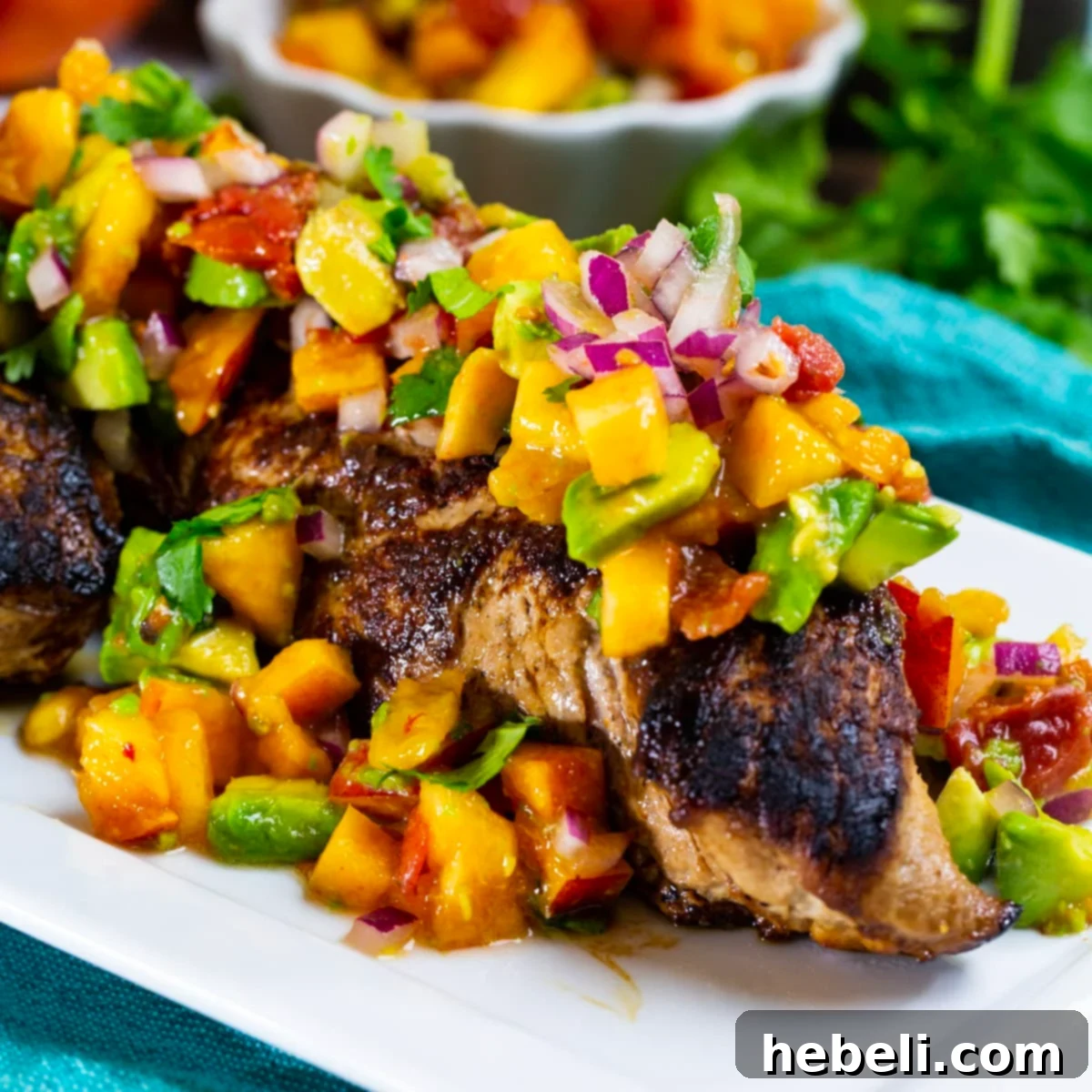
Pork Tenderloin with Nectarine Avocado Salsa: A Culinary Symphony of Flavor and Health
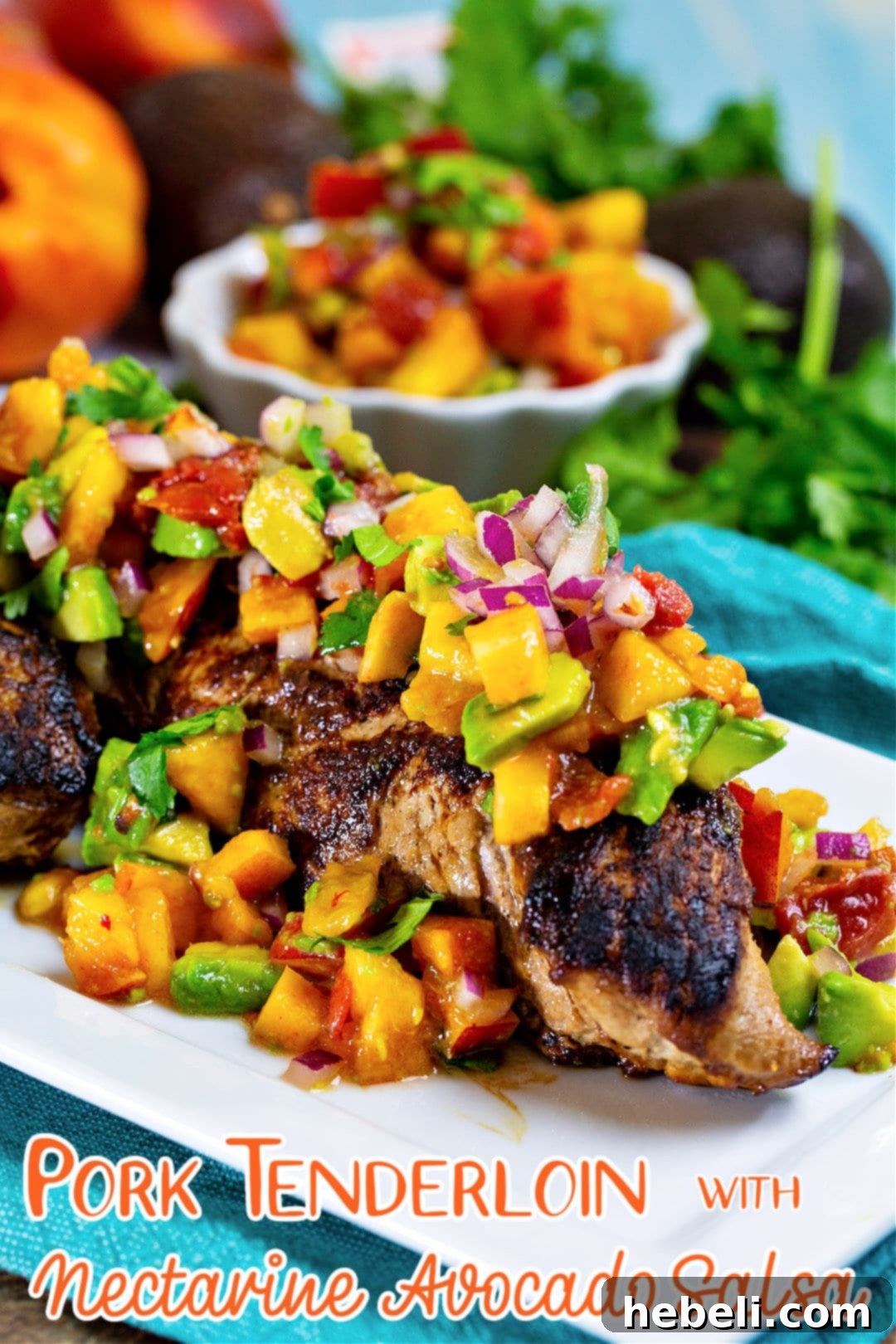
Transform your dinner routine with our exquisite recipe for Pork Tenderloin with Nectarine Avocado Salsa. This dish isn’t just a meal; it’s an experience, bringing together the succulent tenderness of perfectly cooked pork with the vibrant, sweet, and creamy notes of a fresh fruit salsa. Marinated for depth of flavor, seared to perfection, and then finished in the oven, this pork tenderloin emerges wonderfully juicy every time. Crowned with a refreshing salsa bursting with the sweetness of nectarines and the rich creaminess of avocado, it offers an incredibly healthy, flavorful, and satisfying way to enjoy pork. Prepare for a flavor explosion that will make this recipe a staple in your kitchen!
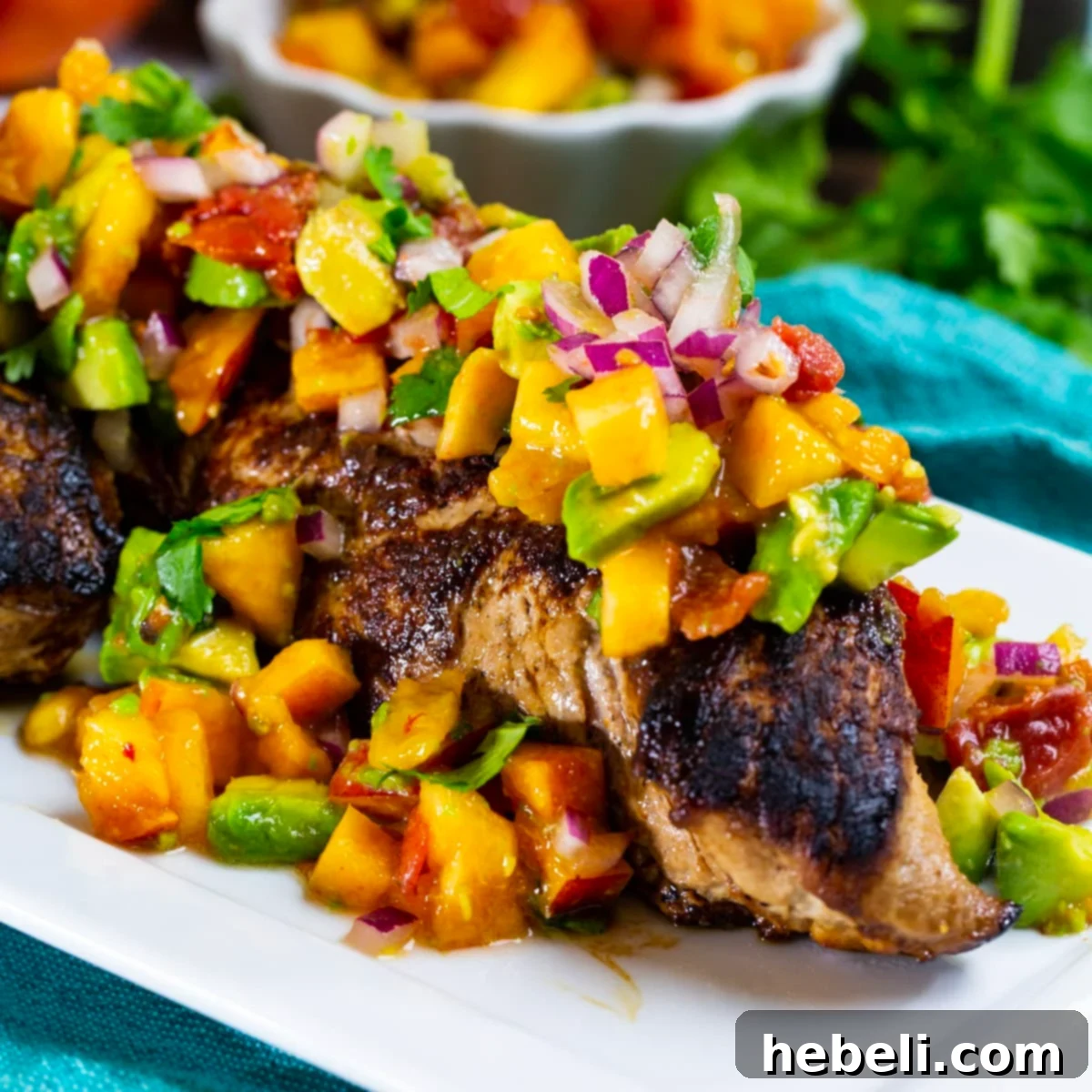
Embracing Flavorful & Healthy Weeknight Meals for Busy Lifestyles
Life can be incredibly hectic, especially when juggling family schedules and daily commitments. The transition into a new season, whether it’s back-to-school or just a shift in routines, often brings with it the challenge of planning wholesome and appealing meals that everyone will enjoy. As parents, we understand the evolving dynamics of family life; as children grow into teenagers, their schedules become more independent, making meal planning a delightful puzzle. Gone are the days of rigid dinner times, replaced by a flexible approach where a delicious, adaptable, and easily reheatable meal becomes a culinary lifesaver.
This Pork Tenderloin with Nectarine Avocado Salsa perfectly addresses these modern-day meal challenges. It’s a dish that not only caters to a wide range of tastes but also boasts incredible nutritional value without compromising on flavor. Its ease of preparation and versatility make it ideal for those busy weeknights when time is a precious commodity, or for those unpredictable evenings when dinner plans shift at the last minute. This recipe proves that healthy eating can be both convenient and utterly delicious, providing a stress-free solution for any demanding schedule, and ensuring no lack of flavor!
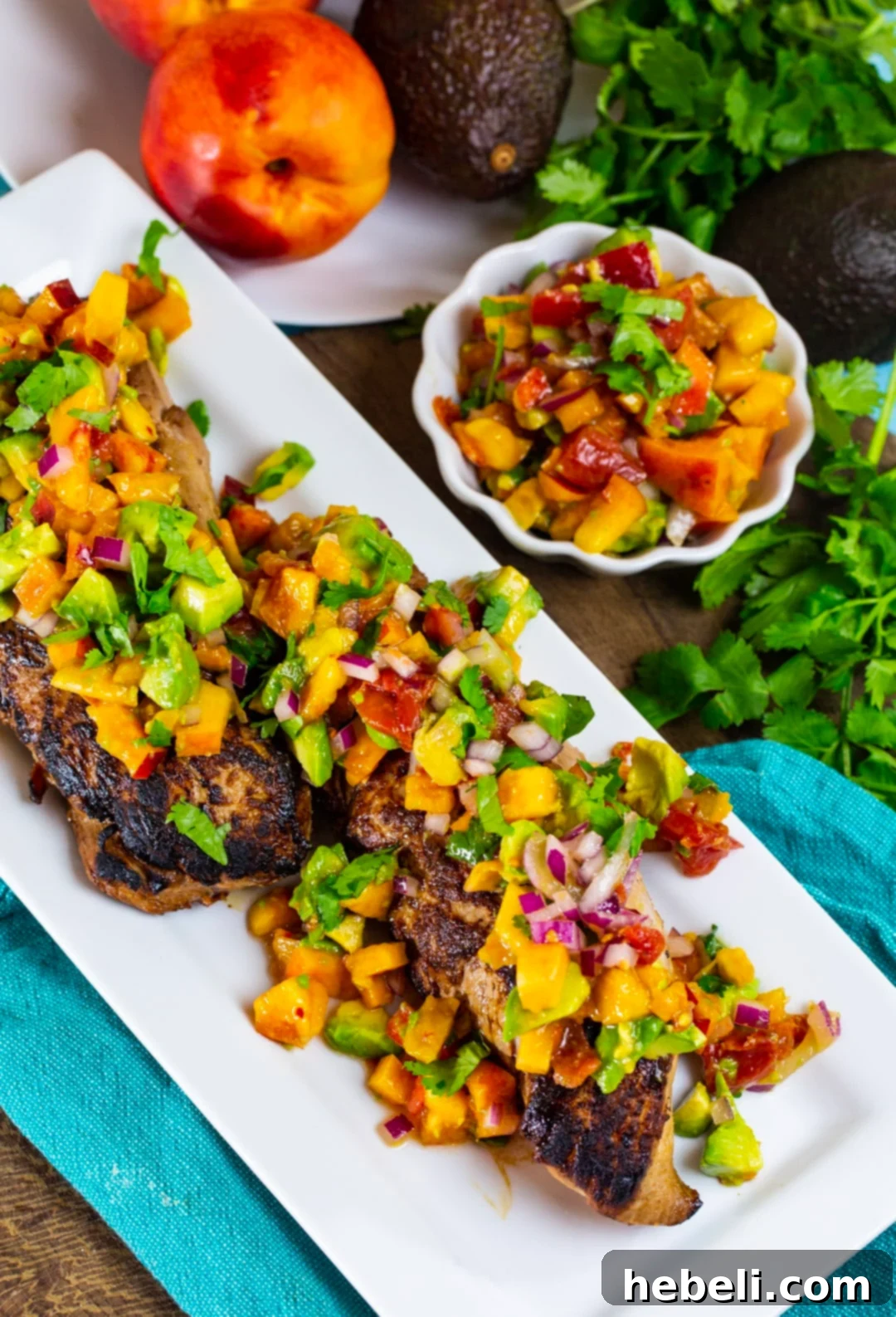
Why Pork Tenderloin is Your Go-To Protein for a Delicious Dinner
Pork tenderloin is truly a culinary gem – lean, versatile, and quick-cooking. It’s often referred to as the “filet mignon” of pork, known for its mild flavor and exceptionally tender texture when cooked correctly. Its inherent leanness makes it a healthier protein choice, easily fitting into various dietary plans without sacrificing satisfaction. The relatively short cooking time is another major advantage, making it an excellent option for busy weeknights when you want a gourmet-quality meal without spending hours in the kitchen.
The beauty of pork tenderloin lies in its ability to absorb flavors, making it a perfect canvas for marinades. Our recipe harnesses this quality by infusing the pork with a savory, slightly sweet, and tangy soy-based marinade. This not only tenderizes the meat further but also builds a profound depth of flavor that complements the bright freshness of the nectarine avocado salsa. This combination creates a harmonious balance of savory and sweet, making every bite a delight. It’s a healthy, appealing, and super easy meal that even picky eaters will love.
Unlocking Deeper Flavors: The Art of Marinating Pork Tenderloin
The secret to an exceptionally flavorful and tender pork tenderloin begins with a good marinade. Our carefully crafted soy-based marinade works its magic over 6 to 8 hours, deeply infusing the pork with a complex profile of savory, sweet, and umami notes. This extended marination period allows the flavors to penetrate the meat fibers, resulting in a tenderloin that is not just seasoned on the surface but flavorful all the way through. While 6-8 hours is ideal for optimal flavor development, don’t worry if your schedule requires a little more flexibility; marinating it slightly longer than 8 hours won’t harm the tenderloin, as the ingredients in this marinade are not overly acidic and will continue to enhance the flavor.
Once your pork has absorbed all that delicious marinade, a crucial step for achieving a perfect sear is to blot it thoroughly dry with paper towels. Removing excess moisture from the surface of the tenderloin is paramount for the Maillard reaction to occur. This chemical process is responsible for creating that desirable golden-brown crust and adding another layer of rich, savory flavor. A dry surface allows the meat to caramelize beautifully, locking in juices and contributing to the overall appeal of the dish, creating a fantastic foundation for our vibrant salsa.
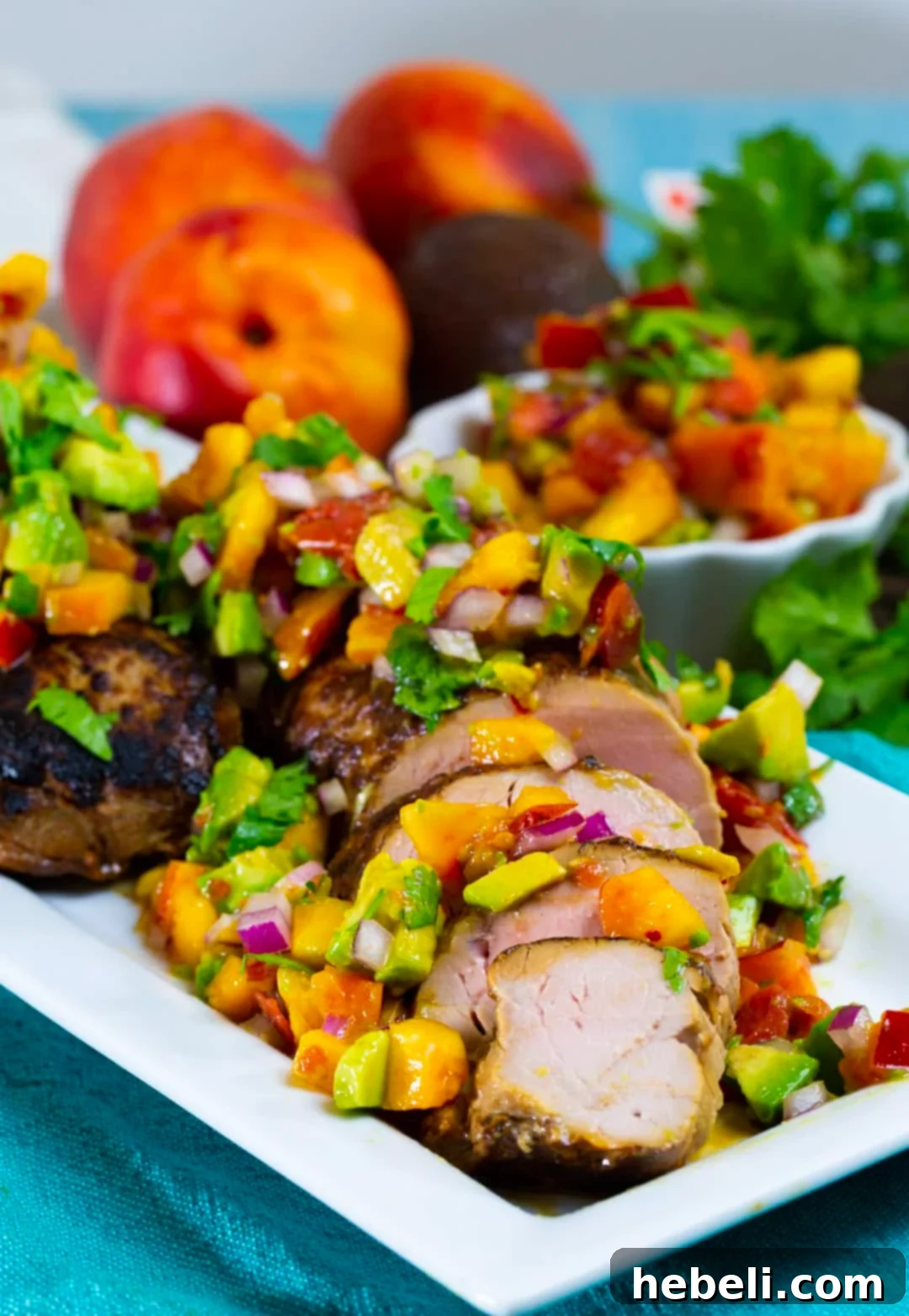
Achieving Culinary Perfection: How to Cook Pork Tenderloin So It’s Wonderfully Juicy
The hallmark of a truly great pork tenderloin is its tenderness and juiciness, and the key to achieving this lies in precise cooking. Overcooking is the most common pitfall when preparing this lean cut of meat, often leading to a dry, tough, and less enjoyable experience. Fortunately, modern culinary guidelines have made it easier than ever to cook pork to perfection, ensuring a succulent result every time.
A few years ago, the U.S. Department of Agriculture (USDA) revised its recommended safe cooking temperature for whole cuts of pork, lowering it from 160ºF (71ºC) to 145ºF (63ºC). This significant change means that pork tenderloin can, and should, still have a slight hint of pink in the middle when it’s done. This internal temperature yields a remarkably tender and juicy texture, vastly superior to the dry, gray pork of yesteryear. It’s important to note that this guideline applies to whole cuts like tenderloin, chops, and roasts; ground pork should still be cooked to 160ºF (71ºC) for safety.
To guarantee your pork tenderloin reaches the ideal doneness without crossing into the dreaded overcooked territory, investing in a reliable kitchen thermometer is essential. An instant-read thermometer is your best friend in the kitchen, providing an accurate reading quickly and allowing you to pull the pork from the heat at just the right moment. Remember that meat continues to cook for a few minutes after being removed from the heat (this is known as carryover cooking), so it’s wise to remove the tenderloin when it reaches about 140-142ºF (60-61ºC). This allows it to rest and reach the perfect 145ºF (63ºC) while retaining all its precious juices. Today’s pork is significantly leaner than it once was, which means the margin for error in cooking is much smaller; a thermometer eliminates the guesswork and ensures a consistently juicy outcome, preventing that chewy, dry pork no one enjoys.
The Bright and Refreshing Nectarine Avocado Salsa: A Perfect Complement
While the tenderloin itself is a star, the vibrant Nectarine Avocado Salsa truly elevates this dish, providing a refreshing contrast and a burst of seasonal flavor. This salsa is a celebration of fresh produce, combining the inherent sweetness of ripe nectarines with the creamy, rich texture of avocado. It’s a pairing that offers a delightful balance and a wonderful complement to the savory pork. We especially love this salsa with super sweet nectarines paired with silky, smooth avocado – they truly are two of our very favorite ingredients!
Beyond the core ingredients, finely diced red onion adds a subtle pungent kick, while fire-roasted diced tomatoes contribute a smoky depth and a touch of acidity. Fresh lime juice brightens the entire mixture, tying all the flavors together with a zesty tang. Fresh cilantro introduces an herbaceous note, and a pinch of red pepper flakes offers just a hint of warmth, awakening the palate without overpowering the delicate fruit flavors. The combination creates a salsa that is both simple to make and incredibly impactful, transforming a delicious meal into an unforgettable culinary experience that is wonderfully healthy and tasty.
Customizing Your Heat Level: Make It Spicier!
For those who appreciate a fiery kick, this recipe offers plenty of room for customization. While the base recipe provides a gentle warmth, reflecting a preference for balanced flavors, it’s incredibly easy to dial up the heat to your liking. If you’re a true spice enthusiast, don’t hesitate to transform this dish into a bolder culinary adventure.
As written, there is only a tiny bit of heat in this recipe, making it broadly appealing. For additional heat, simply double the amount of crushed red pepper flakes in the salsa, increasing it from ¼ teaspoon to ½ teaspoon. This adjustment will add a noticeable but still manageable level of spice. For an even more intense heat, consider adding an additional ½ teaspoon of crushed red pepper flakes (or even cayenne pepper for a different kind of heat) directly to the pork marinade. This dual approach ensures that the heat permeates both the meat and the salsa, creating a harmonious and robustly spicy dish. Feel free to adjust these quantities based on your personal tolerance for spice – the goal is always to create a meal that you truly enjoy!
Ingredient Swaps and Variations: Can I Use Peaches Instead of Nectarines?
Absolutely, yes! The beauty of cooking lies in its flexibility, and this recipe is wonderfully adaptable. If fresh nectarines are not readily available or if you simply prefer them, fresh peaches make an excellent substitute in the salsa. Nectarines and peaches are botanically very similar; the main difference is that nectarines have smooth skin, while peaches have a fuzzy exterior. Both fruits offer a delightful sweetness and juicy texture that will work beautifully in this vibrant salsa, providing a similar flavor profile and adding that desirable fruity counterpoint to the savory pork. Just ensure your peaches are ripe and sweet for the best results, and peel them if you prefer a smoother texture for your salsa.
Beyond peaches, feel free to experiment with other stone fruits or even tropical fruits like mango or pineapple for interesting variations. A mango salsa would lend a distinctly tropical sweetness, while a pineapple salsa would introduce a more tangy and acidic note. You could also try adding finely diced bell peppers (red or yellow for sweetness) or a hint of jalapeño for a different kind of freshness and heat. The key is to choose ripe, flavorful fruit and vegetables that will stand up to the bold flavors of the pork, ensuring your salsa is as dynamic as possible.
Serving Suggestions for a Complete and Balanced Meal
This Pork Tenderloin with Nectarine Avocado Salsa is a complete meal in itself, but it also pairs wonderfully with a variety of simple side dishes to create a more robust dining experience. For a light and refreshing accompaniment, consider a crisp green salad with a light vinaigrette dressing or steamed green beans. If you’re looking for something more substantial, fluffy white rice, brown rice, or a hearty quinoa can perfectly absorb the delicious juices and salsa flavors, making for a satisfying plate. Roasted asparagus, grilled corn on the cob, or a medley of seasonal roasted vegetables (like zucchini and bell peppers) would also make excellent additions, adding more color, texture, and essential nutrients to your plate. The versatility of this dish means you can tailor your sides to suit any occasion or dietary preference, ensuring a well-rounded and delightful meal every time.
Storing and Reheating Leftovers: Maximizing Your Meal Prep
One of the many benefits of this recipe is how well it holds up as leftovers, making it perfect for meal prep, busy lunches, or those unpredictable family dinners. To maintain the best quality, store any leftover cooked pork tenderloin and the nectarine avocado salsa separately in airtight containers in the refrigerator for up to 3-4 days. The pork will retain its flavor and tenderness, while keeping the salsa separate helps preserve its freshness and vibrant texture, preventing the avocado from browning too quickly.
When reheating the pork, it’s best to do so gently to prevent it from drying out. You can warm slices of pork in a non-stick skillet over medium-low heat with a splash of broth or water to keep it moist, or use a microwave at a lower power setting for short intervals until just heated through. Avoid aggressive reheating that can toughen the meat. Serve the reheated pork with fresh salsa for the best texture and flavor, or add the stored salsa just before serving to maintain its cool, crisp qualities. This makes planning ahead for delicious, healthy meals a breeze!
Explore More Amazing Pork Recipes for Every Occasion
If you’ve enjoyed the vibrant flavors and simplicity of this pork tenderloin recipe, we encourage you to delve into more of our delicious pork creations. Pork offers an incredible range of culinary possibilities, from savory roasts perfect for special occasions to quick and easy chops ideal for weeknights. Whether you’re looking for comforting classics or something new and exciting, pork is a versatile protein that can adapt to countless flavor profiles. Here are some of our other favorite recipes that celebrate the deliciousness of pork:
- Peach Glazed Pork Roast: A succulent and flavorful roast featuring a sweet and tangy peach glaze that’s perfect for a celebratory meal.
- Bourbon Apple Pork Chops: A comforting and hearty dish combining rich bourbon and sweet apples, creating a harmonious blend of flavors.
- Brown Sugar Bacon Wrapped Pork Tenderloin: An indulgent recipe where tenderloin is wrapped in crispy, savory bacon, offering an irresistible combination of textures and tastes.
- Slow Cooker Honey Garlic Pork Tenderloin: Effortless perfection with minimal hands-on time, bursting with sweet and savory honey-garlic notes for a fuss-free meal.
- Russian Dressing Pork Tenderloin: A surprisingly flavorful and unique twist using a classic dressing to create a rich and zesty pork dish.
- Roasted Pork Loin with Mushroom Gravy: A hearty and comforting dish, ideal for a family dinner, featuring tender pork loin and a savory mushroom gravy.
Pork Tenderloin with Nectarine Avocado Salsa Recipe
This detailed recipe guides you through preparing a perfectly cooked, juicy pork tenderloin, beautifully complemented by a vibrant, fresh nectarine avocado salsa. It’s an ideal choice for a healthy, delicious, and memorable meal any day of the week.
- Prep Time: 20 minutes
- Cook Time: 20 minutes
- Total Time: Approximately 40 minutes (plus 6-8 hours marination)
- Servings: 8
Ingredients for the Pork Tenderloin Marinade:
- 2 pork tenderloins (about 1 to 1.5 lbs each)
- ¼ cup soy sauce
- 1 tablespoon brown sugar
- 1 tablespoon vegetable oil
- 1 tablespoon Worcestershire sauce
- 1 tablespoon Dijon mustard
- 1 teaspoon sugar
- ½ teaspoon garlic powder
Ingredients for the Nectarine Avocado Salsa:
- 1 tablespoon olive oil (for searing)
- 2 ripe nectarines, pitted and finely diced
- 1 ripe avocado, pitted and finely diced
- ½ red onion, finely diced
- 1/3 cup canned fire-roasted diced tomatoes, drained
- 2-3 teaspoons fresh lime juice (adjust to taste)
- 2 tablespoons fresh cilantro, chopped
- ¼ teaspoon red pepper flakes (or more, to taste)
- Pinch of salt (to taste)
Instructions:
- Marinate the Pork: In a medium bowl, whisk together soy sauce, brown sugar, vegetable oil, Worcestershire sauce, Dijon mustard, sugar, and garlic powder. Place the pork tenderloins in a large zip-top bag and pour the marinade over them. Seal the bag, ensuring the pork is well coated. Marinate in the refrigerator for 6 to 8 hours (or up to 12 hours for maximum flavor).
- Preheat Oven and Prepare Pork: Preheat your oven to 400ºF (200ºC). Remove the pork tenderloins from the marinade and pat them thoroughly dry with paper towels to ensure a good sear. Discard the remaining marinade.
- Sear the Pork: Heat 1 tablespoon of olive oil in a large oven-proof skillet (a cast iron skillet works exceptionally well) over medium-high heat. Once the oil is shimmering hot, add the dried pork tenderloins to the skillet and sear on all sides until a beautiful golden-brown crust forms, typically about 2-3 minutes per side.
- Finish in the Oven: Transfer the skillet with the seared pork to the preheated oven. Roast for 12 to 15 minutes, or until an instant-read thermometer inserted into the thickest part of the tenderloin registers an internal temperature of 140-142ºF (60-61ºC).
- Prepare the Salsa: While the pork is cooking, combine the diced nectarines, avocado, red onion, fire-roasted tomatoes, fresh lime juice, chopped cilantro, red pepper flakes, and a pinch of salt in a medium bowl. Gently toss all ingredients to combine well. Taste and adjust lime juice and salt as needed.
- Rest and Serve: Once the pork is out of the oven, transfer it to a cutting board and let it rest for at least 10 minutes. This crucial step allows the juices to redistribute throughout the meat, ensuring a tender and juicy result. After resting, slice the pork tenderloin into medallions and serve immediately, topped generously with the fresh Nectarine Avocado Salsa. Enjoy!
Recipe Notes:
- For a Spicier Kick: If you prefer more heat in your dish, you can easily customize it. Double the amount of red pepper flakes in the salsa to ½ teaspoon for a noticeable kick. For an even bolder spice level, consider adding an additional ½ teaspoon of crushed red pepper flakes or a pinch of cayenne pepper directly to the pork marinade.
- Achieving Juiciness: The key to a wonderfully juicy pork tenderloin is to prevent overcooking. Pork tenderloin is safely cooked when it reaches an internal temperature of 145ºF (63ºC). We highly recommend using an instant-read thermometer for accuracy. Remember that the temperature will continue to rise a few degrees (carryover cooking) after the pork is removed from the oven, so aim to take it out when it reaches 140-142ºF (60-61ºC). Let it rest to reach the final temperature and maximize juiciness.
- Nectarine Substitutions: Fresh, ripe peaches can be used as a direct and delicious substitute for nectarines in the salsa. Ensure they are sweet and ripe for the best flavor. You can also explore other fruit options like mango or pineapple for a tropical twist.
Nutrition information provided is automatically calculated and should only be used as an approximation. Individual results may vary based on exact ingredients and preparation methods.