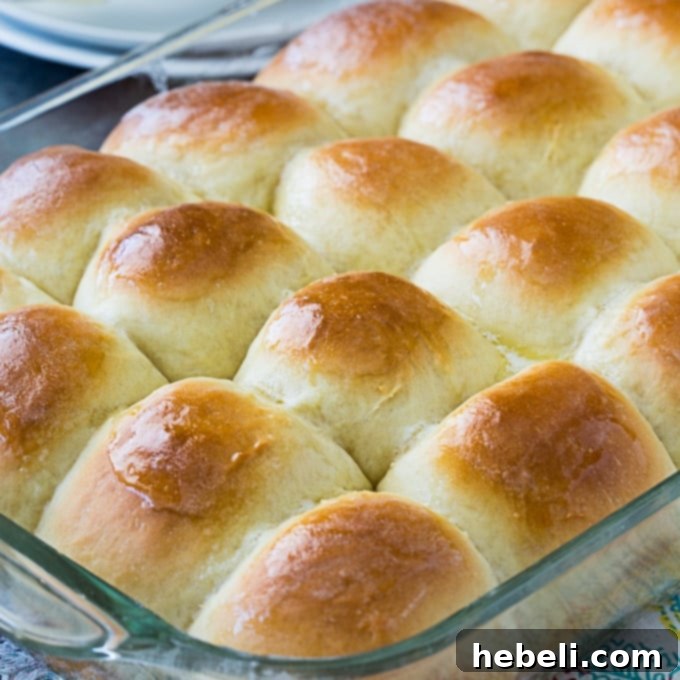
Unlock the Secret to The Best Homemade Yeast Rolls: Fluffy, Buttery, and Irresistible
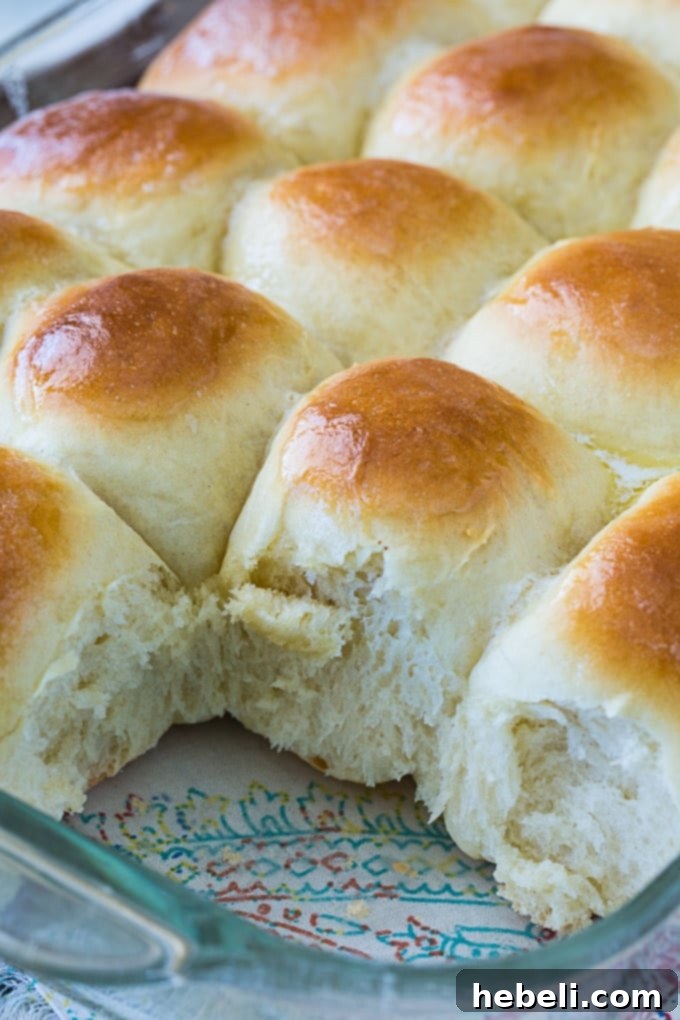
Imagine a basket of warm, pillowy soft rolls, golden-brown and boasting a delicate sweetness, ready to be slathered with melting butter. These aren’t just any rolls; this is the definitive recipe for the Best Yeast Rolls you will ever bake, turning out perfect every single time. With their ideal balance of richness and lightness, these homemade rolls are a phenomenal addition to any meal, from a cozy Sunday supper to an elegant holiday gathering. They are, without a doubt, an essential staple for your Thanksgiving table and beyond.
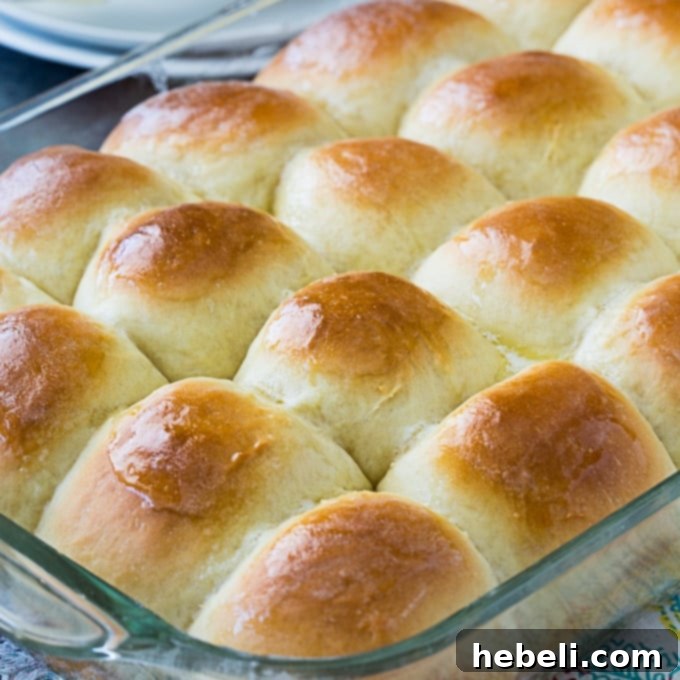
Every bite of these yeast rolls promises a delightful experience. They are incredibly buttery and light, with a perfectly golden crust that hints at the soft, tender interior. Despite their delicate texture, they’re sturdy enough to hold up to fillings, making them ideal for crafting charming mini sandwiches, especially with leftover holiday meats. Forget about bland, store-bought alternatives; once you’ve tasted these homemade marvels, there’s simply no comparison. While they do require a small investment of your time, the unparalleled flavor and fluffy texture make every moment spent in the kitchen utterly worthwhile. This truly is the recipe for the best yeast rolls, destined to become a cherished family favorite.
★★★★★
What Our Readers Are Saying
“Wonderful, wonderful, wonderful!! We had a houseful for a family reunion with several teenage boys. The rolls were such a hit but for one thing… I didn’t make enough!!! Next time I will know to make more per person.”
The Simple Magic Behind Perfect Yeast Rolls: Essential Ingredients
The beauty of these fluffy dinner rolls lies in their straightforward ingredients. This recipe utilizes classic dinner roll components: active dry yeast, all-purpose flour, rich butter, large eggs, whole milk, and just the right amount of granulated sugar. Each ingredient plays a crucial role in creating the ultimate yeast roll:
- Yeast: The star of the show, responsible for the incredible rise and airy texture. We’ll use active dry yeast, activated in warm water.
- Flour: All-purpose flour provides the structure. The key is to add just enough without making the dough too stiff.
- Butter & Eggs: These are the secret to the rolls’ luxurious richness and tender crumb. The fat from the butter and the protein from the eggs contribute to a wonderfully soft and moist interior that melts in your mouth.
- Milk: Whole milk adds moisture and a subtle sweetness, contributing to the rolls’ soft texture.
- Sugar: Not only does sugar add a delicate sweetness that balances the savory elements, but it also feeds the yeast, helping it to activate and produce that beautiful rise.
- Salt: Essential for flavor balance and also helps to control yeast activity.
Why Aren’t My Rolls Light and Fluffy? Common Pitfalls and How to Avoid Them
Nobody wants a dense, heavy roll. The goal is a light, airy, and pillowy texture that tears apart beautifully. If your homemade rolls aren’t turning out as light and fluffy as you’d hoped, here are some common reasons and how to fix them:
- Inactive or Old Yeast: This is perhaps the most common culprit. Yeast is a living organism, and if it’s too old or improperly stored (it prefers a cool, dark place), it won’t activate. Crucially, the liquid used to activate the yeast must be between 105°F and 115°F (40°C-46°C). If it’s too hot, you’ll kill the yeast; too cold, and it won’t wake up. Always check the expiration date on your yeast package and ensure it foams up when activated, indicating it’s alive and ready to work.
- Insufficient Rising Time: Patience is a virtue in yeast baking. The dough needs to approximately double in size during each rising period. Rising times are estimates and can vary based on your kitchen’s temperature and humidity. If your kitchen is cool, it will simply take longer. Don’t rush it; allow the dough to reach the full visual cue of doubled size before moving to the next step. An under-proofed dough will result in smaller, denser rolls.
- Adding Too Much Flour: It’s a common temptation to keep adding flour until the dough is no longer sticky. However, excess flour is the enemy of light rolls. Too much flour leads to a dry, stiff dough that won’t rise properly and will produce dense, dry, and often crumbly rolls. Aim for a dough that is slightly sticky but manageable. It should pull away from the sides of the bowl during kneading but still feel soft to the touch.
- Under-Kneading or Over-Kneading: Kneading develops the gluten structure, which traps the gases produced by the yeast, creating that airy texture. Under-kneading won’t develop enough gluten, leading to a weak structure and poor rise. Over-kneading, while less common with home mixers, can result in a tough dough because the gluten strands become too tight. Follow the recipe’s kneading times closely, whether by hand or with a stand mixer. The dough should become smooth and elastic.
- Cold Ingredients: Using very cold milk or eggs can slow down yeast activity considerably. While the recipe calls for warming the milk, ensuring your eggs are at room temperature will help them incorporate more smoothly into the dough and maintain a consistent temperature for optimal yeast performance.
Can I Freeze These Yeast Rolls? Make-Ahead Magic!
Absolutely! These homemade yeast rolls are perfect for making ahead and freezing, making your meal prep stress-free, especially around busy holidays. You have a couple of options for freezing:
- Freezing Unbaked Dough Balls: After shaping the dough into individual balls, place them on a baking sheet lined with parchment paper and freeze until solid. Once frozen, transfer the dough balls to an airtight freezer-safe bag or container. When ready to bake, remove the desired number of frozen rolls from the freezer at least 2-3 hours before you plan to serve them. Arrange them in a greased baking dish, cover loosely with plastic wrap, and let them thaw and rise in a warm place until doubled in size (this will take longer than fresh dough). Then, bake according to the recipe instructions.
- Freezing Baked Rolls: Bake the rolls completely and let them cool entirely on a wire rack. Once cooled, place them in a single layer in an airtight freezer-safe bag or container. They can be frozen for up to 2-3 months. To reheat, you can thaw them at room temperature and then warm them in a preheated oven at 300°F (150°C) for 10-15 minutes, or simply pop them into the microwave for a quick warm-up. Brushing with a little melted butter before reheating can help restore their fresh-baked flavor.
Want to save this recipe?
Enter your email to get this recipe sent directly to your inbox! Plus, you’ll receive new recipes from us every week!
(Please note: The interactive “Save Recipe” form has been removed to comply with the request to eliminate JavaScript. Please consider bookmarking this page or manually saving the ingredients and instructions.)
Tips for Making the Best Yeast Rolls Every Single Time
Achieving consistently perfect yeast rolls is easy with a few simple techniques. Here are our top tips to ensure your rolls are always incredibly light, fluffy, and delicious:
- Find a Warm Spot for Rising: Yeast loves warmth! If your kitchen is cool, don’t worry – your dough will still rise, it just might take a little longer. Great warm places include:
- On top of a running dryer (the warmth from the machine is perfect).
- In front of a sunny window.
- Inside a slightly warmed oven: Heat your oven to its lowest setting (around 200°F or 90°C) for just a couple of minutes, then turn it OFF. Place your dough in the oven with the door cracked open. The residual warmth creates a cozy environment for rising.
- Near a warm stove or radiator.
- Use a Thermometer for Liquids: Precision is key when activating yeast. A simple kitchen thermometer will ensure your milk mixture is no hotter than 115°F (46°C). This prevents killing the yeast while ensuring it’s warm enough to activate effectively.
- Don’t Rush the Rise: As mentioned, visual cues are more important than exact times. Let the dough double in size for both rises. If your dough is still not looking plump and airy after the recommended time, give it more time in its warm spot.
- Measure Flour Correctly: For accurate baking, spoon your flour into the measuring cup and then level it off with a straight edge. Scooping directly from the bag can compact the flour, resulting in too much flour and a dry dough.
- Brush with Butter: For an extra layer of flavor and a beautiful golden sheen, brush the tops of your freshly baked rolls with melted butter as soon as they come out of the oven. This adds moisture and irresistible richness.
- Invest in Quality Ingredients: Fresh yeast and good quality butter make a noticeable difference in the final product.
This recipe yields a generous 9×13-inch pan full of delicious rolls, making it perfect for feeding a crowd during a holiday meal or a large family gathering. This classic yeast roll recipe is so reliable and delicious, you’ll find yourself turning to it again and again.
Recommended Equipment for Effortless Baking
Having the right tools can make the process of baking these yeast rolls even more enjoyable and efficient:
- Electric Stand Mixer: My Kitchenaid Mixer is an indispensable kitchen workhorse. While it’s a bit of an investment, these machines are built to last a lifetime. My previous one, a wedding gift, served me faithfully for over 25 years before I recently upgraded to a beautiful new light blue model! It makes kneading dough a breeze.
- 9×13-inch Baking Dish: You’ll need a sturdy baking dish for rising and baking these rolls. I rely on my various Pyrex glass dishes constantly, not just for rolls but for countless other recipes.
- Instant-Read Thermometer: As mentioned, a quick and accurate thermometer is crucial for ensuring your liquids are at the perfect temperature for yeast activation.
More Delicious Dinner Roll Recipes to Explore
If you’ve fallen in love with homemade rolls, be sure to check out some of our other fantastic dinner roll recipes for more inspiration:
- Cheesy Garlic Skillet Rolls
- Poppy Seed Sausage Rolls
- Sweet Potato Cloverleaf Rolls
- Potato Rolls
- Buttery Herb Yeast Rolls
- Buttery Pan Rolls
Love this recipe? Pin it now to save for later!
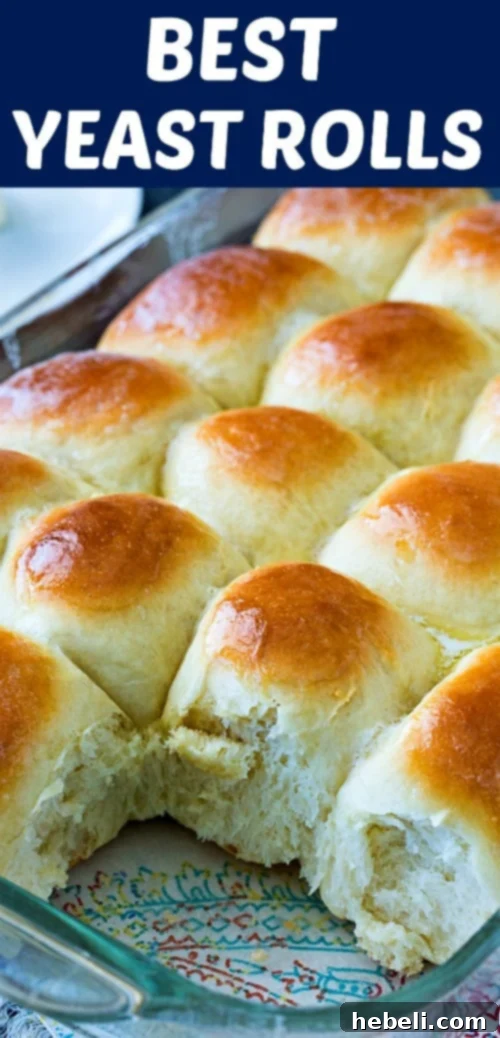
Don’t lose track of this amazing recipe! Pin the image below to your favorite Pinterest board so you can easily find it whenever you’re ready to bake.
Pin It to Pinterest
(Note: The original complex Pinterest button with JavaScript elements has been replaced with a simpler, static link as per instructions.)
The Best Yeast Rolls Recipe
★★★★★ 4.71 from 164 votes
Print Recipe
Equipment
-
Electric Stand Mixer
-
9×13-inch Baking Dish
-
Instant-Read Thermometer (for liquids)
Save this recipe to your inbox!
Get this sent to your email, plus receive new recipes from us every week!
(Note: This form is a static HTML representation and does not process submissions. In a live environment, it would connect to an email service.)
Ingredients
- 1/2 cup whole milk
- 1/2 cup granulated sugar
- 1/4 cup butter, melted
- 1 1/2 teaspoons salt
- 1/2 cup water (105°F to 115°F)
- 2 packages active dry yeast
- 2 large eggs, lightly beaten
- 4 1/2 cups all-purpose flour, you may need a little more or less
Instructions
-
In a small saucepan, gently heat the milk until it just begins to simmer, then immediately remove it from the heat. Stir in the sugar, melted butter, and salt until dissolved. Allow this mixture to cool to lukewarm. It’s crucial that the temperature is no hotter than 115°F (46°C) to protect the yeast.
-
In a separate bowl or measuring cup, combine the warm water (105°F to 115°F) and the active dry yeast. Let this mixture sit for 5-10 minutes until it becomes foamy, indicating the yeast is active.
-
Pour the activated yeast mixture into the bowl of your electric stand mixer. Add the cooled milk mixture, the lightly beaten eggs, and 2 cups of the all-purpose flour. Using the paddle attachment, beat on low speed until all ingredients are well combined and smooth.
-
Gradually add the remaining 2 1/2 cups of flour, one cup at a time, mixing thoroughly after each addition. You may not need all of the flour; stop adding when the dough begins to pull away from the sides of the bowl but is still soft and slightly sticky.
-
Knead the dough: If using a stand mixer, switch to the dough hook attachment and knead on speed 2 for about 7-8 minutes, until the dough is smooth and elastic. Alternatively, you can knead the dough by hand on a lightly floured surface for 8 to 10 minutes. A combination works well too: knead with the dough hook for 5 minutes, then finish by hand for a few minutes to get a feel for the dough’s texture.
-
Lightly butter a large bowl. Place the kneaded dough ball into the bowl, then turn it once to coat all sides with butter. Cover the bowl snugly with a clean kitchen towel or plastic wrap. Place the bowl in a warm spot (refer to our tips above!) and let the dough rise for approximately 1 hour, or until it has doubled in size.
-
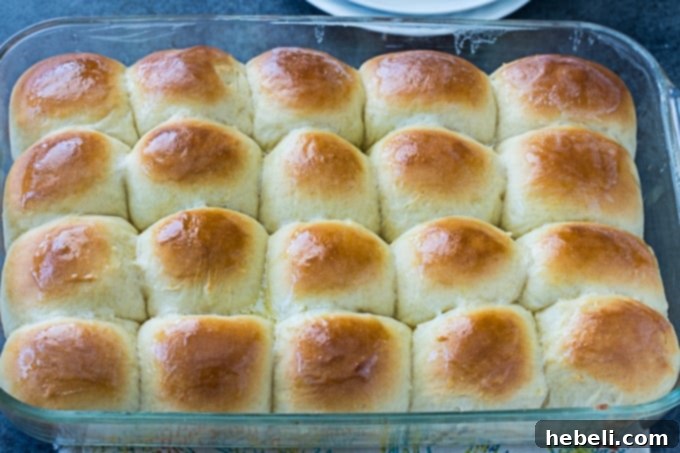
Once doubled, gently punch the dough down to release the air. Divide the dough into approximately 20 equal balls, each about 2 to 3 tablespoons in size. Arrange these dough balls evenly in a greased 9×13-inch baking pan (we typically do 5 rows with 4 rolls in each). Cover the pan again and let the rolls rise in a warm place for another 1 hour, or until they look puffy and have nearly doubled in size.
-
About 10-15 minutes before the second rise is complete, preheat your oven to 375°F (190°C).
-
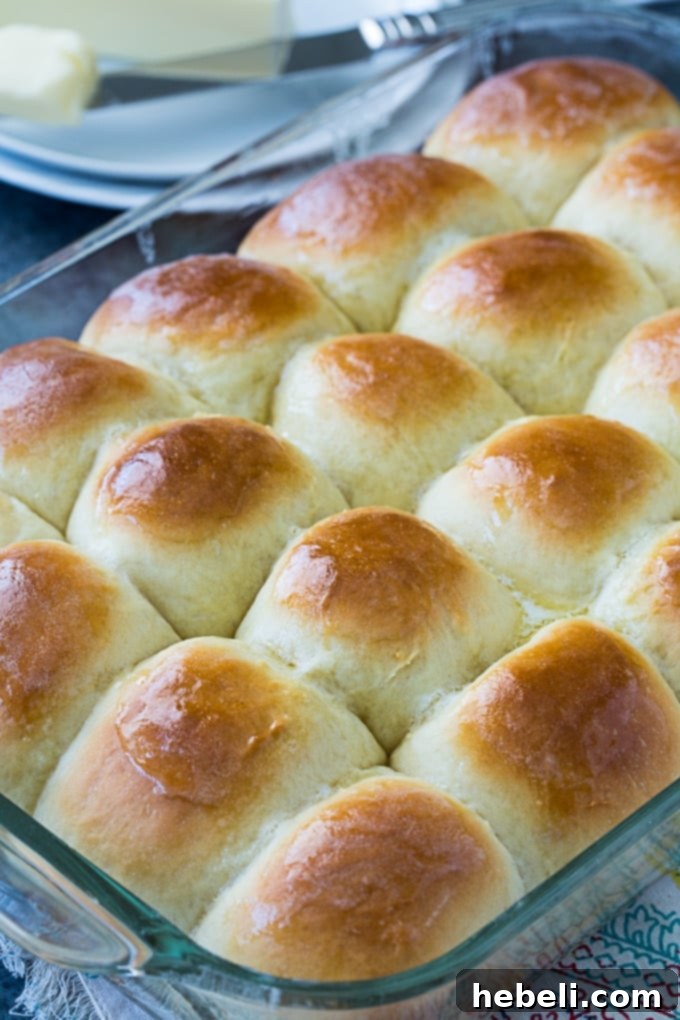
Bake the rolls for 20 to 25 minutes, or until their tops are beautifully golden brown. As soon as they come out of the oven, brush the tops of the hot rolls generously with melted butter. Serve warm and enjoy!
Video Tutorial
(Note: The original AdThrive video player has been replaced with a generic YouTube embed for demonstration purposes, to remove JavaScript. Please replace `video_id_if_available` with the actual YouTube video ID if known and publicly embeddable.)
Nutrition information is automatically calculated and should only be used as an approximation. Actual values may vary.
Did you make this recipe?
We’d love to see your creations! Leave a comment below and tag us @spicysouthernkitchen on your favorite social media platforms!
Recipe Source: Adapted from Fleischmann’s classic recipe.
Disclosure: This post contains affiliate links, meaning we may earn a small commission if you make a purchase through our links, at no extra cost to you.