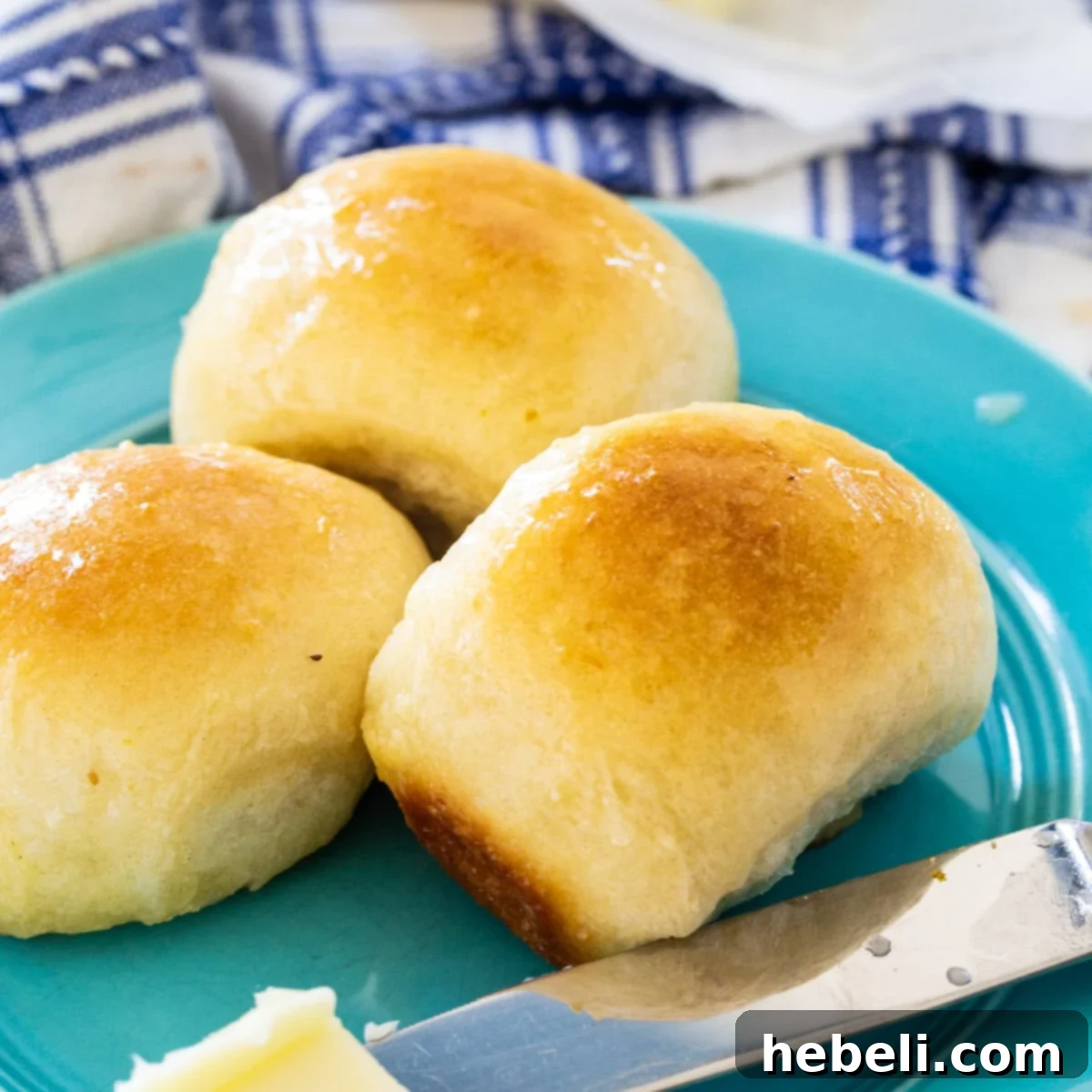
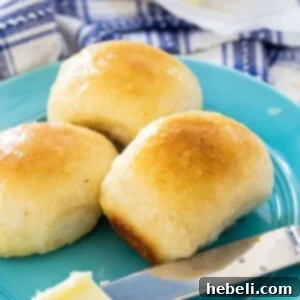
There’s nothing quite like the comforting aroma and taste of freshly baked bread, and these Buttery Pan Rolls are no exception. Baking up golden and irresistibly buttery, with a subtle hint of sweetness, they embody the very essence of homemade goodness. The unparalleled flavor of warm, tender rolls straight from the oven is truly a culinary delight that store-bought alternatives simply cannot match.
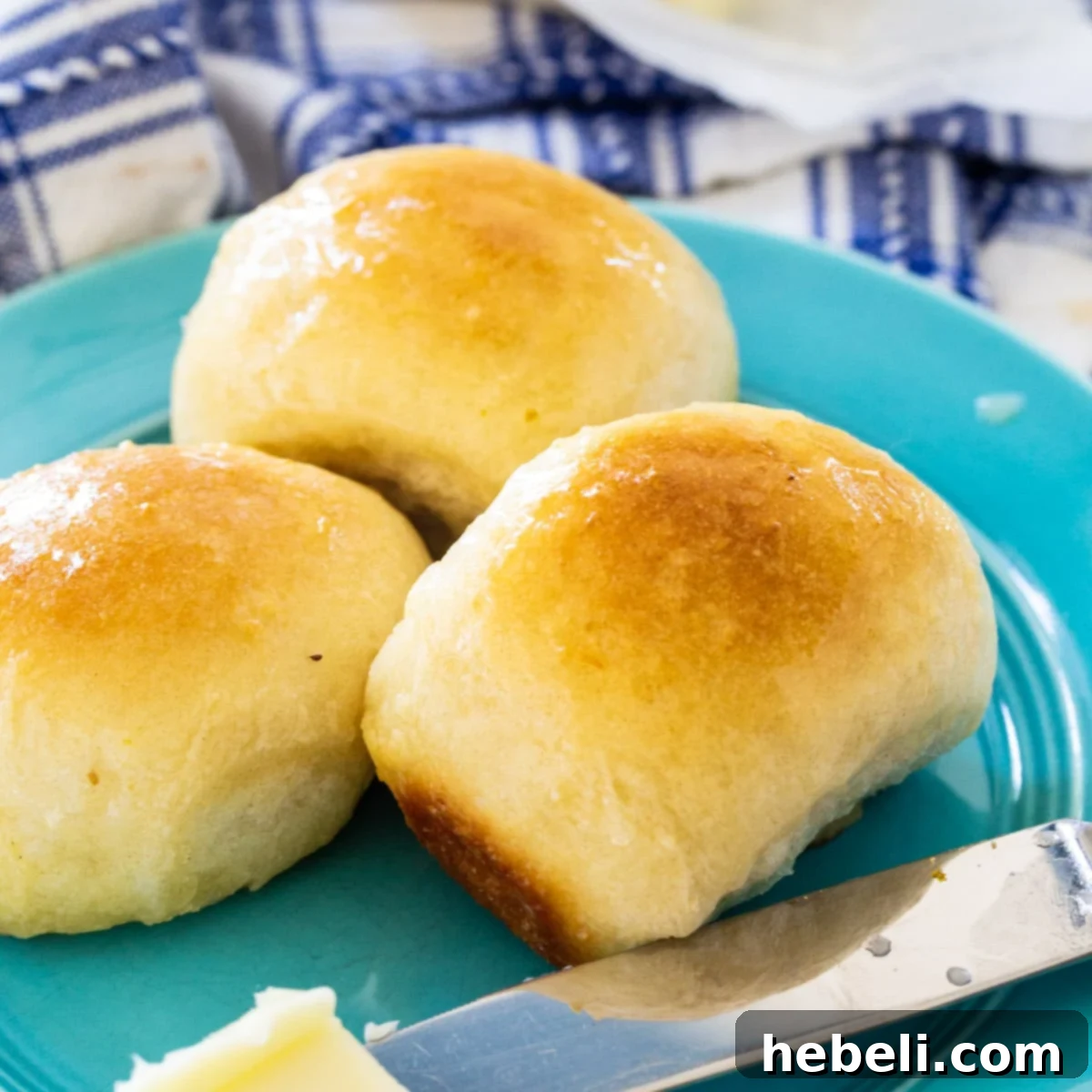
While mastering these delightful rolls requires a bit of hands-on kneading and patience through two crucial rise times, every moment spent in the kitchen is profoundly rewarding. The generous amount of butter incorporated into the dough, coupled with a final luxurious brush of melted butter straight out of the oven, ensures an unbelievably rich and moist result. These aren’t just rolls; they’re a celebration of buttery perfection, destined to become a staple in your recipe collection.
Bake the Best Buttery Pan Rolls: Your Guide to Fluffy Homemade Perfection
Embark on a culinary journey to create the most exquisite Buttery Pan Rolls. This comprehensive guide will walk you through every step, ensuring your homemade dinner rolls are consistently golden, soft, and bursting with buttery flavor. Perfect for family dinners, holiday feasts, or simply enjoying a warm treat, these rolls are sure to impress.
The Magic of Homemade Rolls: Why Bake From Scratch?
In a world of convenience, the act of baking bread from scratch might seem daunting, but the rewards are immeasurable. Homemade Buttery Pan Rolls offer a distinct advantage over their store-bought counterparts. First, there’s the incredible freshness; the aroma alone is enough to transform your kitchen into a cozy haven. Second, you have complete control over the ingredients, ensuring quality and avoiding unnecessary additives. Most importantly, there’s an immense sense of satisfaction and pride in serving something you’ve lovingly created with your own hands. The texture—soft, airy, yet substantial—and the depth of flavor are simply unparalleled.
Our Buttery Pan Rolls stand out with their unique balance of savory richness and a subtle sweetness. This delicate equilibrium makes them incredibly versatile, complementing a wide array of dishes without overpowering them. The golden crust, achieved through careful baking, gives way to an interior that practically melts in your mouth, thanks to the generous infusion of butter. This recipe is designed to demystify yeast baking, making it accessible and enjoyable for bakers of all skill levels, promising a delicious outcome every time.
Essential Ingredients for Irresistible Rolls
Crafting the perfect Buttery Pan Rolls begins with understanding the role of each ingredient:
- All-Purpose Flour: The foundation of our rolls. Using a good quality all-purpose flour provides the right protein content for developing gluten, resulting in a tender yet structured crumb.
- Granulated Sugar: Not just for sweetness, sugar acts as food for the yeast, helping it activate and providing that beautiful golden-brown crust. It also contributes to the rolls’ soft texture and delicate flavor.
- Salt: Essential for flavor balance, salt also helps control yeast activity and strengthens the gluten structure, ensuring your rolls have a good rise and chew.
- Active Dry Yeast: The living leavening agent responsible for making your rolls light and fluffy. Fresh yeast is paramount; always check the expiration date!
- Whole Milk: Contributes richness, moisture, and aids in browning. The fat in whole milk tenderizes the crumb, making the rolls incredibly soft.
- Water: Helps activate the yeast and balances the richness of the milk, ensuring the dough has the right consistency for kneading.
- Butter: The star ingredient! Used both in the dough for flavor and tenderness, and brushed on top after baking for that signature glossy, buttery finish. The quality of your butter will genuinely shine through in the final product.
Mastering the Dough: Kneading and Rising for Perfection
The journey to perfect Buttery Pan Rolls involves two critical stages: kneading and rising. These steps are where the magic truly happens, transforming simple ingredients into a delectable dough.
The Art of Kneading
Kneading is crucial for developing the gluten in the flour, which gives the rolls their structure and chewiness. When you knead, you’re essentially stretching and aligning the gluten strands. This process can be done by hand, which is a wonderful tactile experience, or with an electric stand mixer fitted with a dough hook, which makes the job significantly easier. Aim for 8 to 10 minutes of kneading until the dough is smooth, elastic, and no longer sticky. A properly kneaded dough will bounce back when gently pressed.
To ensure your dough is perfectly kneaded, perform the “windowpane test.” Gently pull off a small piece of dough (about the size of a golf ball) and slowly stretch it between your fingers. If you can stretch it thin enough to see light pass through without the dough tearing, you’ve successfully developed the gluten. If it tears easily, continue kneading for a few more minutes and test again.
The Crucial Rise Times
Yeast needs warmth and time to work its magic. Our Buttery Pan Rolls recipe calls for two distinct rise times, each essential for achieving that light, airy texture:
- First Rise (Bulk Fermentation): After kneading, the dough is placed in a greased bowl, covered, and allowed to rise until it has doubled in bulk. This typically takes about 60 to 90 minutes, depending on the warmth of your kitchen. This first rise allows the yeast to produce carbon dioxide, creating air pockets and developing flavor.
- Second Rise (Proofing): After shaping the rolls and placing them in the baking dishes, they undergo a second, shorter rise. This “proofing” stage allows the rolls to become even lighter and airier, ensuring a tender crumb once baked. This usually takes 45 to 60 minutes, or until the rolls have visibly doubled in size. Do not rush this step, as under-proofed rolls will be dense, while over-proofed rolls might collapse.
Patience during these rising stages is truly a virtue, contributing immensely to the final texture and flavor of your incredible homemade rolls.
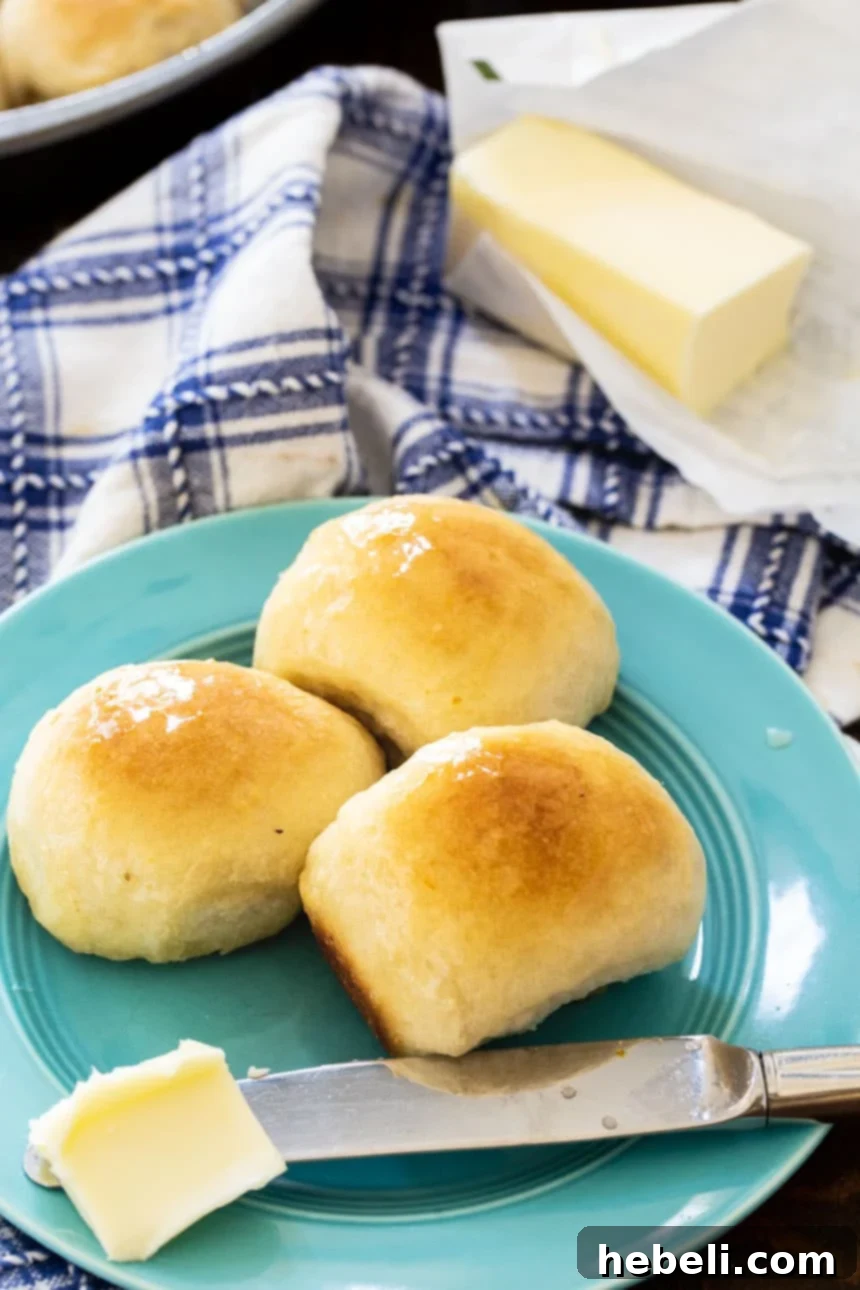
When these golden delights emerge from the oven, their warm, buttery aroma will test your self-discipline. It’s a genuine challenge not to indulge in several at once, but trust us, every bite is worth the wait.
Serving Suggestions for Buttery Pan Rolls: Elevate Any Meal
These soft, slightly sweet, and utterly buttery homemade rolls are incredibly versatile and perfect for enhancing any meal, from a casual family dinner to a grand holiday feast.
- Classic Dinner Companion: They are an ideal accompaniment to any main course. I particularly love serving them alongside a hearty roast, whether it’s succulent beef or tender pork. Their ability to soak up rich gravies and pan juices is simply divine.
- Holiday Table Essential: Buttery Pan Rolls are a guaranteed crowd-pleaser and have earned a permanent spot on our Thanksgiving table, bringing warmth and tradition to the festive spread. They are equally welcome at Christmas, Easter, or any special gathering.
- Creative Leftovers: Don’t let any leftover rolls go to waste! Slice them in half and transform them into delightful mini sandwiches. Fill them with thinly sliced ham, roast beef, or even turkey for a quick lunch or a charming party appetizer. A smear of Dijon mustard or a dollop of cranberry sauce can elevate these mini creations.
- Breakfast Bliss: For a sweet start to the day, halve and toast leftover rolls. Serve them warm with your favorite jam, honey, or a rich fruit compote. They also make a fantastic base for small breakfast sliders with egg and cheese.
- Soup & Stew Partner: Their soft texture and buttery flavor make them perfect for dipping into comforting bowls of soup, chili, or stew. They provide a wonderful contrast and absorb all the delicious broths.
No matter how you choose to serve them, these Buttery Pan Rolls are designed to bring joy and comfort to the table.
Expert Tips for Flawless Buttery Pan Rolls Every Time
Achieving perfect homemade rolls is simple when you follow a few key guidelines:
- Temperature Control is Key: When combining your milk, water, and butter, ensure the mixture cools down to between 115 to 125 degrees Fahrenheit (46-52°C) before adding it to your dry ingredients with the yeast. If the liquid is too hot, it will kill the yeast, preventing your dough from rising. If it’s too cold, the yeast won’t activate properly. A kitchen thermometer is your best friend here.
- Fresh Yeast Makes a Difference: Always check the expiration date on your active dry yeast packet. Old or inactive yeast is the most common reason for dough failing to rise. Store yeast in an airtight container in the refrigerator or freezer for extended shelf life.
- Don’t Skimp on Kneading: As discussed earlier, proper kneading develops gluten, which is vital for the structure and texture of your rolls. The “windowpane test” is your ultimate indicator that the dough has been kneaded sufficiently. Aim for a smooth, elastic dough that stretches without tearing easily.
- The Warmth of the Rise: For optimal rising, place your covered dough in a warm, draft-free spot. This could be a slightly warmed oven (turned off!), near a sunny window, or in a proofer if you have one. Consistent warmth helps the yeast thrive.
- Grease Generously: Ensure your mixing bowl for the first rise and your baking dishes for the second rise are thoroughly greased. This prevents the dough from sticking and helps the rolls release easily after baking, while also contributing to a lovely golden crust.
- The Final Brush of Butter: Don’t forget to brush the freshly baked, hot rolls with any leftover melted butter. This not only enhances the flavor but also gives them a beautiful sheen and incredibly soft crust.
Explore More Homemade Roll Recipes
- Potato Rolls
- Pocketbook Rolls
- Whole Wheat Molasses Rolls
- The Best Yeast Rolls
- Buttery Herb Yeast Rolls
Buttery Pan Rolls Recipe
20 mins
15 mins
2 hrs
35 mins
24
Print Recipe
Equipment
-
Electric Stand Mixer
Ingredients
- 5 ½ cups all-purpose flour, divided
- ¼ cup granulated sugar
- 2 teaspoons salt
- 1 packet active dry yeast (recommended brand)
- 1 ½ cups whole milk
- ½ cup water
- ½ cup butter, divided
Instructions
- Whisk together 3 cups of flour, granulated sugar, salt, and active dry yeast in the bowl of an electric stand mixer.
- In a medium saucepan, combine the whole milk, water, and ¼ cup of butter. Heat over medium heat until the butter is completely melted and the mixture reaches a temperature between 115 to 125 degrees Fahrenheit (46-52°C). Ensure it’s not too hot to kill the yeast.
- With your mixer set to LOW speed (using the paddle attachment initially), gradually add the cooled milk mixture to the flour mixture. Once fully incorporated, increase the mixer speed to HIGH and mix for 1 minute to activate the gluten.
- Switch the mixer back to LOW speed and gradually add the remaining 2 ½ cups of all-purpose flour until a soft, shaggy dough forms.
- Transfer the dough onto a lightly floured surface. Knead the dough vigorously for 8 to 10 minutes until it becomes smooth, elastic, and passes the “windowpane test.” Place the kneaded dough into a large, well-greased bowl (using vegetable oil or softened butter), turning the dough once to ensure it’s fully coated.
- Cover the bowl with plastic wrap or a clean kitchen towel and let the dough rise in a warm, draft-free place until it has doubled in bulk, approximately 60 to 90 minutes.
- Once doubled, gently punch the dough down to release the air and let it rest for 10 minutes. While it rests, melt the remaining ¼ cup of butter.
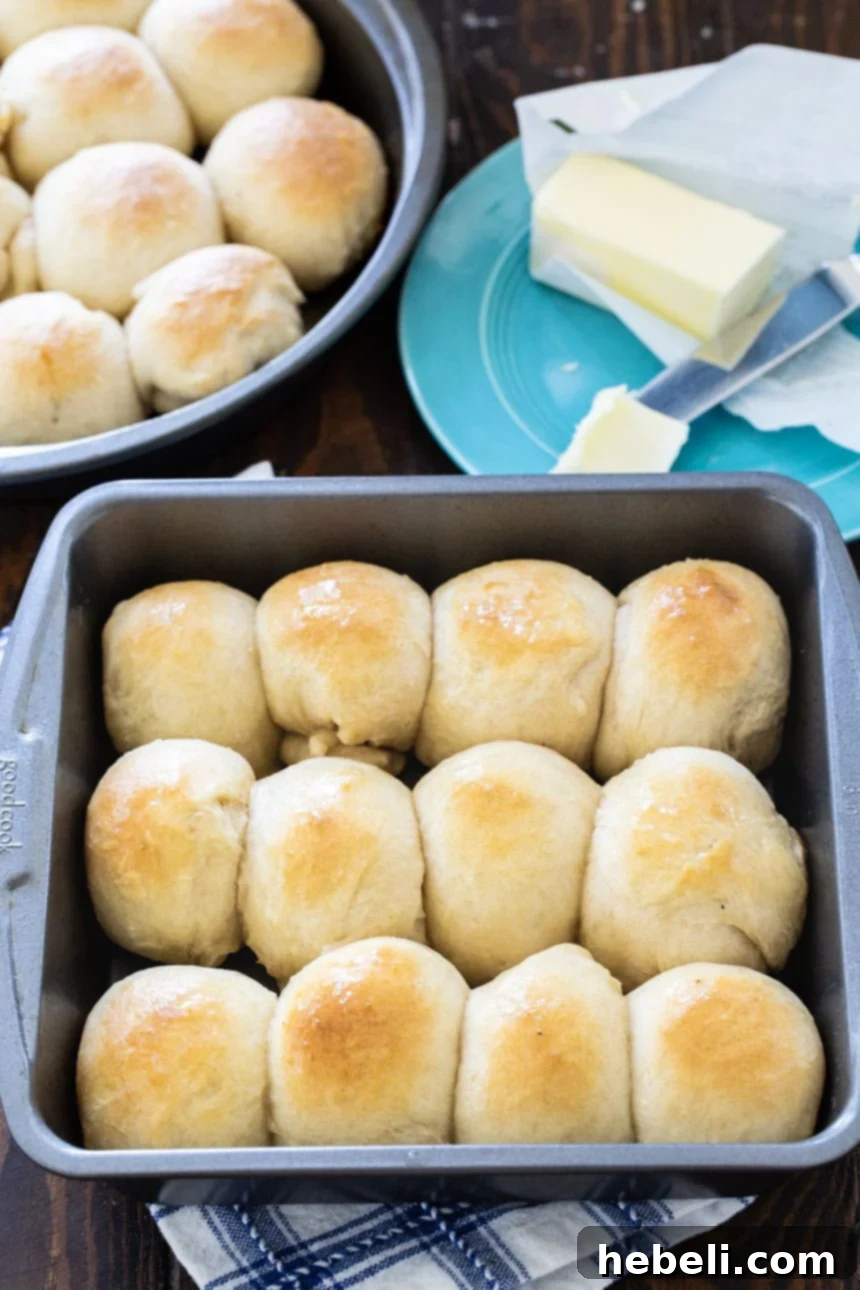
- Pinch off small pieces of the rested dough, shaping them into smooth balls about 1 ½ inches in diameter. Dip each dough ball into the melted butter, ensuring it’s well coated. Arrange the buttered dough balls evenly in two greased 9-inch baking dishes.
- Cover the baking dishes and let the rolls rise again in a warm, draft-free place until they have doubled in size, which typically takes about 45 to 60 minutes.
- Preheat your oven to 375 degrees Fahrenheit (190°C). Bake the risen rolls for 15 minutes, or until their tops are beautifully golden brown. Immediately upon removing them from the oven, brush any remaining melted butter over the tops of the hot rolls for an extra boost of flavor and shine.
Notes
Remember to knead the dough long enough to pass the “windowpane test.” You should be able to stretch a small piece of dough very thin, almost transparent, without it breaking apart. This indicates sufficient gluten development for light, airy rolls.
Nutrition
Nutrition information is automatically calculated and should be used as an approximation.
Did you make this recipe?
Share your creation! Leave a comment below and tag us @spicysouthernkitchen on social media! We’d love to see your delicious Buttery Pan Rolls.

Disclosure: This post contains affiliate links, meaning we may earn a small commission if you make a purchase through them, at no extra cost to you.