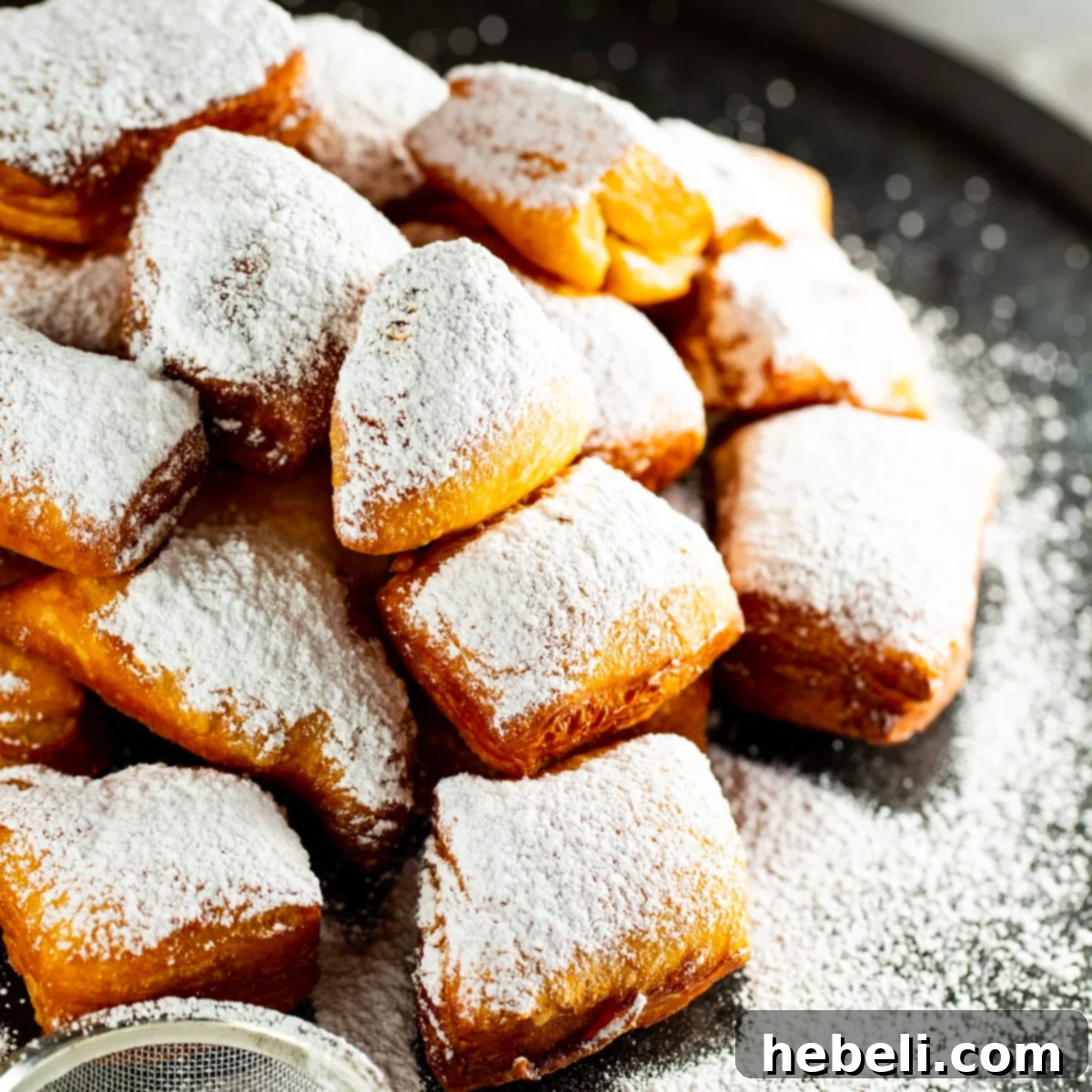
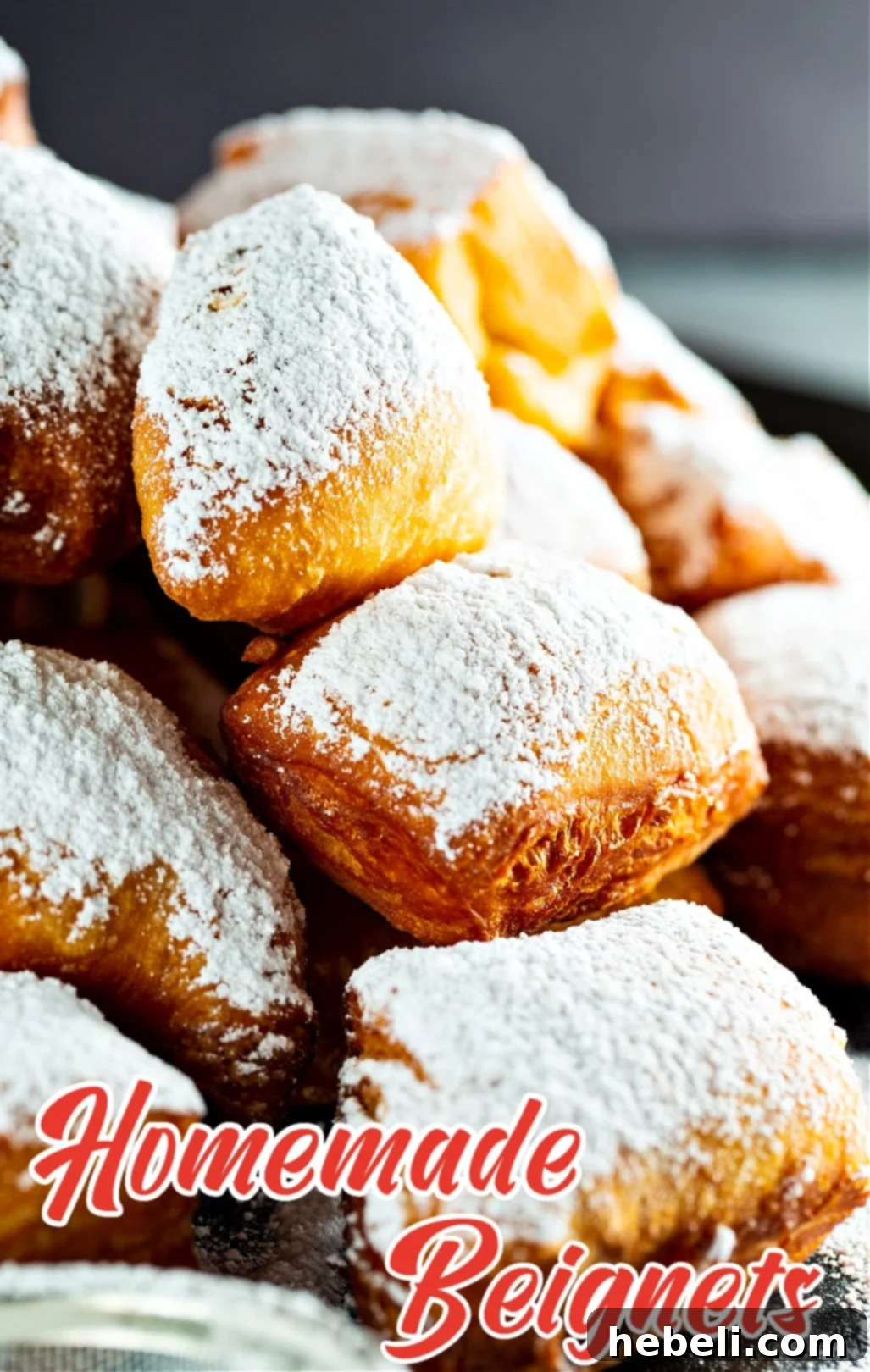
Bring the magical taste of New Orleans straight into your kitchen with this incredibly easy and authentic Homemade Beignets recipe. Get ready to experience pure culinary joy!
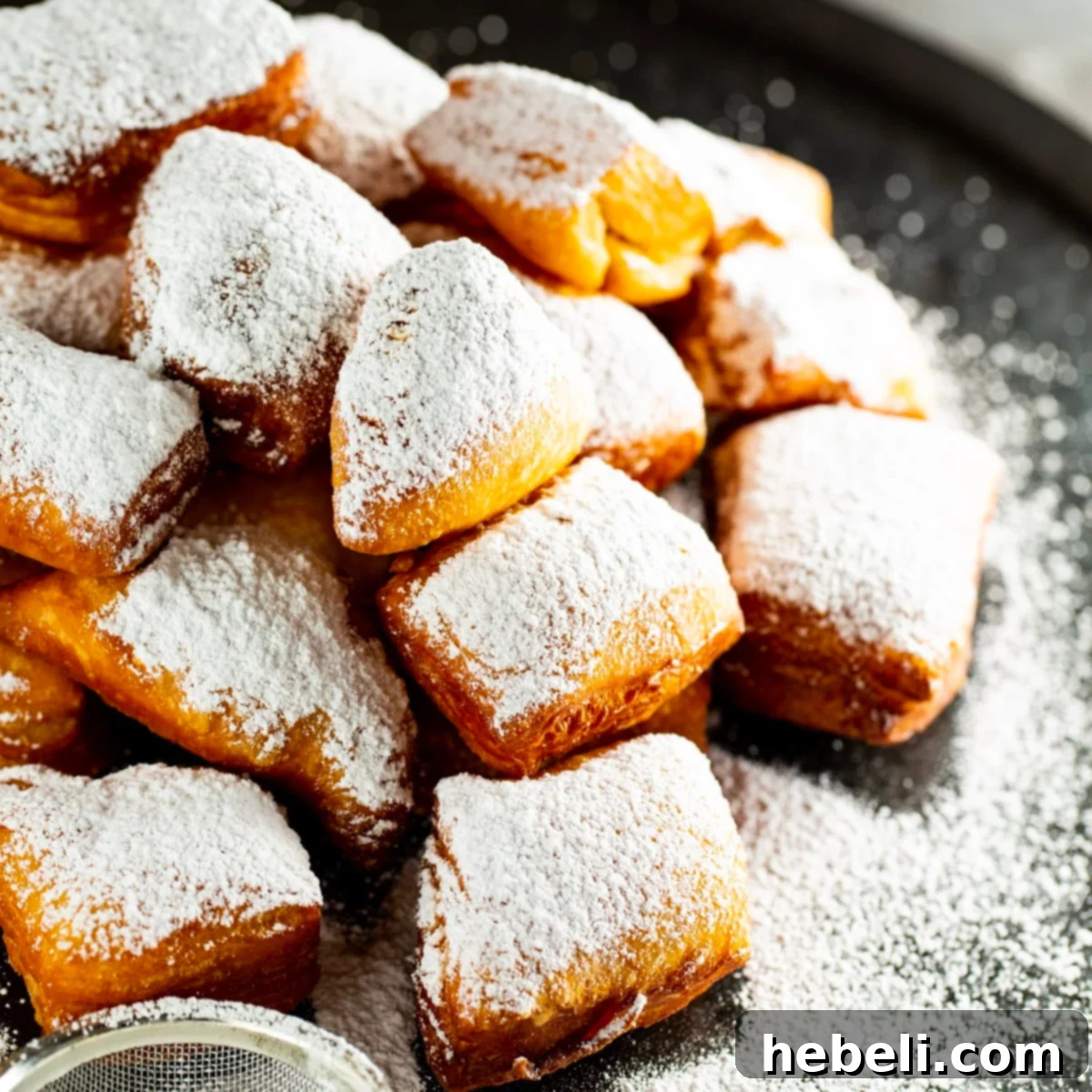
Yearning for the iconic, pillowy deep-fried dough covered in a generous dusting of powdered sugar? You don’t need a trip to the French Quarter to satisfy that craving. This comprehensive guide and recipe will empower you to create authentic New Orleans Beignets right in the comfort of your home. They are surprisingly simple to make and promise a delightful experience, whether served for breakfast, as a sweet snack, or a decadent dessert.
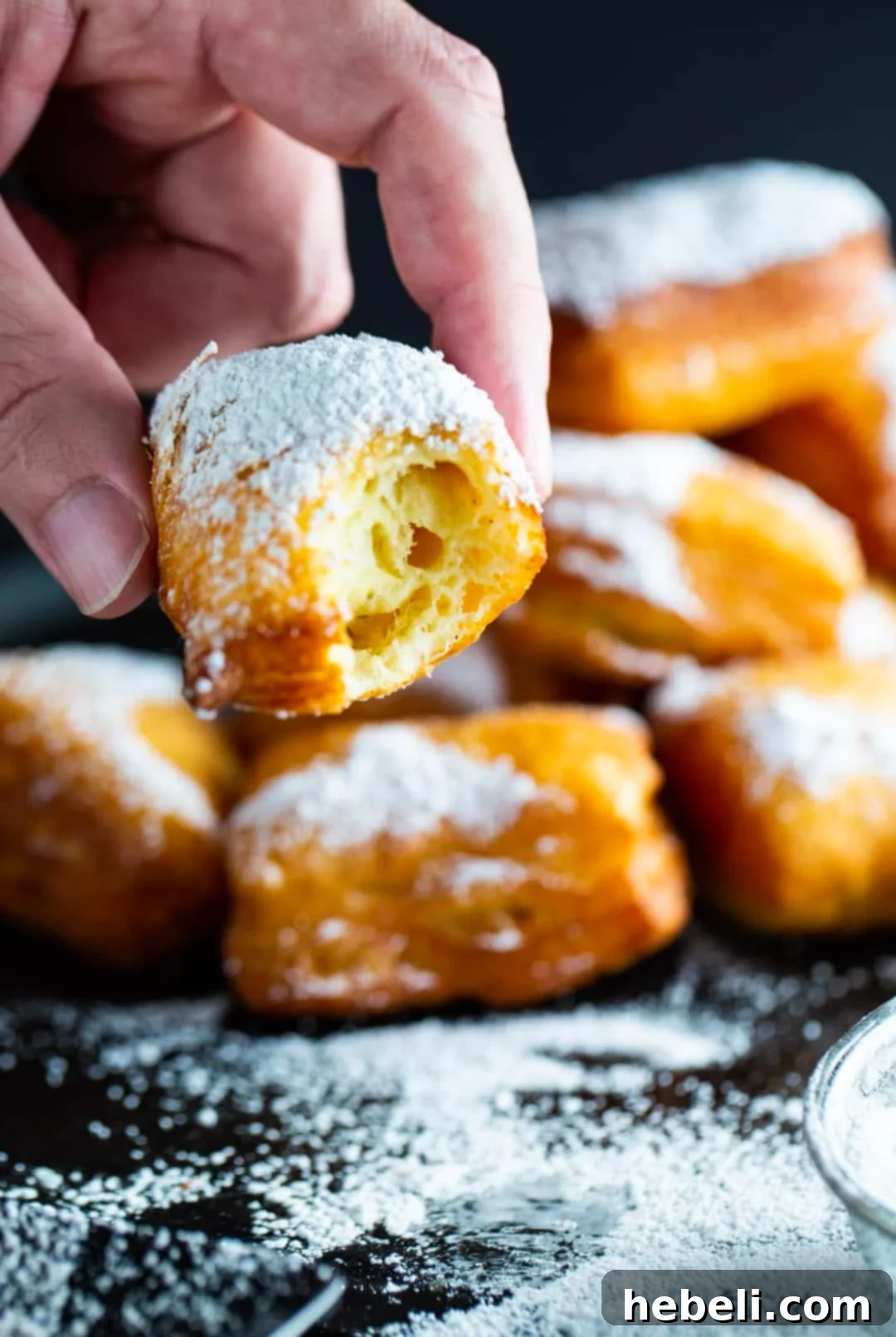
Imagine biting into a warm, fluffy beignet, its delicate crisp exterior giving way to a soft, airy interior, perfectly complemented by a cloud of sweet confectioners’ sugar. The aroma alone is enough to transport you to the vibrant streets of Louisiana. And the best part? These culinary treasures are especially heavenly when paired with a steaming cup of strong coffee or a classic cafe au lait.
Having lived in the heart of New Orleans, I developed an undeniable love affair with beignets. It’s truly a challenge to find someone who doesn’t adore them! Upon moving to South Carolina, I quickly realized that authentic beignets were a rarity. This scarcity sparked a mission: to master the art of making them at home. What I discovered was a straightforward process that yields results so divine, they rival even the most famous establishments.
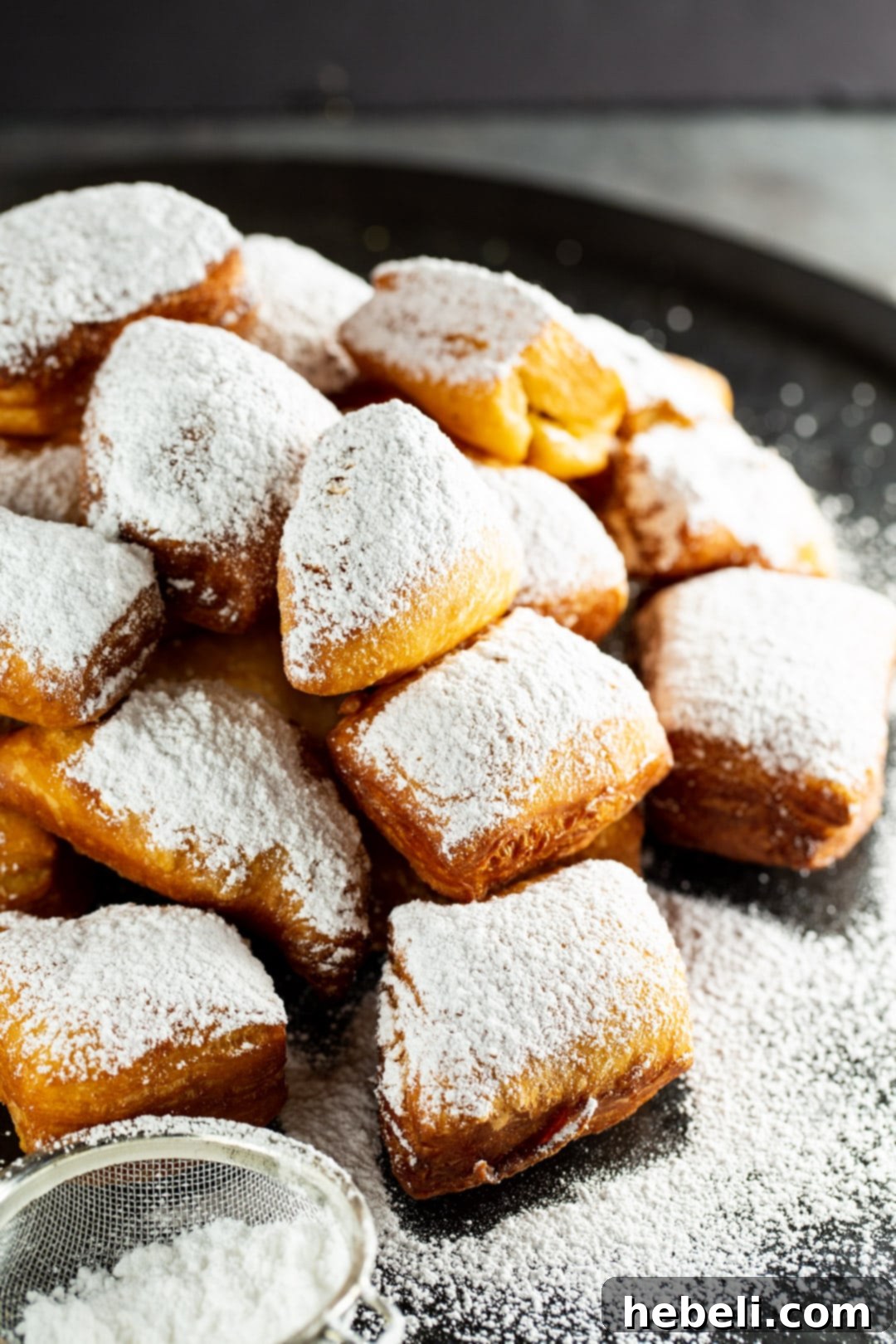
What Exactly Are New Orleans Beignets?
At their core, beignets (pronounced “ben-yays”) are a type of square-shaped, deep-fried choux pastry, or more commonly, a yeast-risen dough, generously coated in powdered sugar. They are a staple of Creole cuisine and a quintessential New Orleans experience. The history of beignets in New Orleans traces back to the 18th century, brought by French colonists. Over time, they evolved into the iconic, delightful pastry we know and love today, becoming an indispensable part of the city’s culinary landscape.
Unlike some lighter doughnuts, beignets boast a unique chewy-yet-airy texture, often described as “pillowy.” Their simplicity is part of their charm – a few basic ingredients transformed into something truly extraordinary. While traditionally served hot and fresh, dusted with an almost extravagant amount of powdered sugar, their rich flavor and comforting warmth make them a universally beloved treat.
Why You’ll Love This Homemade Beignets Recipe
This particular Homemade Beignets recipe, slightly adapted from a renowned culinary personality, delivers an unmatched taste and texture. It’s designed to give you that authentic French Quarter flavor right in your own kitchen. One key advantage of this recipe is its flexibility: the dough benefits greatly from being prepared a day in advance, allowing for a deeper flavor development and making your morning frying session incredibly quick. Just remember to plan ahead for the rising time!
Be forewarned: this recipe yields a generous batch of beignets – perfect for feeding a crowd or ensuring you have plenty of leftovers (though they are best enjoyed fresh, as we’ll discuss later). If you’re cooking for a smaller group, feel free to halve the recipe. And when it comes to the powdered sugar, don’t be shy! A lavish dusting is not just traditional; it’s essential for the full beignet experience.
Many who try this recipe claim these homemade beignets surpass even those from famous New Orleans establishments. Prepare yourself for fluffy, golden perfection that might just become your new favorite treat!
If you’re pressed for time but still crave that beignet essence, consider trying our quick and easy Biscuit Beignets for a delicious alternative.
Community Endorsement
Wilna shares: “I am absolutely thrilled to have this Beignets recipe. They are truly wonderful and taste exactly like I remember them from New Orleans. Thank you so much!” ⭐⭐⭐⭐⭐
How to Make Authentic Homemade Beignets
Crafting these delectable treats is simpler than you might imagine. Follow these detailed steps to achieve beignet bliss at home.
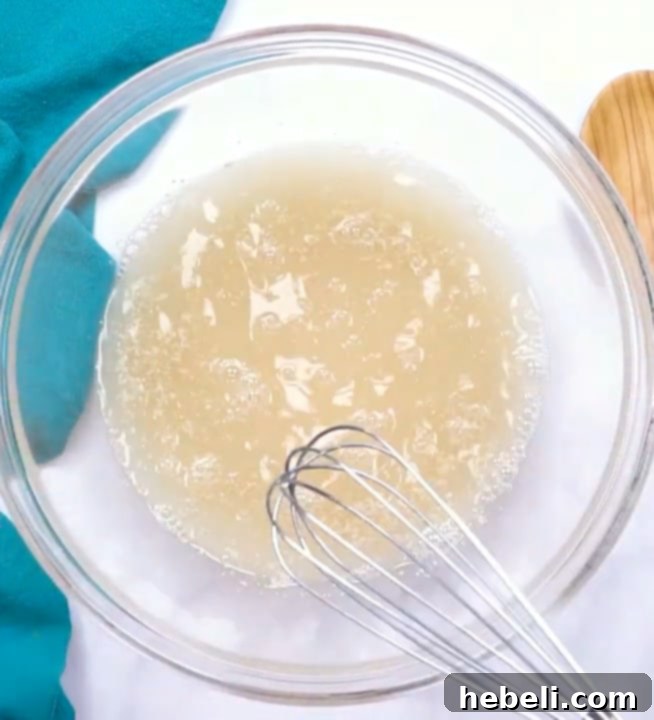
- Activate the Yeast. In a large mixing bowl, combine the lukewarm water, granulated sugar, and active dry yeast. Stir gently and let this mixture sit for about 10 minutes. This crucial step allows the yeast to activate, forming a foamy layer on top, which indicates it’s alive and ready to make your beignets light and airy. Ensure the water is truly lukewarm – too hot, and it will kill the yeast; too cold, and it won’t activate properly.
- Prepare the Liquid Ingredients. In a separate medium-sized bowl, whisk together the slightly beaten eggs, salt, and evaporated milk until well combined. The evaporated milk adds a richness and tenderness to the dough that is characteristic of authentic beignets.
- Combine Mixtures. Pour the egg and milk mixture into the activated yeast mixture. Stir thoroughly to ensure all ingredients are evenly incorporated.
- Form the Dough. Gradually add 3 cups of bread flour to the wet ingredients, stirring until a shaggy dough forms. A sturdy wooden spoon works wonderfully for this. Next, add the shortening and the remaining bread flour. Continue mixing until all the flour is integrated and the shortening is well distributed. You’ll notice the dough starting to come together.
- Knead and Rise. Turn the dough out onto a lightly floured surface. Knead the dough for approximately 5-7 minutes, or until it becomes smooth and elastic. This develops the gluten, which is essential for the beignets’ chewy texture. Lightly oil a large bowl, place the kneaded dough inside, and turn it once to coat. Cover the bowl tightly with plastic wrap and let it rise in a warm place for at least 2 hours, or for best results, refrigerate it overnight. Overnight chilling develops a deeper flavor and makes the dough easier to handle.
- Roll and Cut. Once the dough has risen (or chilled), gently punch it down to release the air. On a lightly floured surface, roll the dough out to an even 1/4-inch thickness. Using a pizza cutter or a sharp knife, cut the dough into approximately 2-inch squares. Uniform size ensures even frying.
- Fry to Golden Perfection. In a large Dutch oven or heavy-bottomed pot, pour about 3 inches of vegetable oil. Heat the oil to 350°F (175°C). It’s crucial to use a deep-frying thermometer to maintain this temperature; consistency is key for perfectly cooked beignets that aren’t greasy. Carefully drop 4-5 dough squares into the hot oil at a time, being careful not to overcrowd the pot. Fry them, continuously flipping, until they are beautifully golden brown on all sides, usually about 1-2 minutes per side.
- Dust and Serve. Remove the fried beignets with a slotted spoon or spider, and drain them briefly on paper towels to absorb any excess oil. While still warm, transfer them to a serving platter and generously dust them with confectioners’ sugar. The warmth of the beignets will help the sugar adhere. Serve immediately for the ultimate experience!
Make-Ahead Magic: Dough for 3 Days
One of the best features of this recipe is the make-ahead dough. After its initial rise, the dough can be stored in the refrigerator for up to 3 days. This means you can enjoy fresh, warm beignets on demand for several days without the full preparation time each morning. Simply pull out a portion of the dough, let it come to room temperature for about 30 minutes, then roll, cut, and fry. It’s the ultimate convenience for a truly special breakfast or dessert.
How to Store Beignets and Ensure Freshness
Unfortunately, beignets are best enjoyed moments after they are fried. Their light, airy texture and delicate crispness diminish quickly upon cooling. For this reason, it’s highly recommended to only fry the amount of dough you plan to eat immediately. Store the remaining dough in the refrigerator as described above, ensuring you can have fresh batches whenever the craving strikes.
If you do find yourself with leftover fried beignets, they can be stored in an airtight container at room temperature for a few hours. However, they will lose much of their original charm. Reheating in a very hot oven for a few minutes can sometimes revive them slightly, but they won’t quite replicate the fresh-from-the-fryer experience.
Essential Recipe Tips for Perfect Beignets
Achieving beignet perfection is easy with these helpful tips:
- Yeast Activation Temperature: Always ensure your water is lukewarm, ideally between 105°F and 115°F (40°C-46°C). Water that’s too hot will kill the yeast, preventing the dough from rising. Too cold, and the yeast won’t activate efficiently.
- Oil Temperature Control: A deep-frying thermometer is your best friend here. Maintain the oil temperature precisely at 350°F (175°C). If the oil is too cool, the beignets will absorb excess oil, resulting in a greasy, heavy pastry. If it’s too hot, they’ll brown too quickly on the outside, leaving the inside undercooked.
- Don’t Overcrowd the Pot: Fry only a few beignets at a time (4-5 is usually ideal). Overcrowding the pot will drop the oil temperature significantly, leading to undesirable results.
- Generous Powdered Sugar: Don’t skimp on the confectioners’ sugar! A thick, snowy layer is part of the classic beignet experience. Dust them while still warm for the best adhesion.
- Use Bread Flour: Bread flour has a higher protein content than all-purpose flour, which helps develop stronger gluten. This contributes to the desired chewy and airy texture of the beignets.
Cook’s Note: Enjoy with Care!
A fun, albeit sometimes messy, part of eating beignets is dealing with the powdered sugar. Be mindful not to inhale too deeply when taking your first bite – it’s surprisingly easy to get a puff of sugar up your nose! Embrace the mess; it’s all part of the charm.
More New Orleans-Inspired Favorites
If you adore the flavors of the Big Easy, you’ll love these other New Orleans-inspired recipes:
- Mardi Gras Monkey Bread
- Mardi Gras Pound Cake
- Bananas Foster Coffee Cake
- Pecan Praline Cheesecake
- King Cake Cracker Candy
- Cinnamon-Pecan King Cake
- Bananas Foster Cake
Don’t miss out on delicious recipes! Follow Spicy Southern Kitchen on Pinterest and Facebook for daily inspiration.
Watch the short video below to see just how simple it is to whip up a batch of Homemade Beignets:
Homemade Beignets
By Christin Mahrlig

Equipment
-
Dutch Oven
-
Pizza Cutter
Ingredients
- 1 1/2 cups lukewarm water
- 1/2 cup granulated sugar
- 1 envelope active dry yeast
- 2 eggs, slightly beaten
- 1 1/4 teaspoons salt
- 1 cup evaporated milk
- 7 cups bread flour
- 1/4 cup shortening
- Vegetable oil
- 3 cups confectioners’ sugar
Instructions
-
Mix water, sugar, and yeast in a large bowl and let sit 10 minutes, allowing the yeast to activate until foamy.
-
In a medium bowl, whisk the eggs, salt, and evaporated milk together until fully combined.
-
Pour the egg mixture into the yeast mixture and stir well to combine all liquid ingredients.
-
Gradually stir in 3 cups of bread flour until incorporated. A strong wooden spoon works well for this.
-
Add the shortening (no need to melt it, it will mix in fine in solid form) and then stir in the remaining flour until a cohesive dough forms.
-
Transfer the dough to a lightly floured surface and knead until it is smooth and elastic, about 5-7 minutes.
-
Lightly coat a large bowl with oil, place the kneaded dough in the bowl, and turn once to coat. Cover the bowl securely with plastic wrap.
-
Allow the dough to rise in a warm place for at least 2 hours, or for best flavor development and easier handling, place it in the refrigerator overnight.
-
When ready to fry, pour about 3 inches of vegetable oil into a Dutch oven or heavy-bottomed pot and heat to 350°F (175°C), monitoring with a deep-frying thermometer.
-
On a lightly floured surface, roll the dough to an even 1/4-inch thickness. Cut the dough into approximately 2-inch squares using a pizza cutter or sharp knife.
-
Carefully place about 4-5 dough squares into the hot oil at a time, avoiding overcrowding. Fry, continuously flipping, until they are puffed and golden brown on all sides, usually 1-2 minutes per side.
-
Remove fried beignets with a slotted spoon and drain briefly on paper towels. Immediately transfer to a serving platter and generously coat with confectioners’ sugar. Serve hot.
Notes
Nutrition
Nutrition information is automatically calculated and should only be used as an approximation. Actual values may vary.
Did you make this?Leave a comment below and tag us @spicysouthernkitchen on social media!
Recipe Source: Slightly adapted from Paula Deen.
Originally posted February 4, 2015, this recipe has been updated and enhanced for your culinary pleasure.
Disclosure: This post contains affiliate links, which means we may earn a small commission if you make a purchase through them, at no extra cost to you.