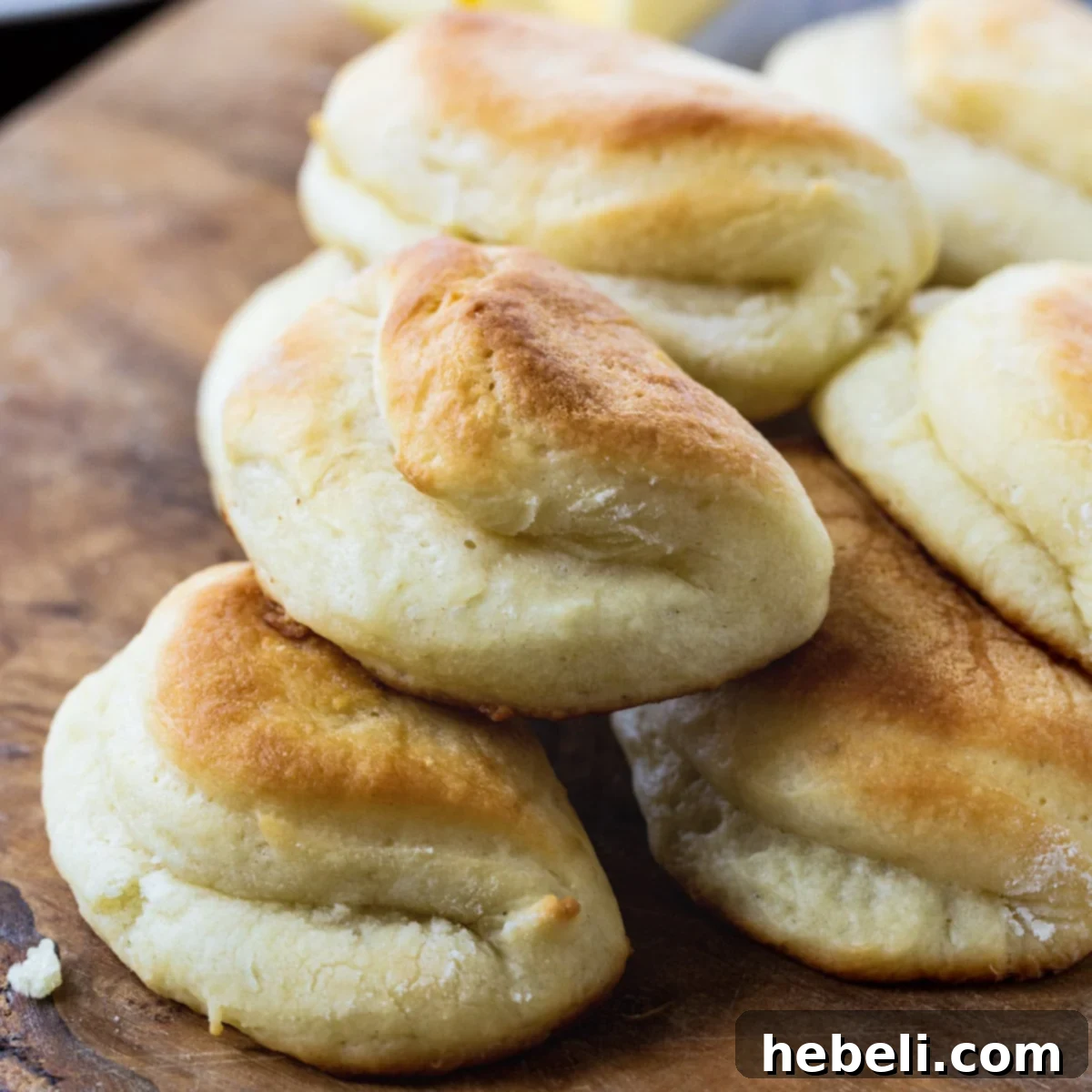
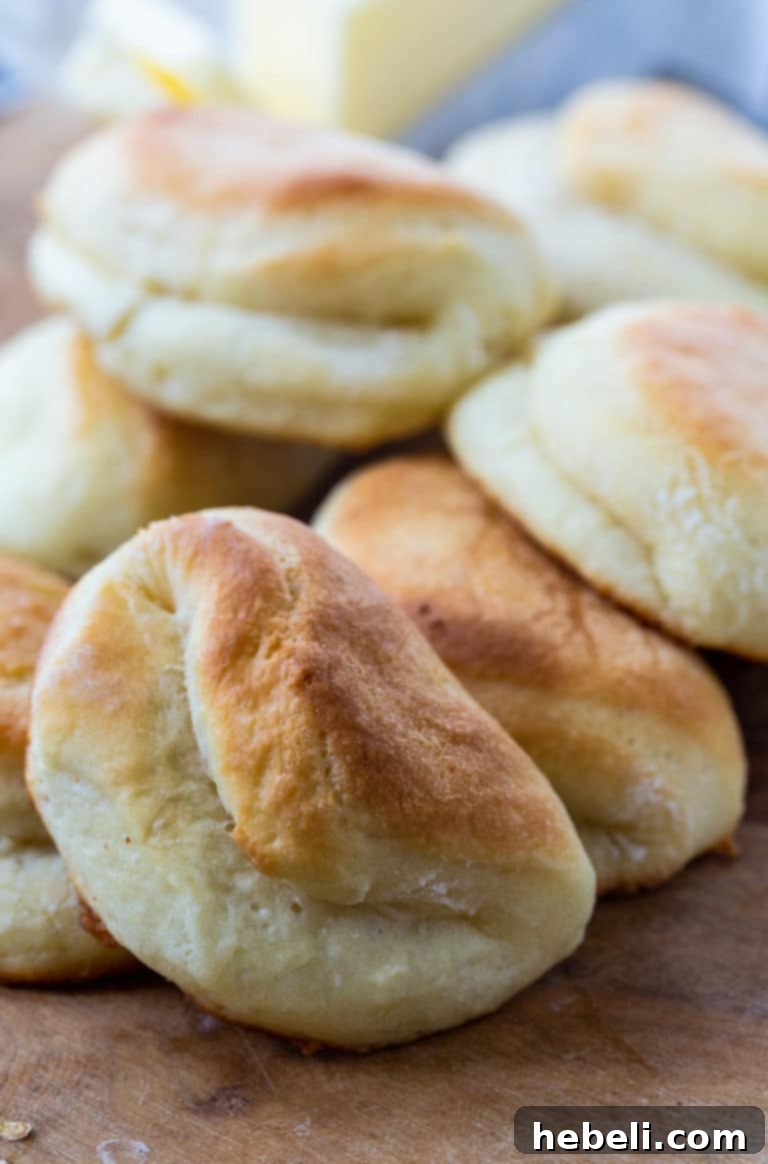
Pocketbook Rolls boast a tender crumb and a gorgeous golden crust. With their subtle hint of sweetness, this cherished old-fashioned homemade roll recipe is the quintessential addition to any holiday meal or family gathering.
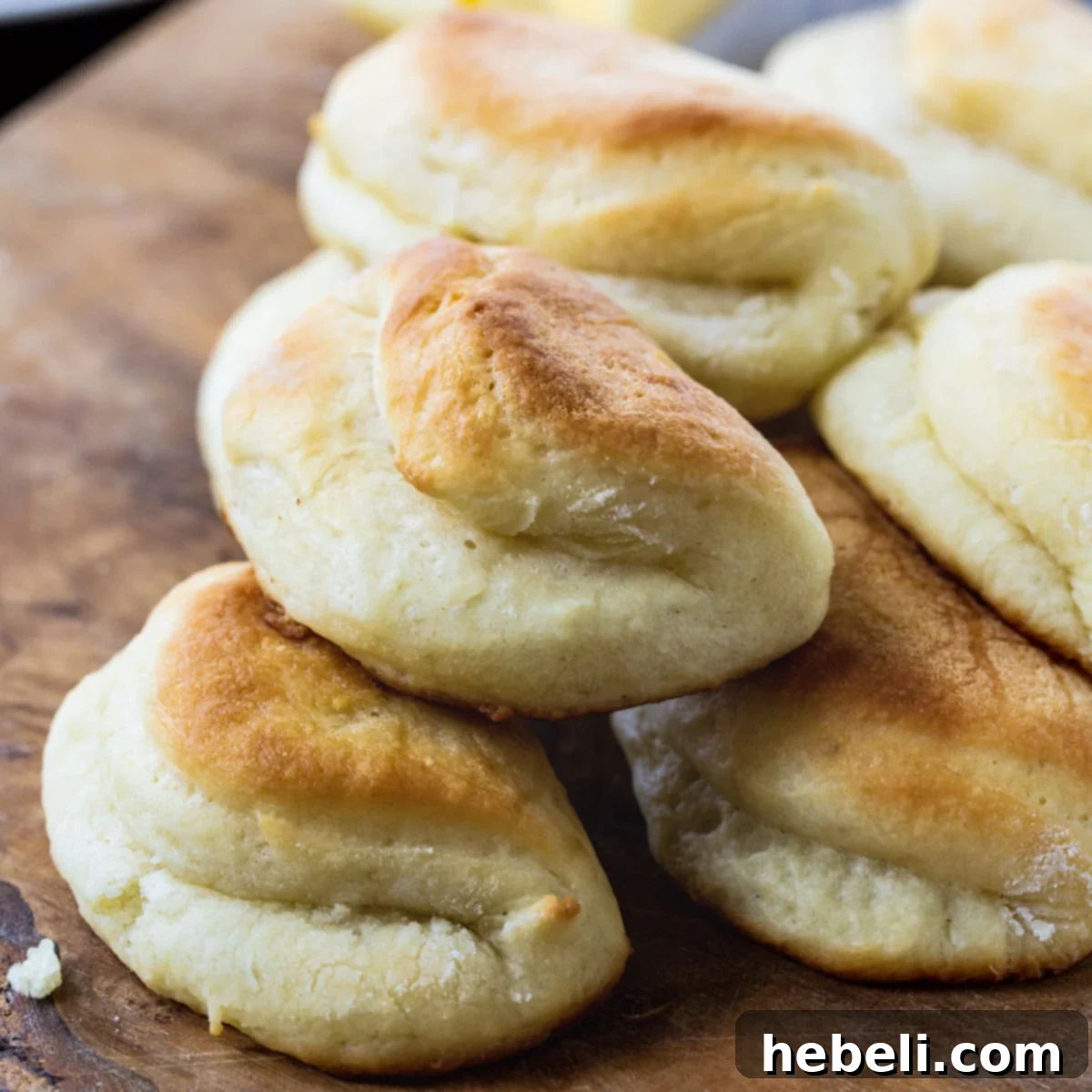
Classic Southern Pocketbook Rolls: Perfectly Tender, Sweet Yeast Rolls for Any Occasion
There’s something truly magical about homemade bread, and these Pocketbook Rolls are no exception. They are a universal favorite, known for their irresistible taste and delightful texture. Every time they make an appearance, they vanish almost instantly, a testament to their incredible popularity and a clear sign that they should be a regular feature at your table.
Growing up in the South, my family, unlike many, didn’t frequently feature biscuits at meal times. However, whenever we gathered at my grandparents’ house, we were treated to small, exquisite rolls that bear a striking resemblance to these pocketbook rolls. They are incredibly delicious, generously buttery, and carry just a whisper of sweetness. Their light, feathery texture makes it almost impossible to stop at just one; you could easily enjoy a whole basket! This recipe brings back those cherished memories, delivering a taste of Southern tradition and comfort in every bite.
The Enduring Charm of Southern Pocketbook Rolls
Pocketbook Rolls are more than just a side dish; they are a staple of Southern hospitality, embodying warmth, comfort, and tradition. Often referred to as “icebox rolls” due to their incredible make-ahead capabilities, these soft, yeasted delights are perfect for simplifying your meal preparations. The dough itself can be prepared up to a week in advance and kept refrigerated, offering unparalleled convenience, especially during busy holiday seasons when there’s so much to organize and so little time. Imagine having freshly baked rolls with minimal effort on the day of your feast!
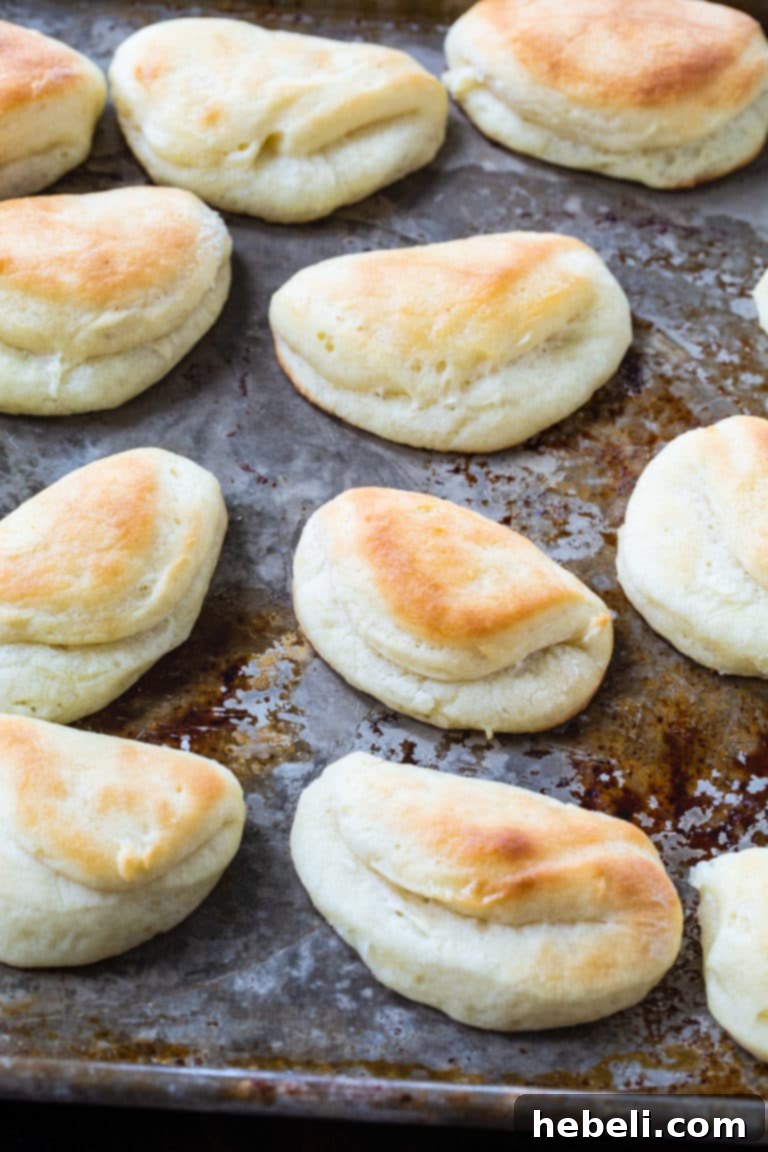
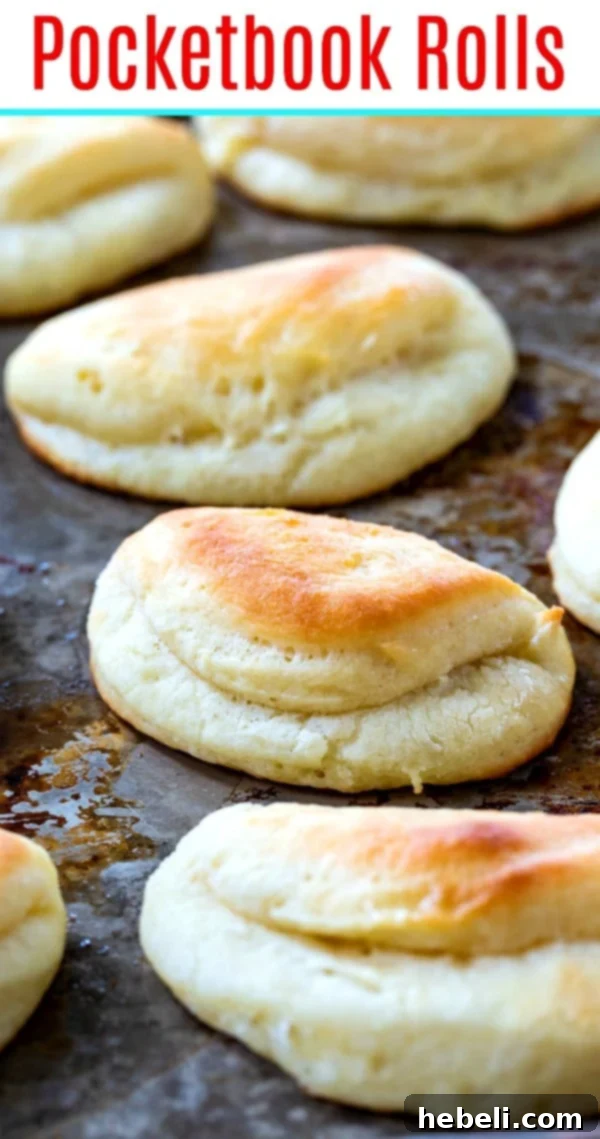
These delectable rolls are the Southern cousin to the renowned Parker House Rolls, which originated in a famous Boston hotel. While their New England counterparts are celebrated for their distinctive buttered fold, Southern Pocketbook Rolls infuse that classic technique with a touch of Southern charm and a characteristic hint of sweetness. Their unique shape is achieved by rolling out the dough, cutting it with a biscuit cutter, and then carefully folding each round in half, creating elegant half-moon shapes that resemble a small purse or “pocketbook.” This simple yet effective technique not only gives them their charming appearance but also contributes to their wonderfully tender texture, making each bite a true pleasure.
A Journey Back to Homemade Baking: Why This Recipe is a Keeper
It had been nearly a decade since I last ventured into making this particular roll recipe. While yeast baking hasn’t always been my forte – yeast and I sometimes have a complicated relationship! – I discovered that this recipe is remarkably forgiving and straightforward, even for those who might consider themselves novice bakers. It truly demystifies the process of working with yeast, making it accessible and enjoyable. This beloved recipe hails from one of my all-time favorite Southern cookbooks, My Mother’s Southern Kitchen: Recipes and Reminiscences by James Villas and his late mother, Martha Villas. This book is a treasured “oldie but goldie,” brimming with authentic, homestyle Southern recipes that have been passed down through generations. Martha Villas, originally from my hometown of Charlotte, NC, left behind a legacy of culinary tradition that continues to inspire home cooks today, and this Pocketbook Roll recipe is a shining example of her expertise.
Achieving Yeast Baking Success: Essential Tips for Perfectly Risen Rolls
The secret to light, airy, and beautifully risen rolls lies in understanding yeast. Many aspiring bakers are intimidated by yeast, fearing failure, but with a few key pointers and a little patience, you can master it and enjoy the rewarding experience of baking incredible bread from scratch. To ensure your dough rises perfectly every time, follow these crucial guidelines:
- Ensure Yeast Freshness: The most common reason for yeast dough not rising is inactive yeast. Always check the expiration date on your yeast package. If it’s past its prime or has been stored improperly, it won’t activate properly, resulting in flat, dense rolls. Fresh yeast is your ultimate ally in baking. Consider storing opened yeast in an airtight container in the refrigerator or freezer to prolong its freshness.
- Master Water Temperature: When proofing your yeast, the water temperature is absolutely critical. It should be warm, but never hot – ideally between 105°F and 115°F (40°C to 46°C). Water that is too cold won’t awaken the yeast, leading to slow or no activity. Conversely, water that is too hot will kill the yeast, rendering it useless. A kitchen thermometer is an inexpensive tool that can save you a lot of baking heartache, ensuring your water is just right.
- Confirm Yeast Activity (Proofing): After combining the yeast with warm water and a pinch of sugar (which acts as food for the yeast), let it sit undisturbed for 5-10 minutes. If the mixture forms a foamy layer of bubbles on top, congratulations – your yeast is active and ready to work its magic! If, however, there are no bubbles or foam, the yeast is likely dead, and it’s best to discard it and start over with a fresh packet. Don’t skip this step!
- Patience is a Virtue: Yeast dough requires time to rise and develop flavor and texture. Do not rush the proofing process. A warm, draft-free environment is ideal for optimal rising. You can create this by placing the covered bowl in a slightly warm oven (turned off), near a sunny window, or in another warm spot in your kitchen. Allowing the dough to rise adequately is fundamental to achieving that coveted light and airy texture.
- Avoid Over-Flouring: When kneading or rolling out the dough, resist the temptation to add too much extra flour. Excessive flour can make your rolls tough and dry. Use just enough to prevent sticking.
By paying close attention to these seemingly small details, even hesitant bakers can achieve wonderfully risen, tender yeast rolls that will impress everyone at the table.
Crafting the Perfect Pocketbook Shape
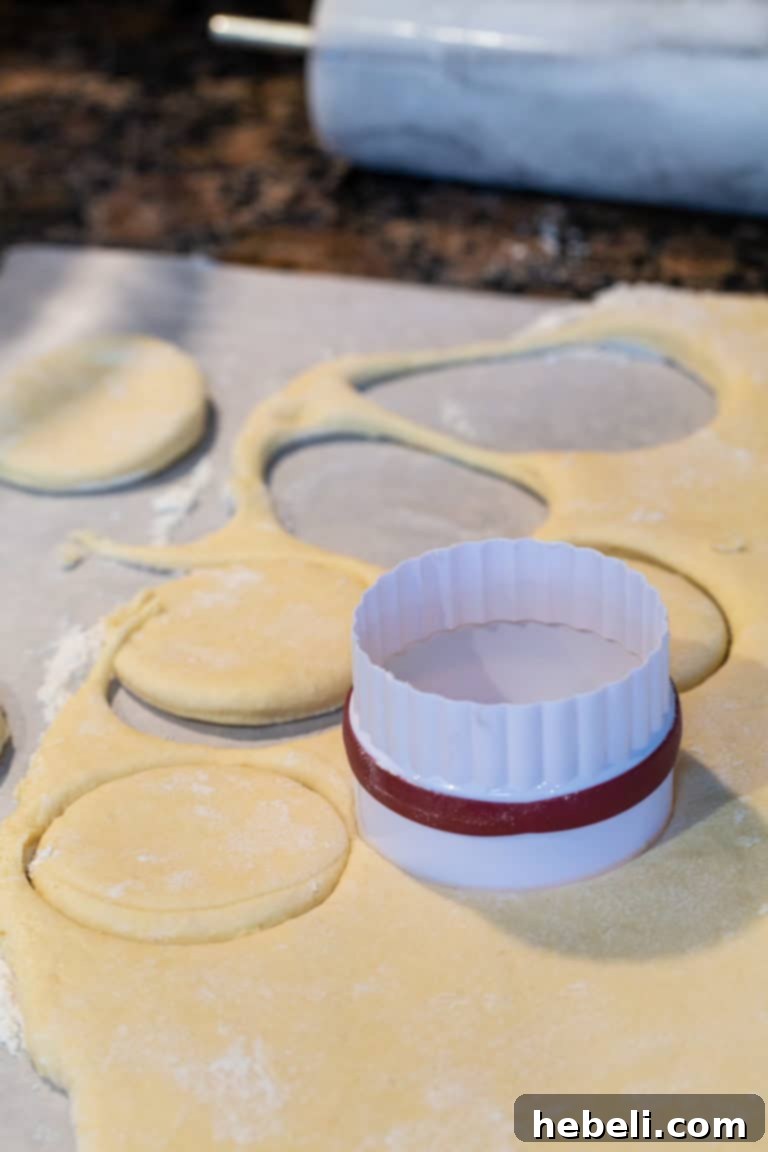
The charming visual appeal of Pocketbook Rolls lies in their distinctive fold. The original recipe suggests using a biscuit cutter between 2 to 2½-inches in diameter. I once opted for a slightly smaller cutter, and the result was nearly bite-sized rolls, yielding at least three dozen from a single batch! I mistakenly thought there would be plenty leftover for reheating the next day, but my entire family – my kids and husband included – devoured every single one. (Okay, I might have had four or five myself; they’re simply too good to resist!) The size of your rolls can certainly vary based on your personal preference and the size of your cutter, but the elegant folding method remains consistent: simply cut the rolled-out dough into neat circles, then gently fold each circle in half before arranging them on the baking sheet. This creates the signature “pocketbook” appearance and ensures a beautifully tender interior.
Make Ahead & Freezing: Your Holiday Baking Secret Weapon
One of the most incredible advantages of these Pocketbook Rolls is their versatility as a make-ahead item. This feature makes them an absolute lifesaver for holidays, dinner parties, or any event where you need to prepare food in advance without added stress on the big day.
- Make-Ahead Dough (The “Icebox Roll” Method): The dough for these rolls can be prepared up to a full week in advance and stored safely in the refrigerator. This allows you to tackle the more time-consuming part of the recipe days before you plan to bake, freeing up valuable time when you need it most. Simply prepare the dough through step 4 of the instructions (after mixing the flour and salt), cover the bowl tightly with plastic wrap to prevent a skin from forming, and refrigerate. When you are ready to bake, remove the dough from the refrigerator and allow it to come to room temperature for about 30-60 minutes before proceeding with rolling, shaping, and the final rise. This method guarantees fresh, warm rolls with minimal effort on the serving day.
- Freezing Unbaked Rolls: You can also prepare the rolls, shape them, and then freeze them before their final rise. Arrange the shaped rolls on a baking sheet and freeze until solid. Once frozen, transfer them to an airtight freezer bag or container. When ready to bake, simply place the frozen rolls on a greased baking sheet, cover, and let them thaw and rise in a warm place for several hours (4-6 hours or overnight in the refrigerator, then an hour at room temp) until doubled in size. Then bake as directed.
- Freezing Baked Rolls: These rolls also freeze exceptionally well after baking. For best results when freezing already baked rolls, consider slightly undercooking them during the initial bake (they should be lightly golden, not deeply browned). This ensures that when you defrost and reheat them, they won’t become overly brown or dry. Once baked and completely cooled, place the rolls in airtight freezer bags or containers. They can be stored in the freezer for up to two months without compromising their wonderful flavor or tender texture.
How to Refresh Old Rolls for That Fresh-Baked Taste
Even if your Pocketbook Rolls have been sitting for a day or two and lost a bit of their initial softness, you can easily bring them back to life and make them taste almost as fresh as they did right out of the oven. This simple trick is perfect for enjoying leftovers and reducing food waste:
- Preheat your oven to 350°F (175°C).
- Arrange the rolls on a baking sheet or in a shallow cake pan. Ensure they are not overcrowded.
- For an extra touch of flavor and moisture, lightly brush the tops of the rolls with a small amount of melted butter. This helps restore a golden sheen and adds richness.
- Cover the baking sheet or pan tightly with aluminum foil. The foil creates a steamy environment, which is key to rehydrating and softening the rolls.
- Bake for approximately 5 to 7 minutes, or until the rolls are warmed through and delightfully soft to the touch. Avoid over-baking, as this can dry them out.
- Remove from the oven and serve immediately.
Serving Suggestions: Pairing Your Perfect Pocketbook Rolls
Pocketbook Rolls are incredibly versatile and can complement a wide array of dishes, making them a fantastic addition to almost any meal. Their subtle sweetness and buttery richness make them suitable for both savory and sweet accompaniments, truly enhancing the dining experience.
- Holiday Feasts: These rolls are an absolute must-have for traditional holiday dinners like Thanksgiving, Christmas, or Easter. Serve them generously alongside roasted turkey, glazed ham, succulent prime rib, creamy mashed potatoes, and savory gravy. Their tender texture and sweet notes provide a perfect contrast to rich main courses.
- Everyday Dinners: Elevate any weeknight meal with the simple luxury of homemade rolls. They pair wonderfully with hearty stews, warming chili, a comforting pot roast, or a simple grilled chicken dinner. They’re fantastic for soaking up delicious sauces and gravies.
- Breakfast or Brunch: Don’t limit these delightful rolls to dinner! Enjoy them warm with a smear of your favorite jam, a drizzle of golden honey, or simply with an extra pat of butter for a truly delightful breakfast or brunch treat. They’re also wonderful alongside eggs and bacon.
- Soup and Salad: A warm, soft roll alongside a comforting bowl of homemade soup or a fresh, crisp salad adds a touch of homemade goodness and makes for a satisfying light meal.
- Sliders: Their compact size makes them ideal for small sliders. Fill them with thinly sliced ham and cheese, or leftover turkey for a quick and easy snack or appetizer.
No matter the occasion, these homemade Pocketbook Rolls are sure to be a crowd-pleaser and a memorable, much-loved part of your meal, bringing a taste of Southern comfort to your table.
More Delightful Roll Recipes to Explore
If you love homemade rolls as much as we do, you’re in for a treat! Expand your baking repertoire with these other fantastic roll recipes:
- The Best Yeast Rolls
- Cheesy Garlic Skillet Rolls
- Sweet Potato Cloverleaf Rolls
- Poppy Seed Sausage Rolls
- Buttery Pan Rolls
- Overnight Sour Cream Rolls
- Buttery Herb Yeast Rolls
Pocketbook Rolls Recipe
Yield: about 24 rolls
Prep time: 15 minutes
Cook time: 7 minutes
These super buttery and slightly sweet bite-sized rolls are also known for their incredible make-ahead convenience, earning them the nickname “icebox rolls.” They are perfect for freezing, and the dough can be prepared up to a week in advance and stored in the refrigerator, making them an ideal choice for busy bakers and holiday meal planners.
Equipment:
- Electric Stand Mixer (with paddle attachment)
- 2½-inch biscuit cutter
- Rimmed Baking Sheets
- Small bowl
- Large mixing bowl
- Plastic wrap
- Clean tea towel
Ingredients:
- 1 package active dry yeast (2 ¼ teaspoons)
- ½ cup warm water (105-115°F / 40-46°C)
- ¼ cup vegetable shortening
- ¼ cup unsalted butter, at room temperature
- ¼ cup granulated sugar
- ½ cup boiling water
- 1 large egg, lightly beaten
- 3 cups all-purpose flour, plus more for dusting
- 1 ½ teaspoons salt
- ½ cup unsalted butter, melted (for brushing rolls)
Instructions:
- Activate Yeast: In a small bowl, combine the active dry yeast and ½ cup warm water. Stir gently until the yeast is dissolved. Let it sit for 5-10 minutes until a foamy layer appears on top, indicating the yeast is active.
- Cream Fats and Sugar: In the large mixing bowl of an electric stand mixer fitted with the paddle attachment, cream together the vegetable shortening, ¼ cup room temperature butter, and sugar until light and fluffy. Gradually beat in the ½ cup boiling water until well combined.
- Combine Wet Ingredients: Add the activated yeast mixture to the bowl and beat until thoroughly blended. Incorporate the lightly beaten egg and mix well until smooth.
- Add Dry Ingredients: Gradually add the 3 cups of all-purpose flour and 1 ½ teaspoons of salt to the wet mixture. Mix on low speed until a cohesive, soft dough forms. Avoid overmixing. The dough will be quite soft.
- Chill Dough (Make-Ahead Step): Cover the bowl tightly with plastic wrap and refrigerate for at least 3 hours, or up to a week, until the dough is firm and ready to use. This chilling period not only allows the flavors to meld beautifully but also makes the dough much easier to handle.
- Roll and Shape: Approximately 2 ½ to 3 hours before you plan to bake, remove the dough from the refrigerator. On a lightly floured surface, roll the dough out evenly to about ½-inch thickness. Using a small round biscuit or cookie cutter (2 to 2½-inches in diameter), cut the dough into circles. Take each circle and gently fold it in half to create the classic “pocketbook” shape.
- Second Rise (Proofing): Place the folded rolls onto large greased baking sheets, leaving about an inch of space between each roll to allow for expansion. Lightly brush the tops of the rolls with a portion of the ½ cup melted butter. Cover the baking sheets loosely with a clean tea towel and let the rolls rise in a warm, draft-free place for about 2 to 2 ½ hours, or until they have doubled in size and look visibly puffy. Be mindful not to let them over-rise, as this can cause them to lose their distinct shape during baking.
- Preheat Oven: Preheat your oven to 400°F (200°C) about 15 minutes before the rolls are finished rising.
- Bake: Bake the rolls for 5 to 7 minutes, or until they turn a beautiful, light golden brown. Keep a close eye on them, as baking times can vary significantly based on your oven.
- Serve: Remove from the oven and brush with any remaining melted butter for an extra touch of richness and shine. Serve warm and enjoy these irresistible homemade rolls!
Notes:
- The exact rising time for your rolls can vary based on the warmth and humidity of your kitchen environment. It’s always best to observe the dough’s appearance – look for it to double in size and become puffy – rather than strictly adhering to the clock. If they rise too much, they may lose their distinct shape during baking.
- These rolls are truly at their absolute best when enjoyed warm, fresh from the oven. While they can be refreshed using the method described above, their peak deliciousness and tenderness are immediately after baking.
- For an added touch of flavor, consider whisking a pinch of garlic powder or fresh herbs into the melted butter used for brushing the rolls.
Nutrition:
(Nutritional information is provided as an estimate only and will vary based on specific brands of products used and exact portion sizes. It is not a substitute for professional nutritional advice.)
- Calories: 121 kcal
- Carbohydrates: 14g
- Protein: 2g
- Fat: 6g
- Saturated Fat: 3g
- Polyunsaturated Fat: 1g
- Monounsaturated Fat: 2g
- Trans Fat: 0.4g
- Cholesterol: 17mg
- Sodium: 179mg
- Potassium: 21mg
- Fiber: 0.4g
- Sugar: 2g
- Vitamin A: 128 IU
- Calcium: 5mg
- Iron: 1mg
Nutrition information is automatically calculated, so should only be used as an approximation.
We hope you love these delightful Southern Pocketbook Rolls as much as we do! They are a true taste of tradition and a testament to the joy of homemade baking. If you try this recipe, we’d absolutely love to hear from you. Leave a comment below with your feedback and experiences, and don’t forget to tag us @spicysouthernkitchen on social media to share your beautiful creations!
Disclosure: This post contains an amazon.com affiliate link, meaning we may earn a small commission if you make a purchase through our link, at no extra cost to you. We only recommend products we trust and use ourselves.