
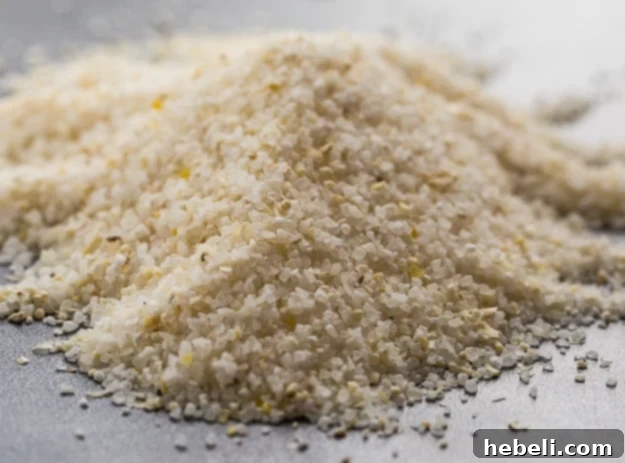
Few dishes evoke the warmth and comfort of Southern hospitality quite like a bowl of grits. For many Southerners, this simple yet profoundly satisfying food is far more than just a side dish; it’s an indispensable part of their culinary identity, a beloved breakfast staple, and a versatile ingredient that shines in countless savory preparations. Outside the Southern states, however, grits often remain a mystery, overshadowed by more globally recognized staples. This comprehensive guide aims to demystify this quintessential Southern comfort food, delving into its origins, exploring its various forms, offering expert cooking tips, and inspiring you with delicious recipes. Prepare to uncover everything you need to know about grits, from their humble beginnings to their place on today’s gourmet tables.
What Exactly Are Grits? Unraveling the Southern Staple
At its core, grits are a porridge made from dried, ground corn kernels. The process involves taking mature corn, drying it, and then milling it into coarse bits. This simple definition, however, belies the rich history and subtle nuances that differentiate grits from other corn-based preparations around the world. While often compared to Italian polenta, there are distinct differences that make grits unique. Polenta, though also made from ground corn, typically uses different varieties of flint corn and is often ground to a coarser texture. Grits, predominantly made from dent corn, undergo specific processing steps that contribute to their characteristic creamy texture and distinctive flavor, setting them apart as a uniquely Southern delight.
Exploring the Diverse World of Grits: Types and Textures
The world of grits is more varied than many realize, with different types offering unique textures, flavors, and cooking experiences. Understanding these distinctions is key to appreciating the full spectrum of this versatile food.
- Stone-Ground Grits: The Authentic Choice
- Hominy Grits: A Taste of Tradition
- Quick Grits: The Everyday Convenience
- Instant Grits: For Speed and Simplicity
Stone-Ground Grits: A Heritage Flavor
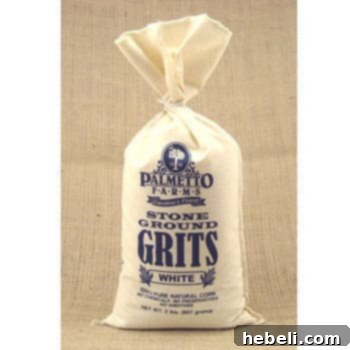 Stone-ground grits represent the traditional method of making grits, reminiscent of how they were prepared in the nineteenth century. These grits are produced by grinding whole dried corn kernels between two large stones, a process that retains the corn’s germ and hull. This preservation of the entire kernel is what gives stone-ground grits their superior, complex corn flavor and a pleasingly coarse, varied texture that stands up beautifully to long, slow cooking. While once difficult to find outside the South, stone-ground grits are experiencing a well-deserved resurgence in popularity, championed by chefs and home cooks seeking authentic, robust flavors and a connection to culinary heritage. Their rich flavor and hearty texture make them the connoisseur’s choice, though they do require more cooking time.
Hominy Grits: A Distinctive Process
Hominy grits are made from hominy, which are corn kernels that have undergone a process called nixtamalization. This involves soaking and cooking the dried corn in an alkaline solution, typically lye or slaked lime. This ancient Mesoamerican technique removes the hull and germ of the corn, softens the kernel, and significantly enhances its nutritional value by making niacin (Vitamin B3) more bioavailable. Nixtamalization also imparts a unique flavor and aroma, often described as more earthy and savory than regular corn, and results in an incredibly creamy, smooth texture when cooked. Hominy grits are a staple in many Southern households and are celebrated for their distinctive character.
Quick Grits and Regular Grits: The Modern Choices
Quick grits and regular grits are both processed to offer convenience and longer shelf life. They are made from degerminated corn, meaning the germ has been removed, which prevents spoilage and allows for finer grinding. Regular grits have a medium grind, while quick grits are ground even finer. This finer milling and processing allows them to cook significantly faster than their stone-ground counterparts, typically in 5 to 10 minutes. While they may lack the deep, nuanced flavor and hearty texture of stone-ground varieties, quick and regular grits are widely available, affordable, and serve as an excellent everyday option for those seeking a fast and easy bowl of comfort.
Instant Grits: The Ultimate in Speed
Instant grits represent the fastest option available, designed for maximum convenience. These grits are pre-cooked and then dehydrated, requiring only the addition of hot water and a few minutes of stirring to be ready. While undeniably quick, many purists and self-respecting Southerners often quip that instant grits are a far cry from the real thing. Their texture can be gummy, and their flavor muted compared to other varieties. However, for situations demanding extreme speed—such as camping trips, emergency meals, or when time is truly of the essence—instant grits offer a practical solution, ensuring that even in a pinch, you can still enjoy a taste of the South.
Spotlight on Excellence: Some Favorite Stone-Ground Grits
For those eager to experience the true essence of grits, exploring high-quality stone-ground varieties is a must. These artisanal producers are dedicated to preserving the traditional methods and superior flavor profiles that make grits a culinary treasure.
- Anson Mills – Widely celebrated among Southern chefs and gourmands, Anson Mills is renowned for its commitment to growing heirloom grains and milling them to perfection. Their grits are often considered the gold standard, offering unparalleled flavor and texture, a true testament to traditional methods.
- Geechie Boy Mill – A cherished family-run business located in Edisto, South Carolina, Geechie Boy Mill specializes in producing authentic, lowcountry stone-ground grits. Their dedication to quality and regional heritage makes their grits a favorite for those seeking a taste of genuine Southern tradition.
- Palmetto Farms – A highly accessible and excellent choice, Palmetto Farms grits can be easily ordered from Amazon.com. This brand offers a fantastic balance of quality and convenience, making it a favorite for many who want to enjoy authentic stone-ground grits without a local specialty store nearby.
A Journey Through Time: The Enduring History of Grits
The story of grits is deeply intertwined with the history of the American South, tracing its roots back long before European colonization. Its enduring presence on Southern tables is a testament to its nutritional value, affordability, and adaptability.
Native American Origins and Linguistic Roots
Grits have a rich heritage stemming from Native American culture. Indigenous tribes, particularly those in the Southeastern United States, were the first to cultivate corn and discover the versatile ways it could be prepared. They would grind dried corn kernels into a coarse meal and cook it into a nourishing porridge or mush, which formed a vital part of their diet. It is widely believed that the name “grits” itself originates from the Old English word “grit,” meaning coarse meal, a term that perfectly describes the ground corn’s texture.
Colonial Adoption and the Rise of Gristmills
When European settlers arrived, they quickly adopted corn from Native Americans and learned how to prepare it. Grits became an essential staple, especially in the Southern colonies, where corn thrived in the warm climate. The widespread need for ground corn led to the proliferation of gristmills throughout the South. These mills, often powered by waterwheels, were community hubs where local farmers could bring their harvested corn to be ground into grits and cornmeal. The process involved heavy stones crushing the corn, a labor-intensive but effective method that produced the authentic texture and flavor of traditional grits.
The phrase “Nose to the Grindstone” actually has its origins in this very process. Millers had to be vigilant, using their sense of smell to carefully monitor the grinding process. Stone grinding generates a significant amount of heat due to friction, and if the corn got too hot, it would “cook” prematurely or even burn, ruining the batch. Keeping one’s “nose to the grindstone” was a literal act of diligence, ensuring the quality of the meal being produced.
Grits as an Economic and Nutritional Staple
Grits cemented their place as a cornerstone of Southern cooking not only for their high nutritional value, providing essential calories and sustenance, but also because they were incredibly inexpensive to produce. Corn was plentiful, and the simple processing made grits an accessible food for all economic classes, becoming a reliable dietary foundation for both enslaved and free populations. Their ability to be stretched with water or milk, and flavored with whatever ingredients were on hand, further solidified their role as a survival and comfort food.
The Shift to Industrial Processing
Towards the late 1800s, many traditional gristmills began to modernize. Stone grinding, while yielding superior flavor, was gradually replaced by steel-roller mills. This shift brought greater efficiency, allowing for faster production and a more uniform, degerminated product (Quick and Regular grits). While this made grits more widely available and easier to cook, it also marked a departure from the rustic, full-flavored characteristics of authentic stone-ground varieties, leading to the diverse range of grits we see today.
Mastering the Art of Cooking Grits: Tips for Perfection
Cooking grits to creamy perfection is a simple pleasure that requires a little patience and attention. While the specific technique might vary slightly depending on the type of grits, these fundamental principles will guide you to a consistently delicious bowl.
- Understand Cooking Times: Be mindful of the variety you’re using. Quick and Regular grits typically cook in 5 to 15 minutes, making them ideal for busy mornings. Stone-ground grits, however, demand more time, often taking anywhere from 30 to 60 minutes to achieve their desired texture and flavor. Don’t rush the process for stone-ground; the slow simmer allows the kernels to fully hydrate and release their starch, resulting in ultimate creaminess.
- Consider Soaking Stone-Ground Grits: While not strictly necessary, soaking stone-ground grits in water overnight can significantly reduce their cooking time and contribute to an even creamier final product. If you plan to soak, ensure the grits are fully submerged in water.
- Always Salt the Water: This is a crucial step! Unlike many other starches, cooked grits do not readily absorb the flavor of salt once they’ve thickened. Adding salt to the cooking liquid from the beginning ensures that the seasoning is fully integrated into each kernel, resulting in a more flavorful dish.
- Maintain the Proper Grits-to-Liquid Ratio: A general rule of thumb is a 1 cup of grits to 4 cups of liquid. This ratio provides a good starting point for a creamy consistency, but remember that individual preferences can vary. You can always adjust the liquid amount during cooking.
- Choose Your Liquid Wisely: The liquid you use will profoundly impact the final flavor of your grits.
- Water: The simplest choice, allowing the pure corn flavor of the grits to shine through.
- Chicken Broth: Adds a savory depth that is excellent for cheesy grits or as a base for shrimp and grits.
- Milk, Half-and-Half, or Cream: For an incredibly rich and luxurious texture, a mixture of water and milk (or solely milk/cream) is a fantastic option, creating a truly decadent bowl of grits.
- Tailor to Your Desired Consistency: There’s no single “right” consistency for grits; it’s a matter of personal preference. Some enjoy thick, spoonable grits, while others prefer them a little runnier. To achieve a thicker consistency, cook them longer, allowing more liquid to evaporate. For thinner grits, simply add more hot liquid (water, broth, or milk) until your desired texture is reached.
- Gradual Addition and Whisking: To prevent clumping, bring your chosen liquid to a rolling boil before gradually whisking in the grits. Continue to whisk vigorously for at least 30 seconds to a minute after adding, ensuring each grain is separated and hydrated.
- Simmer, Don’t Boil: Once the grits have been whisked in, reduce the heat to a low simmer. Grits should cook gently, allowing them to absorb liquid slowly without scorching. A hard boil can cause them to stick to the bottom and create a gummy texture.
- Cover While Cooking: Covering the pot while grits simmer helps to trap steam, which can reduce cooking time and ensure more even cooking by preventing excessive liquid evaporation.
- Stir Periodically: Regular stirring, especially during the cooking of stone-ground grits, is essential to prevent them from sticking to the bottom of the pot and forming clumps. This also helps distribute heat evenly and ensures a creamy texture throughout.
- Final Flavor Boosts: Just before serving, stir in butter and cheese (if using). These additions melt beautifully into the hot grits, adding richness and a luscious finish that elevates the flavor profile.
- Proper Storage for Stone-Ground Grits: Due to their higher oil content (from the germ), stone-ground grits are more perishable than processed varieties. Always store them in an airtight container in the freezer to maintain freshness and prevent rancidity. Other types of grits can be stored in a cool, dry pantry.
Beyond Breakfast: Versatile Grits in Delightful Recipes
While often associated with breakfast, grits are an incredibly versatile ingredient that can be transformed into a variety of dishes, from comforting sides to sophisticated main courses and even appetizers. Here are some beloved recipes that showcase the diverse potential of grits:
Crock Pot Grits: Effortless Morning Comfort

One of the easiest and most convenient ways to prepare grits, especially for a crowd or a leisurely morning. Imagine waking up to a warm, creamy bowl of grits, perfectly cooked without any last-minute fuss. Simply combine your ingredients in the crock pot the night before, set it to cook on low, and by morning, you’ll have a ready-to-serve breakfast that practically makes itself. This method is ideal for brunches or when you want to enjoy grits without constant stirring.
Cream Cheese Grits: Indulgent and Velvety Smooth
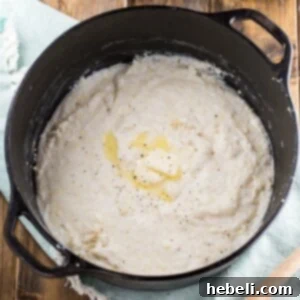
For those who crave the ultimate in richness and creaminess, these grits are a revelation. A generous touch of cream cheese stirred into hot, cooked grits transforms them into an unbelievably luxurious dish. The tang of the cream cheese perfectly balances the sweet corn notes, making these grits an unforgettable side for any meal, from a Sunday roast to a holiday spread. They’re so incredibly smooth and flavorful, they might just become your new favorite way to enjoy grits.
Shrimp and Grits: A Southern Icon Elevated

Perhaps the most famous grits recipe, Shrimp and Grits beautifully marries the humble corn porridge with succulent seafood. Interestingly, this dish began its life as a simple, hearty breakfast for fishermen in the Lowcountry of South Carolina. Today, it has evolved into a gourmet meal, gracing the menus of upscale restaurants across the nation. This easy-to-follow recipe turns grits into a sophisticated dinner, featuring plump shrimp often sautéed with bacon, garlic, peppers, and onions, served over a bed of creamy, cheesy grits. It’s a testament to the versatility and transformative power of grits.
Grits Fritters with Red Pepper Jelly Dipping Sauce: The Perfect Appetizer

Who says grits can only be served hot and creamy? These delightful grits fritters offer a fantastic way to enjoy the classic Southern flavor in a new, exciting format. Made from leftover cheese grits, often mixed with savory ingredients like crispy bacon, sweet corn, and fresh green onions, these fritters are coated in crunchy Panko crumbs and deep-fried until golden and crispy. Served with a sweet and spicy red pepper jelly dipping sauce, they make for an irresistible Southern appetizer, perfect for entertaining or a flavorful snack.
Thoughtful Gifts for the True Grits Lover
For those who truly appreciate the magic of grits, a gift that celebrates this beloved Southern staple is sure to be cherished. From comprehensive cookbooks to gourmet snacks, these items are perfect for anyone who can’t get enough of this creamy corn delight.
Glorious Grits: America’s Favorite Comfort Food Cookbook

Glorious Grits: America’s Favorite Comfort Food is more than just a cookbook; it’s an ode to the versatility of grits. Packed with beautiful pictures and thoughtfully written recipes, it inspires cooks to look beyond the basic bowl. Discover innovative dishes like Huevos Rancheros on Cilantro-Grits Cakes and Southwestern Grits Stuffed Peppers, which showcase the incredible adaptability of this humble ingredient. This book will open your eyes to all the culinary possibilities grits have to offer.
The Ultimate Shrimp and Grits Cookbook

For those obsessed with the iconic pairing of shrimp and grits, this dedicated Shrimp and Grits cookbook from one of the South’s most prolific culinary authors is an absolute treasure. It explores every conceivable way to prepare this beloved dish, from traditional renditions to imaginative twists. Discover unique recipes such as Grits Waffles, perfect for a savory brunch, or an unexpected Squash and Apple Soup complemented by savory Shrimp and Grits Cakes. This book is a must-have for anyone looking to master and innovate with this Southern classic.
Grits Bits Vidalia Onion and Cheese Biscuits: A Savory Southern Snack

Grits Bits are a delightful Southern snack food proudly made in Georgia. These savory baked biscuits are infused with the sweet, delicate flavor of Vidalia onions and rich cheese, creating an utterly addictive crunch. They are perfectly sized for snacking and make an excellent accompaniment to a glass of wine or a pre-dinner appetizer. For the grits enthusiast who enjoys a gourmet treat, Grits Bits offer a convenient and delicious way to enjoy the flavors of the South.
Disclosure: This post contains affiliate links.