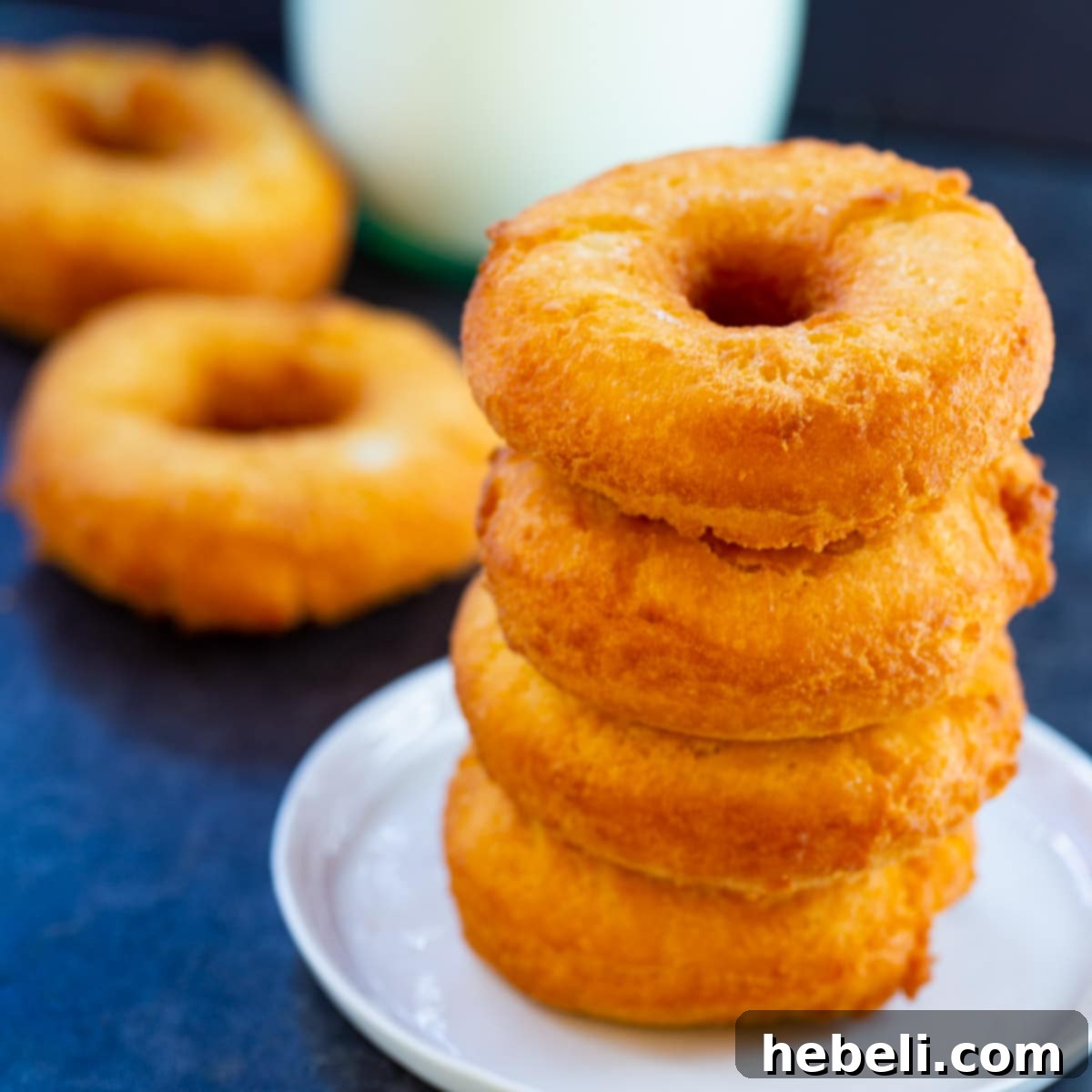
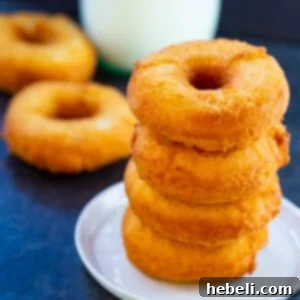
There’s an undeniable magic to a homemade doughnut, especially when it’s an Old-Fashioned Buttermilk Doughnut. These delightful treats, while requiring a modest investment of time to create, possess an extraordinary ability to disappear in moments. Their simple yet profoundly delicious taste, amplified when enjoyed fresh and warm, makes them an unforgettable indulgence.
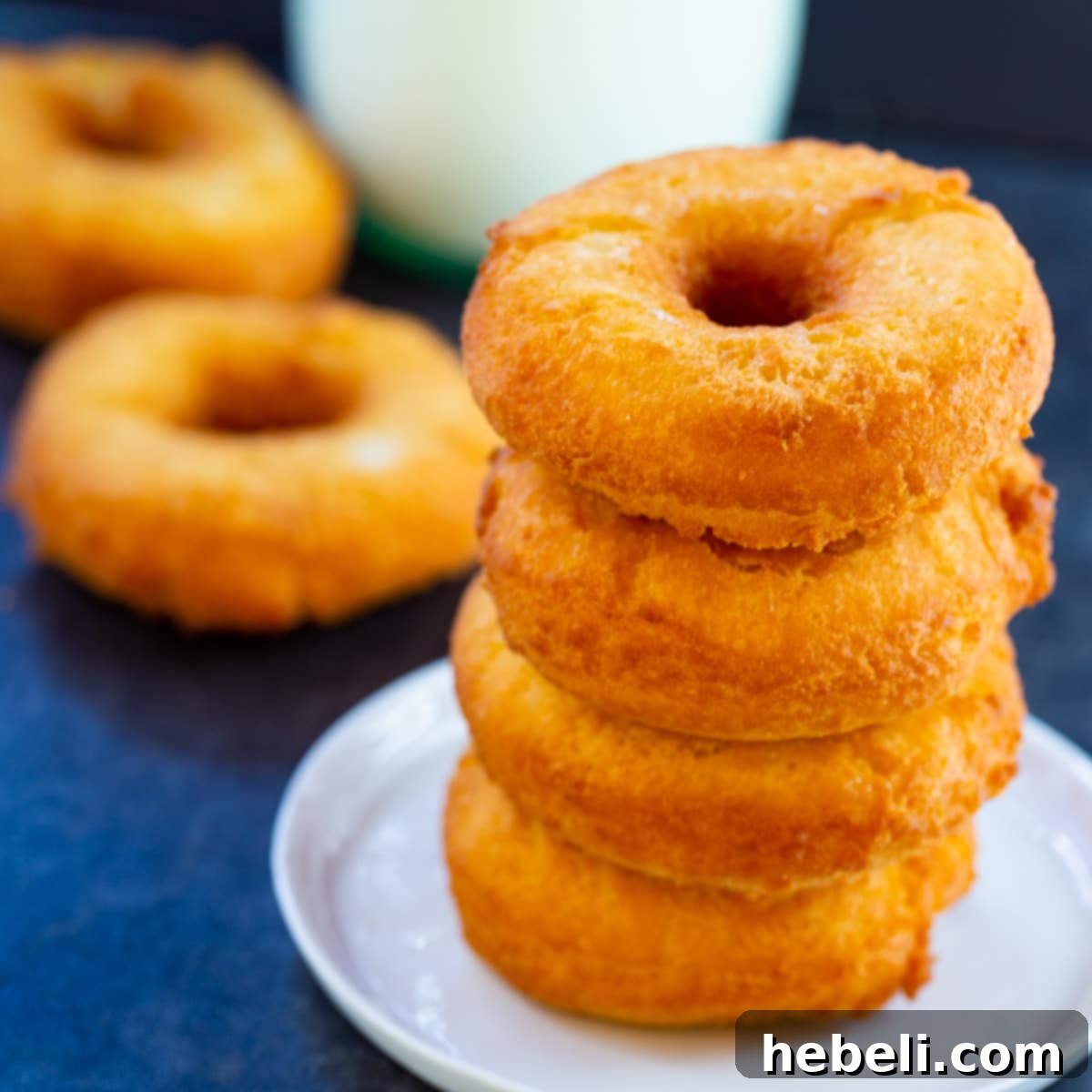
Picture the pure delight on a child’s face as they savor one with a tall glass of milk, or the quiet pleasure of an adult pairing a couple of these tender morsels with a steaming cup of coffee. These doughnuts aren’t just a snack; they’re an experience, a moment of comfort and joy that transcends the ordinary.
For those special occasions, like hosting holiday guests or making a memorable sleepover for your kids, a batch of freshly made Old-Fashioned Buttermilk Doughnuts transforms the atmosphere. They’re a thoughtful gesture that makes everyone feel cherished and indulged, a testament to the warmth of homemade hospitality.
While we don’t have an email signup form here, we encourage you to bookmark this page or print the recipe below to keep it handy for future baking adventures!
The Allure of Homemade Doughnuts: A Timeless Treat
There’s something inherently special about homemade doughnuts. They evoke a sense of nostalgia, a connection to simpler times when baking from scratch was a common practice. These Old-Fashioned Buttermilk Doughnuts capture that essence perfectly. Unlike their mass-produced counterparts, these doughnuts boast a texture that’s both tender and slightly chewy, with a rich, nuanced flavor that can only come from carefully selected ingredients and a homemade touch.
Making doughnuts at home isn’t just about the end product; it’s about the process itself. The aroma of nutmeg and frying shortening filling your kitchen creates an inviting atmosphere, promising deliciousness to come. It’s a rewarding culinary project that yields incredibly satisfying results, making a lazy weekend feel a little more special and your efforts truly appreciated by family and friends.
The Magic of Buttermilk in Doughnuts
The secret to the exceptional tenderness and subtle tang of these doughnuts lies in the buttermilk. Buttermilk, a staple in many classic recipes, reacts with the baking soda to create a beautifully light and airy crumb, while also contributing to a moist texture that simply melts in your mouth. This acidity not only aids in leavening but also imparts a depth of flavor that complements the warm notes of nutmeg, distinguishing these old-fashioned treats from other doughnut varieties.
This recipe, inspired by the meticulous testing of Cook’s Illustrated, ensures that every ingredient plays a vital role in achieving doughnut perfection. Their dedication to finding the best methods means you can embark on your doughnut-making journey with confidence, even if it’s your very first attempt.
How To Serve Your Buttermilk Doughnuts
While I personally adore these doughnuts served plain, allowing the distinct flavor of nutmeg to truly shine, the versatility of these treats means you have endless options for presentation. A simple dusting of powdered sugar adds a touch of elegance and a subtle sweetness. For those who prefer a little more crunch and spice, a quick dip in cinnamon sugar offers a classic upgrade.
Beyond these traditional toppings, consider drizzling them with a simple vanilla bean glaze or even a rich chocolate ganache for a more decadent experience. These doughnuts are also fantastic with a light maple glaze, especially in the fall. Served alongside fresh fruit for breakfast or as a delightful dessert, they are guaranteed to be a hit. Remember, the best way to enjoy them is warm, straight from the wire rack, when their texture and aroma are at their peak.
Frying for the Perfect Texture: Using Vegetable Shortening
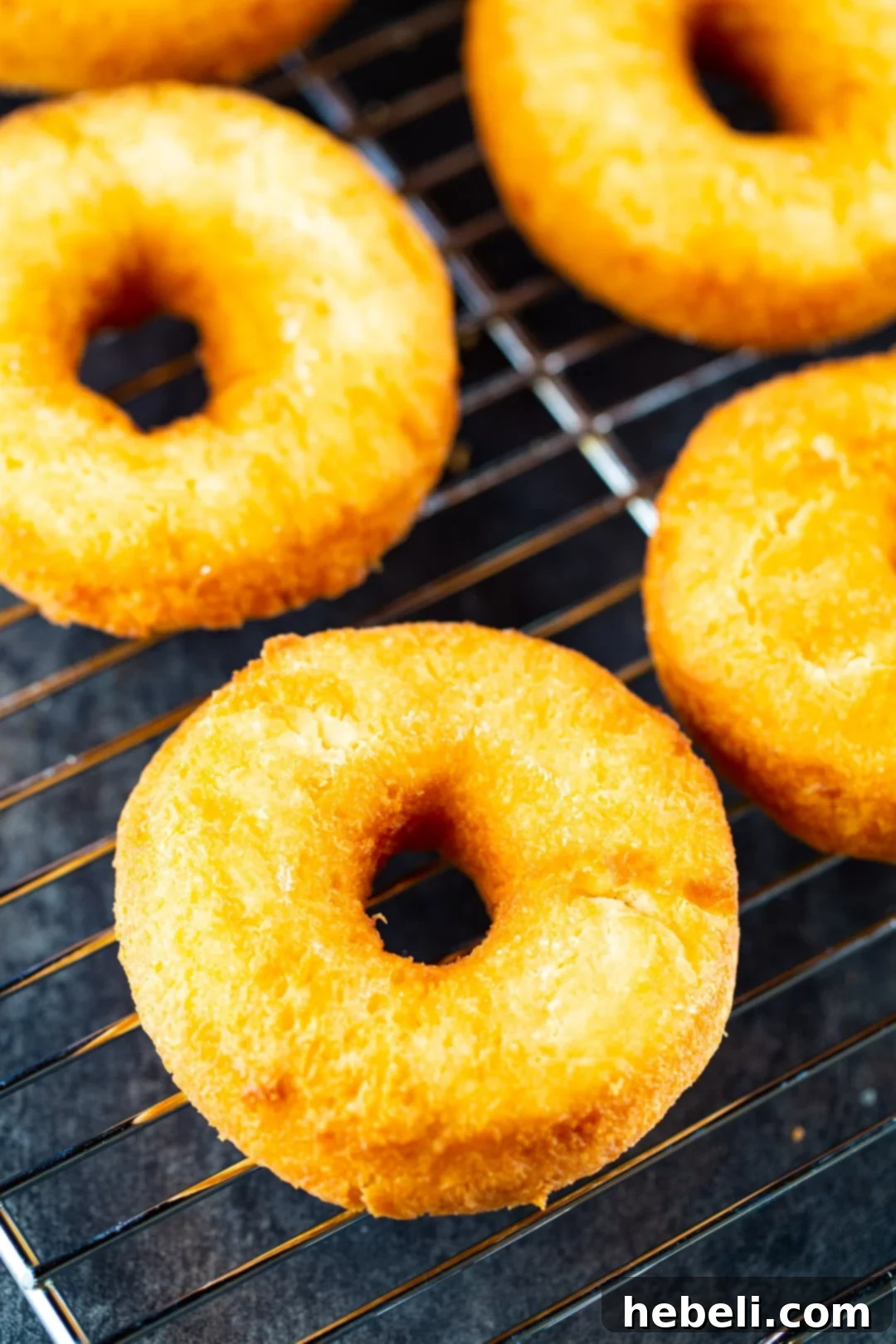
The method of frying is crucial to achieving the ideal old-fashioned buttermilk doughnut. These doughnuts are deep-fried, yet when done correctly, they are remarkably non-greasy. Extensive testing by culinary experts, including the renowned Cook’s Illustrated, has consistently shown that frying in vegetable shortening, such as Crisco, yields the best results. Shortening contributes to a superior flavor and a less oily finish compared to many liquid oils.
The key to preventing greasiness is maintaining a consistent oil temperature, ideally at 375°F. If the shortening is too cool, the doughnuts will absorb too much fat, becoming heavy and oily. If it’s too hot, the exterior will brown too quickly, leaving the inside raw. Using a reliable deep-fry thermometer is indispensable for success. By carefully monitoring and adjusting the temperature between batches, you ensure that each doughnut cooks evenly, developing a perfectly crisp exterior and a beautifully tender interior.
Dough Preparation and Cutting
One of the beauties of this buttermilk doughnut recipe is that the dough is surprisingly simple to prepare. It’s a no-yeast recipe, relying on baking powder and baking soda for its rise, which means no lengthy proofing times. This makes it an excellent choice for bakers new to doughnut making.
Once your dough is mixed to the perfect moist and tacky consistency, a lightly floured surface and rolling pin are all you need to get it ready for cutting. For shaping, you can use a dedicated doughnut cutter for that classic ring shape. Alternatively, a large biscuit cutter can form the outer ring, and a smaller one can create the hole in the center, giving you delightful doughnut holes to fry alongside the rings. Remember to flour your cutter frequently to prevent sticking and ensure clean, crisp edges.
Pin this now to find it later!
Pin It
More Doughnut Recipes to Explore
If these Old-Fashioned Buttermilk Doughnuts ignite your passion for homemade fried dough, there’s a world of delicious possibilities to discover. Expand your baking repertoire with these other fantastic doughnut recipes:
- Red Velvet Donuts with Glaze: A decadent, colorful treat perfect for special occasions.
- Copycat Krispy Kreme Doughnuts: Recreate the iconic, melt-in-your-mouth experience at home.
- Apple Cider Doughnuts: A quintessential autumn delight, packed with seasonal flavors.
- Old-Fashioned Doughnut Muffins: All the flavor of a doughnut, baked into a convenient muffin.
- Air Fryer Biscuit Doughnuts: A quicker, less messy way to enjoy homemade doughnuts.
- Homemade Beignets: Transport yourself to New Orleans with these pillowy, powdered sugar-dusted treats.
Buttermilk Doughnuts
Highly rated by our community!
By Christin Mahrlig
25 mins
5 mins
30 mins
15
Print Recipe
Equipment
-
Electric Stand Mixer
-
2-Cup Liquid Measuring Cup
-
Dutch Oven
-
Rolling Pin
-
Doughnut Cutter
-
Deep-Fry Thermometer
Ingredients
- 3 1/2 cups all-purpose flour, (17 1/2 ounces)
- 1 cup sugar
- 2 teaspoons baking powder
- 1/2 teaspoon baking soda
- 1 1/2 teaspoons ground nutmeg
- 1 teaspoon salt
- 3/4 cup buttermilk
- 4 tablespoons unsalted butter, melted and cooled
- 2 large eggs plus one egg yolk
- 6 cups vegetable shortening, (Crisco)
Instructions
-
In the bowl of a stand mixer fitted with a paddle attachment, combine 1 cup of the all-purpose flour, sugar, baking powder, baking soda, ground nutmeg, and salt. Mix on low speed until thoroughly combined.
-
In a 2-cup liquid measuring cup, whisk together the buttermilk, melted and cooled unsalted butter, and the two large eggs plus one egg yolk until well blended.
-
Add the wet ingredients from the measuring cup to the dry ingredients in the stand mixer. Mix on medium speed for approximately 30 seconds, just until the ingredients start to come together.
-
With the mixer speed set to low, gradually add the remaining 2 1/2 cups of flour. Mix just until the flour is incorporated and no dry streaks remain. Finish by stirring the batter a few times with a rubber spatula to ensure everything is evenly mixed. The resulting dough should be moist and slightly tacky to the touch.
-
Place the vegetable shortening in a heavy-bottomed Dutch oven or a large, deep pot. Heat the shortening over medium-high heat until it reaches a temperature of 375°F (190°C) on a deep-fry thermometer. Maintaining this temperature is crucial for non-greasy doughnuts.
-
Lightly flour a clean work surface. Turn the dough out onto the floured surface. Dust your rolling pin with flour and roll the dough out evenly to a 1/2-inch thickness.
-
Using a doughnut cutter (or large and small biscuit cutters), cut out the doughnut rings. Ensure you generously flour the cutter before each cut to prevent sticking.
-
Gather the dough scraps, gently knead them together, and roll them out again to cut additional doughnut rings and holes. Be careful not to overwork the dough.
-
Carefully lower 4 doughnut rings into the hot shortening at a time. Fry them for about 50 seconds per side, or until golden brown, flipping them once they rise to the surface. Use tongs or a slotted spoon for flipping. Once cooked, remove the doughnuts and drain them on a wire rack set over a baking sheet to catch any excess shortening. Before frying the next batch, allow the shortening temperature to return to 375°F (190°C). This step is essential for consistently delicious, non-greasy doughnuts.
Notes
Nutrition
Carbohydrates: 36g |
Protein: 4g |
Fat: 18g |
Saturated Fat: 6g |
Polyunsaturated Fat: 4g |
Monounsaturated Fat: 7g |
Trans Fat: 2g |
Cholesterol: 31mg |
Sodium: 271mg |
Potassium: 58mg |
Fiber: 1g |
Sugar: 14g |
Vitamin A: 145IU |
Vitamin C: 0.01mg |
Calcium: 54mg |
Iron: 2mg
Nutrition information is automatically calculated, so should only be used as an approximation.
Did you make this?
We’d love to see your creations! Leave a comment below and tag us @spicysouthernkitchen on social media!
Recipe Source: Cook’s Illustrated
Originally posted December 24, 2014.