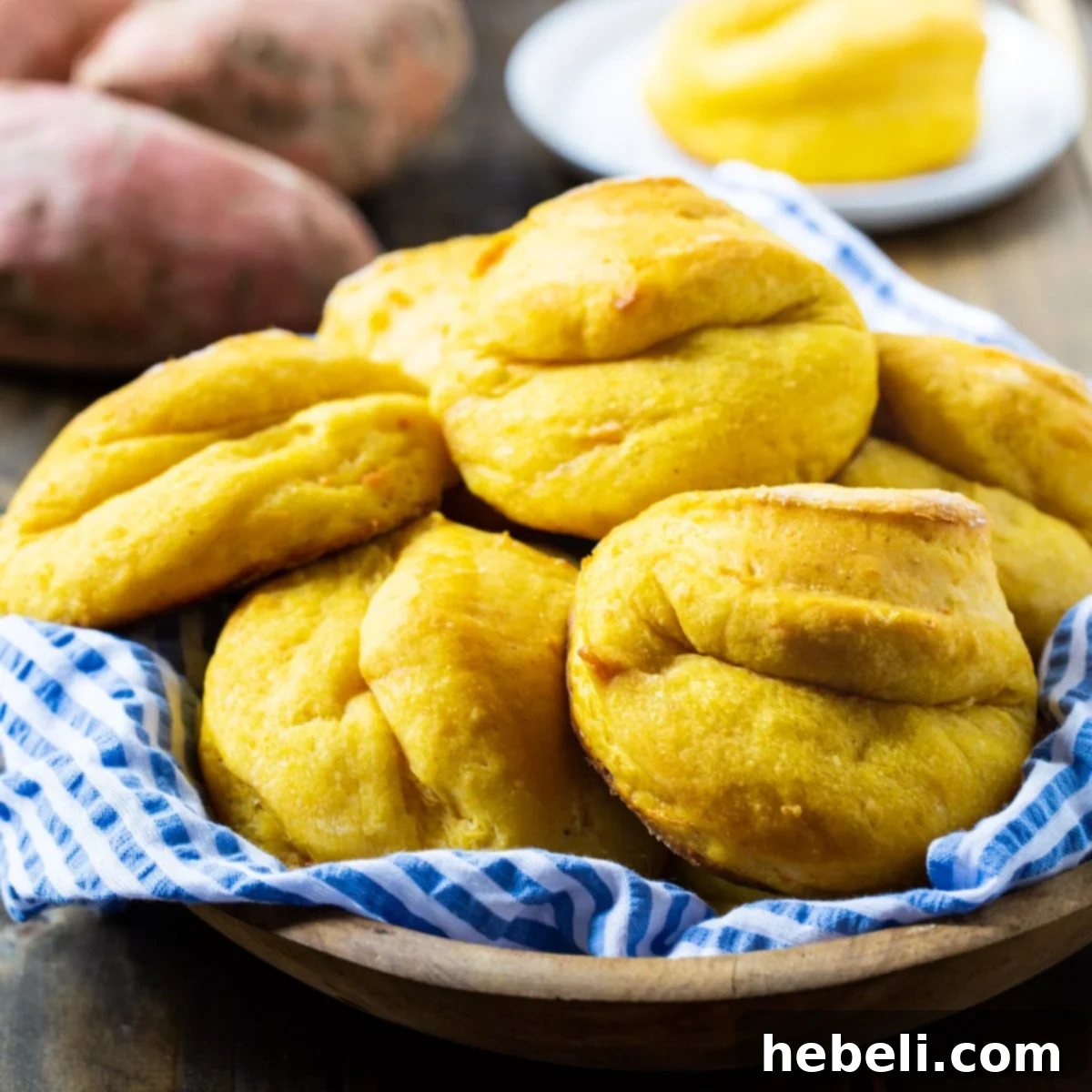
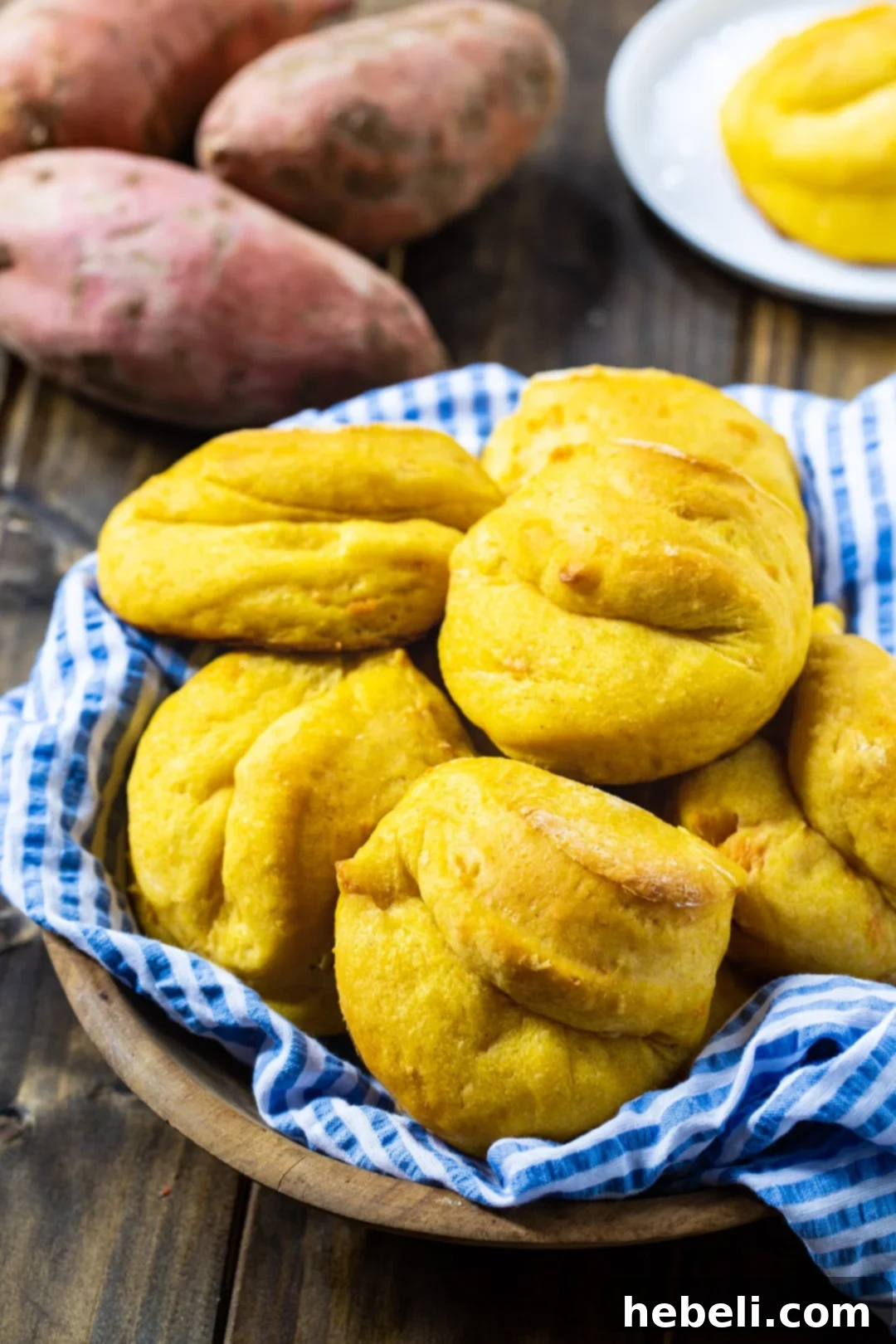
There’s nothing quite like the comforting aroma of freshly baked rolls filling your kitchen, especially when those rolls are infused with the sweet, earthy goodness of sweet potatoes. These golden-orange Sweet Potato Rolls are incredibly tender, delightfully soft, and boast a subtle sweetness beautifully complemented by a hint of warm cinnamon and nutmeg. They are more than just a side dish; they are the perfect addition to any fall supper, a show-stopping centerpiece for your Thanksgiving table, or a cozy treat for a chilly evening. Imagine slicing one open, spreading it with butter, or even stuffing it with savory ham or succulent pulled pork for an unforgettable lunch or light dinner.
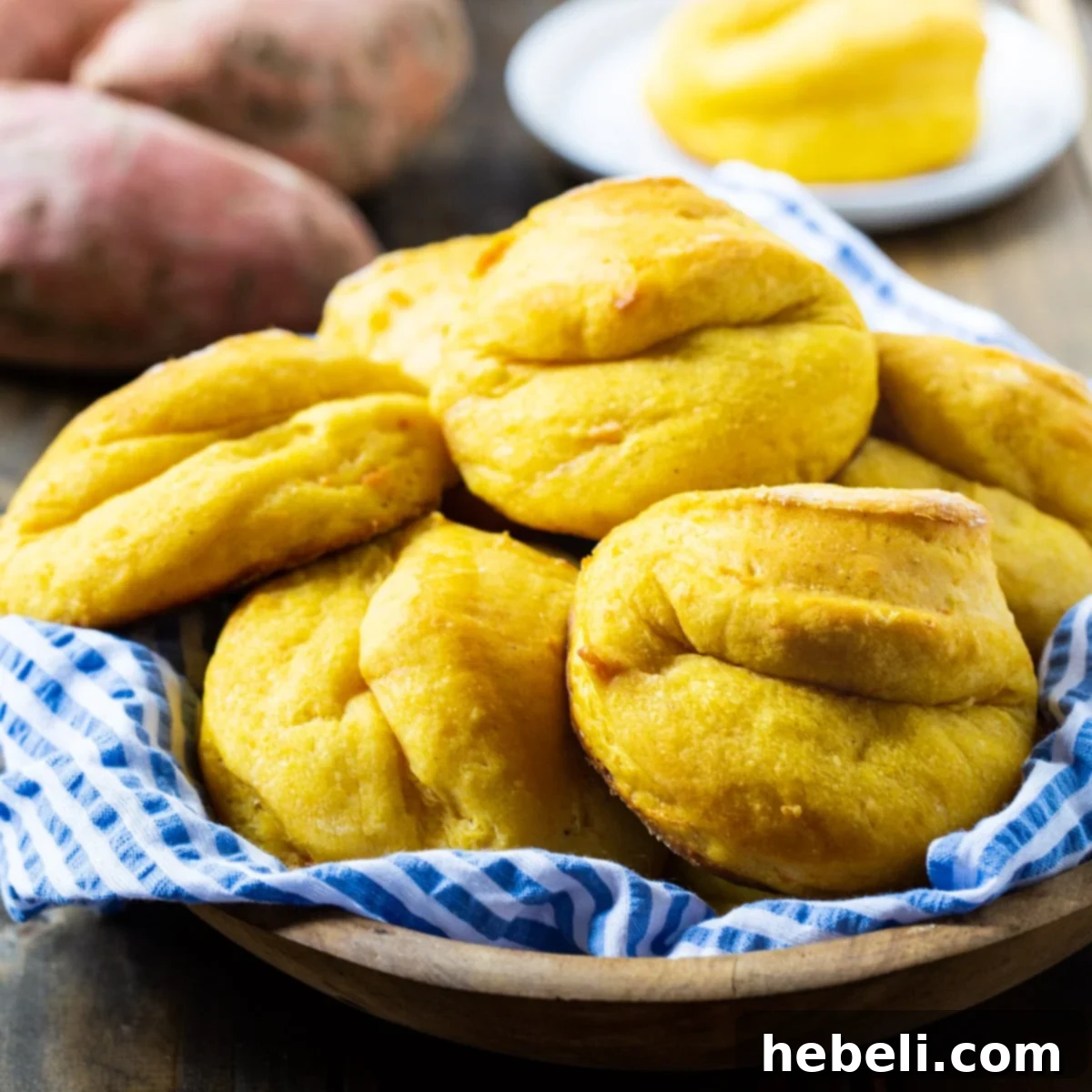
While many home bakers gravitate towards pumpkin during the autumn months, and I certainly appreciate a good pumpkin treat, my true passion lies with sweet potatoes. These versatile tubers are incredibly easy to work with and readily available, making them a fantastic ingredient for a wide array of baked goods. Their natural sweetness and vibrant color lend themselves beautifully to both sweet and savory applications, bringing a unique depth of flavor that pumpkin simply can’t match. From fluffy rolls to decadent desserts, sweet potatoes consistently deliver delicious results.
Transforming sweet potatoes into a smooth, creamy mash for your baking projects is wonderfully simple. Start by baking your sweet potatoes until they are fork-tender and incredibly soft. Once cooled slightly, discard the skin – it should peel away effortlessly – and mash the vibrant orange pulp. You can achieve a rustic texture with a fork, or opt for a perfectly smooth consistency by using a food processor or a potato ricer. This prepared sweet potato mash becomes the foundation for countless delectable creations. Beyond these delightful rolls, consider using it to craft moist sweet potato cupcakes topped with spiced buttercream, hearty sweet potato and bacon biscuits with cheddar, or rich and comforting sweet potato bars. The possibilities are truly endless, and each bite celebrates the humble sweet potato’s remarkable versatility.
A Touch of Sweetness and Irresistible Fall Spices
This particular recipe for sweet potato rolls originates from the esteemed Sara Foster’s Southern Kitchen cookbook, a culinary treasure I’ve long admired and eagerly awaited the chance to explore. To truly capture the essence of autumn, I’ve added a delicate touch of ground cinnamon and a whisper of nutmeg to the dough. These warm, inviting spices beautifully complement the natural sweetness of the sweet potatoes, creating a flavor profile that is both comforting and sophisticated. Thanks to both the inherent sweetness of the mashed sweet potatoes and a generous addition of granulated sugar, these yeasted rolls are wonderfully sweet without being overwhelmingly so. They strike the perfect balance, making them an ideal accompaniment to a savory supper or a delightful stand-alone treat. Their rich flavor and soft texture make them an instant favorite, earning them a permanent spot on your dinner table, especially during the festive holiday season.
One notable characteristic of this recipe is the generous yield—it produces an impressive four dozen rolls! While I often prepare the full amount, I highly recommend assessing your kitchen equipment. If you don’t possess an extra-large mixing bowl, consider halving the recipe to manage the dough more comfortably. My standard-sized mixing bowl was just barely adequate, and I found myself needing to proceed with extreme caution and at a very slow pace to avoid an overflowing disaster. Mixing such a large quantity of dough can be challenging, but with the right-sized bowl or a scaled-down recipe, it’s an enjoyable process. Don’t be deterred by the volume; the resulting abundance of delicious rolls is well worth the effort, ensuring you have plenty to share or to enjoy throughout the week.
Make-Ahead Magic: Storing Sweet Potato Roll Dough
Even if you decide to tackle the full, generous batch of dough, you are by no means obligated to bake all four dozen rolls at once. One of the most convenient aspects of this recipe, and a true time-saver, is the ability to prepare the dough in advance. The original cookbook notes suggest that the dough can be safely refrigerated for up to a week. While I haven’t personally verified the full seven-day storage period, I can confidently confirm that keeping the dough refrigerated for two days yielded excellent results; it remained perfectly viable and delicious. This flexibility is a game-changer for busy schedules or holiday meal planning.
For instance, I made half the rolls on one day, allowing the dough to rise slowly overnight in the refrigerator, which often enhances the flavor. The very next day, I transformed the remaining half of the dough into luscious cinnamon rolls, proving just how versatile this base recipe is. I’ll be sure to share that cinnamon roll recipe with you very soon! Beyond the sheer volume of dough you’re working with, this recipe is surprisingly straightforward. The primary tool that simplifies the process immensely is an electric mixer equipped with a dough hook attachment. This powerful duo handles all the laborious kneading for you, saving your arms and ensuring a perfectly developed, elastic dough every time. This hands-off approach makes creating these magnificent rolls accessible to bakers of all experience levels.
Mastering the Dough: A Key Recipe Tip
When you first combine the ingredients and begin mixing, you’ll notice that the sweet potato dough is quite sticky. This is an entirely normal and expected characteristic for this type of enriched yeast dough, so there’s absolutely no need for concern or the urge to add excessive amounts of flour. The stickiness is not a problem at this initial stage because your only immediate task is to transfer the dough from your mixing bowl to another generously greased bowl for its first rise. Once the dough has had ample time to rise—a process known as bulk fermentation—it undergoes a remarkable transformation. The yeast activity and gluten development will cause the dough to become significantly less sticky and much easier to handle. Trust the process; after its first rise, you’ll find the dough much more pliable and cooperative for shaping, making the subsequent steps a breeze.
Explore More Delicious Roll Recipes
If you’ve enjoyed baking these Sweet Potato Rolls, you’ll be thrilled to discover other fantastic roll recipes that are perfect for any occasion. Expanding your repertoire of homemade breads is a rewarding journey, and these tried-and-true recipes offer a variety of flavors and textures to explore:
- The BEST Yeast Rolls: A classic, foolproof recipe for unbelievably light and fluffy yeast rolls.
- Pocketbook Rolls: These iconic rolls are fun to make and perfect for stuffing with your favorite fillings.
- Buttery Pan Rolls: Simple to prepare and baked in a pan, these rolls are rich, tender, and always a crowd-pleaser.
- Whole Wheat Molasses Rolls: A wholesome and subtly sweet option, offering a deeper flavor profile.
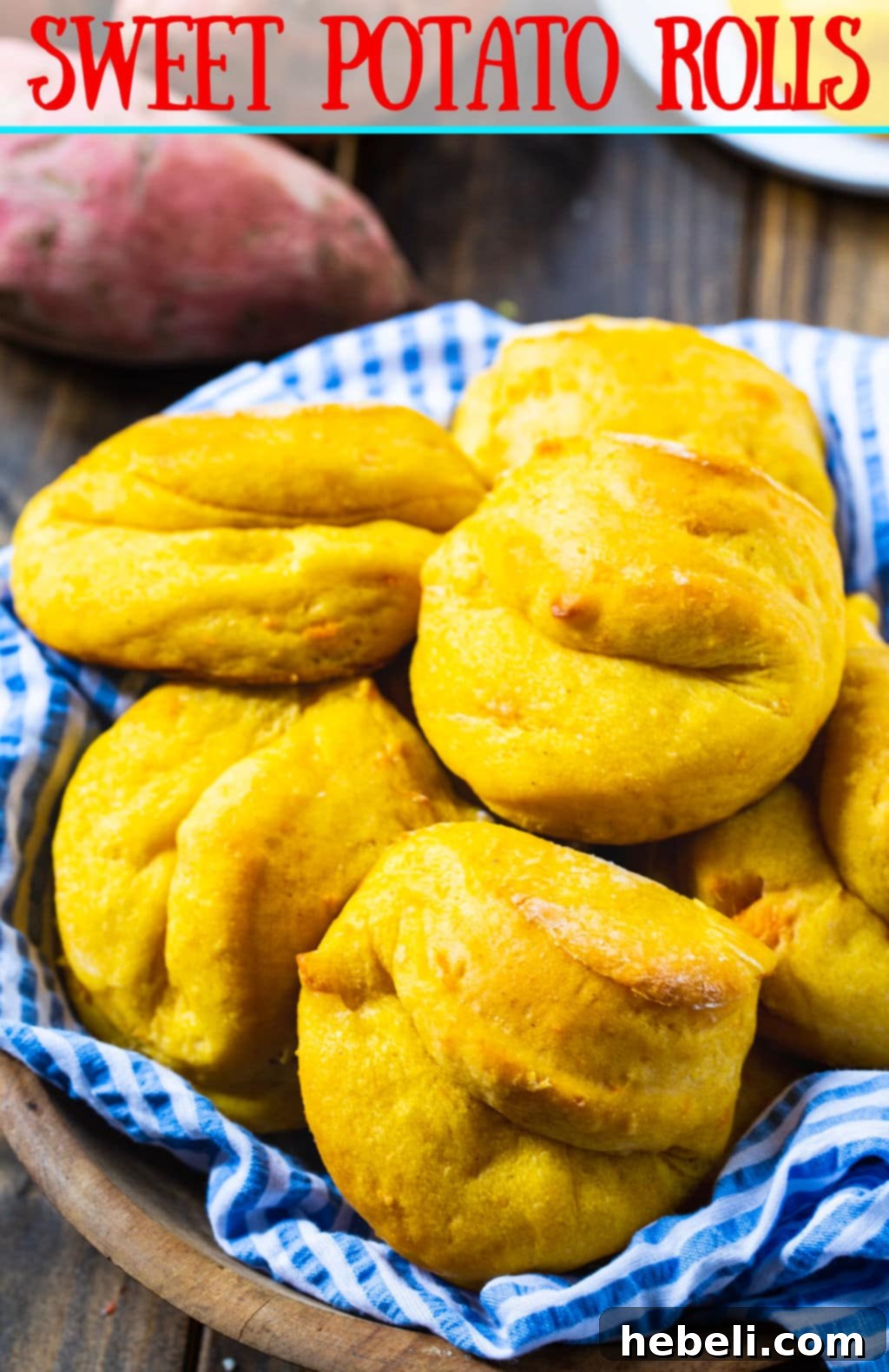
Sweet Potato Rolls Recipe
By Christin Mahrlig
Prep time: 20 mins
Cook time: 12 mins
Servings: 48 rolls
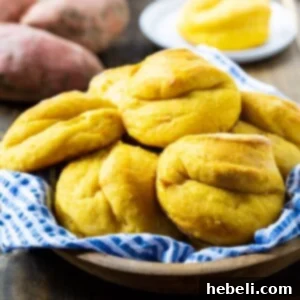
These golden-orange yeasted sweet potato rolls have a wonderful sweetness and a delightful hint of cinnamon and nutmeg, making them truly irresistible.
Ingredients
- 1 cup whole milk
- 1 1/2 sticks unsalted butter (12 tablespoons)
- 3/4 cup plus 1 teaspoon granulated sugar
- 2 teaspoons sea salt
- 1 tablespoon plus 1 teaspoon active dry yeast (from two 1/4 ounce envelopes)
- 1/2 cup warm water (105 to 115 degrees F)
- 2 cups mashed sweet potato (from 1 large or 2 small sweet potatoes, baked, peeled, and mashed)
- 2 large eggs, lightly beaten
- 1/4 teaspoon cinnamon
- 1/8 teaspoon nutmeg
- 6 1/2 to 7 cups all-purpose flour
- 3 tablespoons butter, melted (for brushing)
Instructions
- Lightly grease a very large bowl with vegetable oil and set it aside.
- In a medium saucepan, gently heat the milk and 1 1/2 sticks of butter over medium heat. Stir occasionally until the butter has completely melted and the milk is just scalded (small bubbles form around the edges, but it’s not boiling).
- Remove the saucepan from the heat. Add the 3/4 cup sugar and the sea salt, stirring until the sugar completely dissolves. Allow the mixture to cool to lukewarm. It’s crucial not to proceed until it’s lukewarm to protect the yeast.
- In a small separate bowl, combine the active dry yeast with the remaining 1 teaspoon of sugar. Stir in the warm water (ensure it’s between 105-115°F – too hot will kill the yeast, too cold won’t activate it). Let it sit undisturbed for 5 minutes until the mixture becomes frothy. This indicates the yeast is active. If it doesn’t froth, your yeast may be old or the water temperature was off; you’ll need to start this step over.
- Once the milk and butter mixture has cooled to lukewarm, add the frothy yeast mixture to it and stir gently to combine.
- In the bowl of a stand mixer, place the mashed sweet potato and the lightly beaten eggs. Using the dough hook attachment, beat these ingredients together until they are smooth and thoroughly combined.
- Add the milk-yeast mixture to the sweet potato mixture in the stand mixer bowl. Beat again until well incorporated. Introduce the cinnamon and nutmeg, mixing them into the dough.
- With the mixer running on low speed, gradually add approximately 6 1/2 cups of the all-purpose flour, a cup at a time. Stop occasionally to scrape down the sides of the bowl, ensuring all ingredients are fully integrated.
- After adding 6 1/2 cups of flour, if the dough remains excessively sticky, incorporate the remaining 1/2 cup of flour one tablespoon at a time. Be mindful not to add too much flour; this is meant to be a fairly sticky dough. It will become much less sticky and easier to manage after it rises.
- Increase the mixer speed to medium-low and continue to beat the dough for 3 to 4 minutes. This develops the gluten and creates a soft, elastic dough.
- Flour your hands well to prevent sticking. Carefully transfer the dough from the mixer bowl into the large, greased bowl you prepared earlier. Turn the dough over once or twice to ensure all sides are coated with a light layer of oil, which prevents it from drying out. Loosely cover the bowl with a clean kitchen cloth or plastic wrap (you can spray the plastic wrap lightly with cooking spray to prevent sticking as the dough expands). Allow the dough to rise in a warm, draft-free place for about 2 hours, or until it has doubled significantly in size. Alternatively, for enhanced flavor, you can let it rise slowly in the refrigerator overnight.
- While the dough is rising, lightly grease two large baking sheets.
- If you refrigerated the dough, remove it from the refrigerator and let it sit at room temperature for about 20 minutes before proceeding.
- Preheat your oven to 400 degrees Fahrenheit (200 degrees Celsius).
- Gently punch the risen dough down to release the air. Turn the dough out onto a lightly floured work surface. At this point, you can cut the dough in half if you wish to reserve a portion for another use, such as cinnamon rolls (simply return the unused portion to the refrigerator until ready).
- Roll out the dough to an even 1/2-inch thickness. Dip a 2 to 2 1/2-inch biscuit cutter in flour to prevent sticking, then cut as many circles as possible. Avoid twisting the cutter as you press down, as this can seal the edges and prevent the rolls from rising properly.
- Gather any excess dough, gently re-roll it, and cut out more circles until most of the dough has been used.
- Arrange the cut rolls on your prepared baking sheets, leaving a little space between each roll for expansion. Brush the tops of each roll with the 3 tablespoons of melted butter. Then, gently fold each roll in half, pressing lightly at the fold to create the classic pocketbook shape.
- Loosely cover the shaped rolls with a clean cloth and allow them to rise in a warm place until they have doubled in bulk, which typically takes about 30 to 40 minutes.
- Once risen, uncover the rolls and bake them in the preheated oven for 12 to 14 minutes. They should turn a beautiful golden brown on top and be cooked through.
Notes
This recipe yields a very large batch of rolls, so a spacious mixing bowl is highly recommended. If you don’t have one, consider dividing the recipe in half. The dough is wonderfully versatile; it can be stored in the refrigerator for up to a week, providing a convenient make-ahead option. This dough is also excellent for transforming into other treats like decadent cinnamon rolls or savory Pigs in a Blanket.
Nutrition
Calories: 112 kcal (per roll)
Nutrition information is automatically calculated, so should only be used as an approximation.
Did you make this?
Leave a comment below and tag us @spicysouthernkitchen on social media!
This recipe was proudly shared with the Country Cook’s Weekend Potluck.
Disclosure: This post contains an affiliate link.