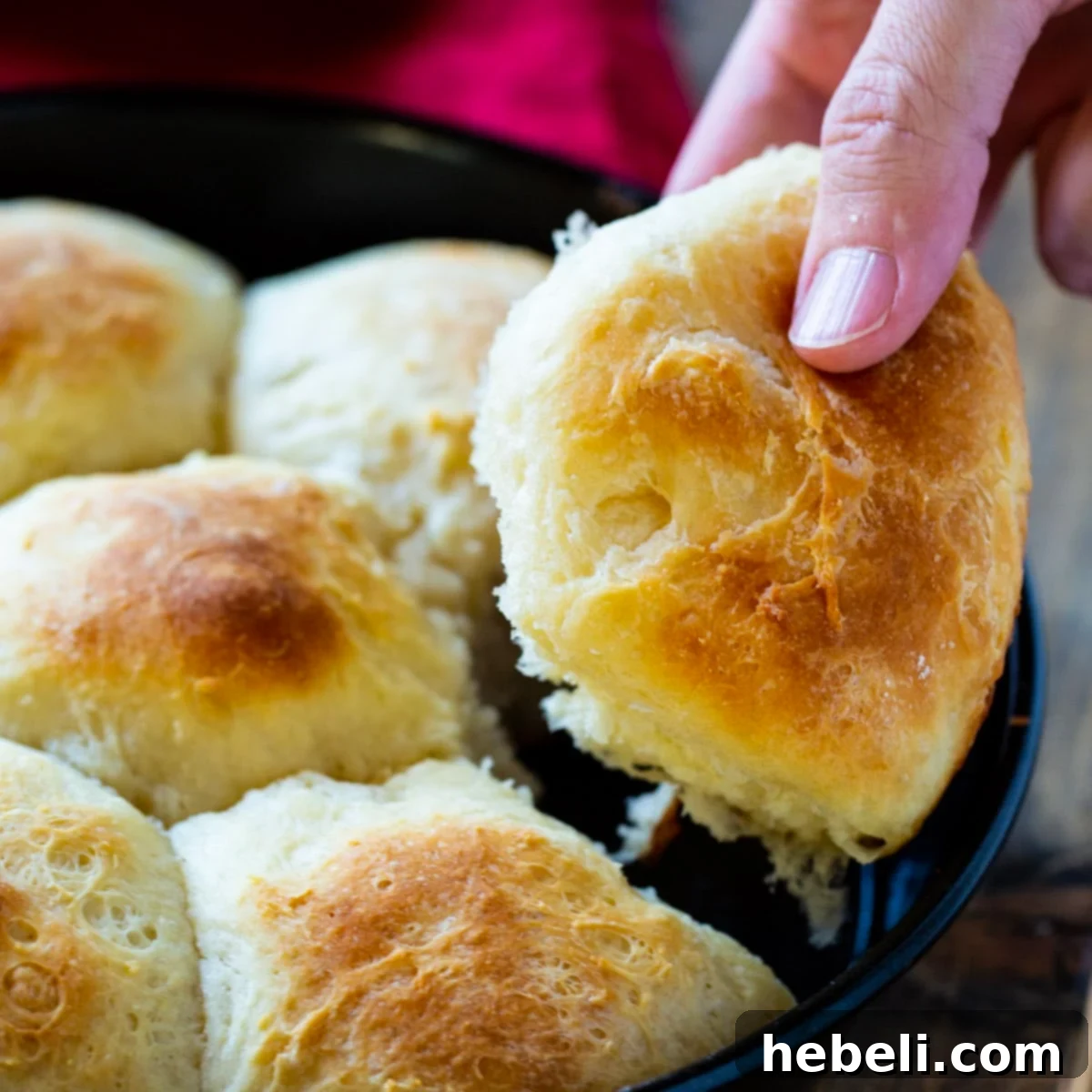
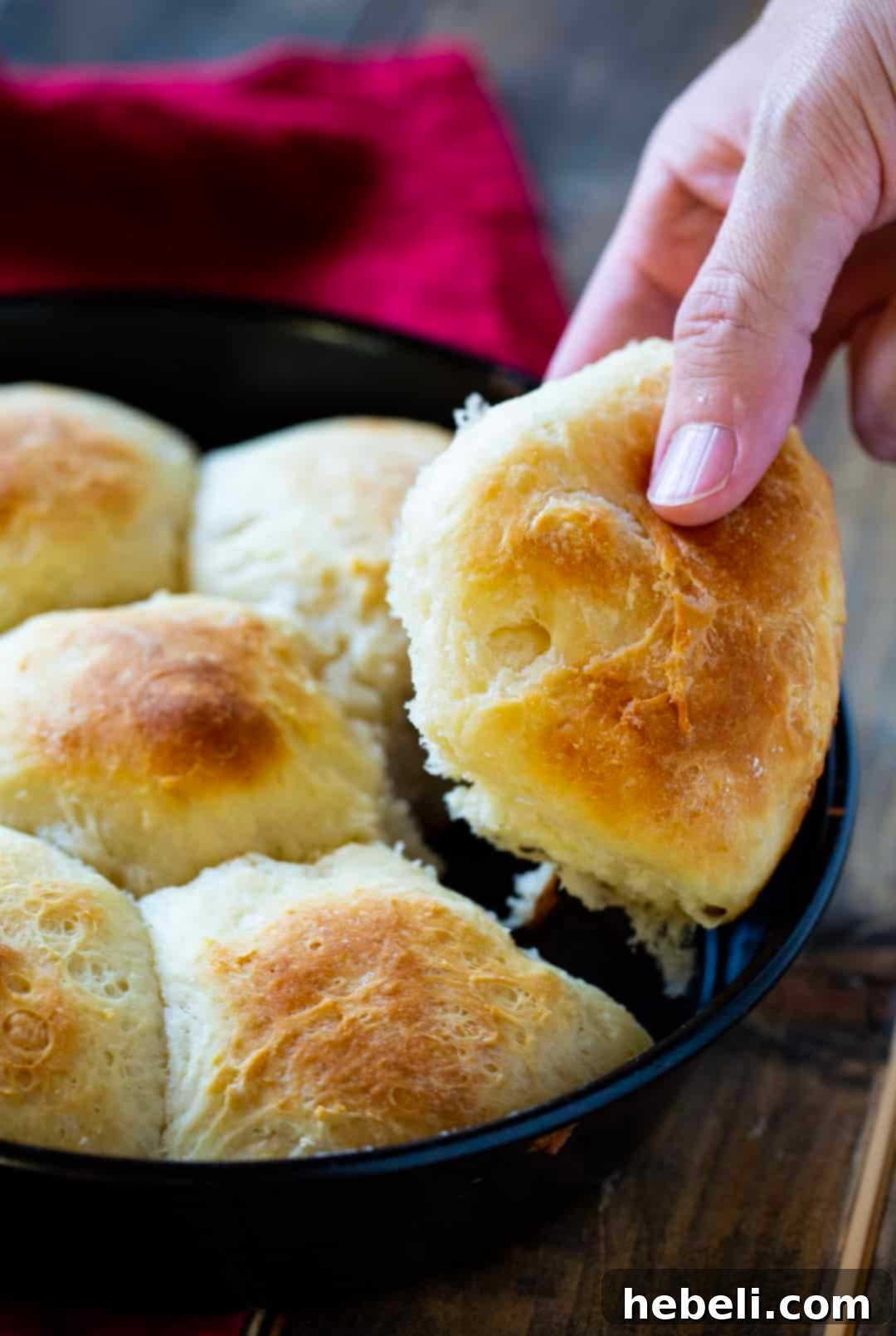
Transform your leftover mashed potatoes into something truly extraordinary! These homemade Potato Rolls cook up incredibly fluffy and golden, boasting a delightful hint of sweetness. Slather them with butter and prepare for a taste of pure homemade bread heaven.
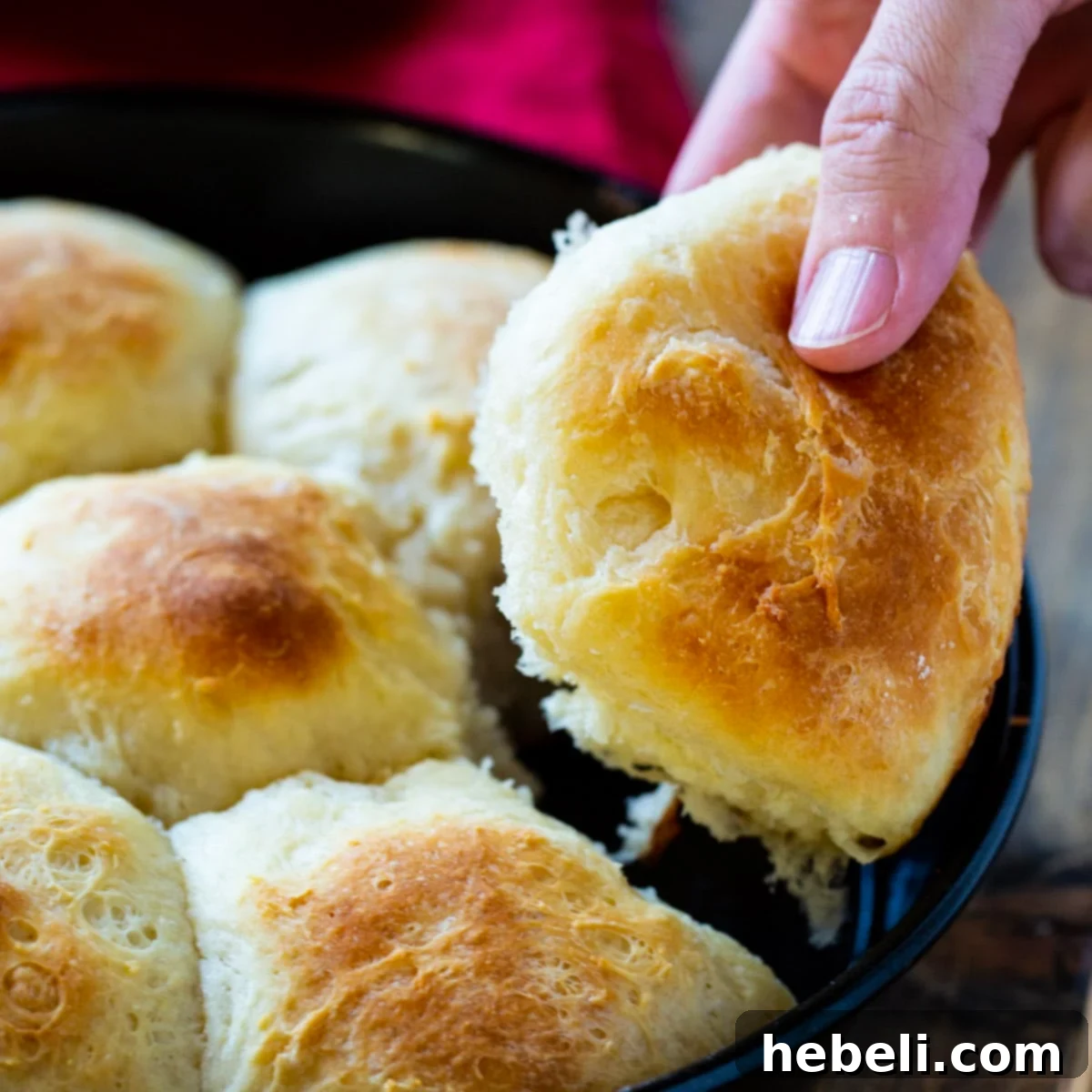
Is there anything more comforting and satisfying than a batch of warm, freshly baked bread or rolls? The aroma alone is enough to transport you to a cozy place, and the taste? Absolutely nothing from a store can compare to that tender, melt-in-your-mouth goodness straight from your own oven. These Potato Rolls elevate that experience, offering a unique texture and flavor profile that will quickly make them a family favorite.
The Magic of Leftover Mashed Potatoes in Baking
Many of us find ourselves with a small, often “scant” serving of mashed potatoes after a holiday feast or a hearty dinner. Instead of letting them go to waste, turn them into the secret ingredient for the most incredible potato rolls you’ll ever taste. Leftover mashed potatoes are not just a flavorful addition; they are a game-changer for the texture and moisture of your baked goods. The starch in the potatoes helps create an exceptionally tender crumb, while their inherent moisture ensures the rolls remain soft and fresh for days.
Utilizing leftover mashed potatoes in this recipe isn’t just about reducing food waste—though that’s a fantastic bonus! It also infuses these rolls with a subtle sweetness and a remarkable softness that plain flour rolls simply can’t achieve. This ingenious use of a common kitchen staple transforms it from a side dish into the star of your next bread basket. Beyond their unique taste and texture, these rolls offer incredible convenience. The dough, which makes enough for at least three batches of rolls, can be stored in the refrigerator for up to a week. Imagine the luxury of having fresh, warm rolls ready to bake almost instantly, multiple nights a week. A little time spent making the dough on Sunday evening can reward you with homemade bread on demand, bringing smiles to everyone at the dinner table all week long.
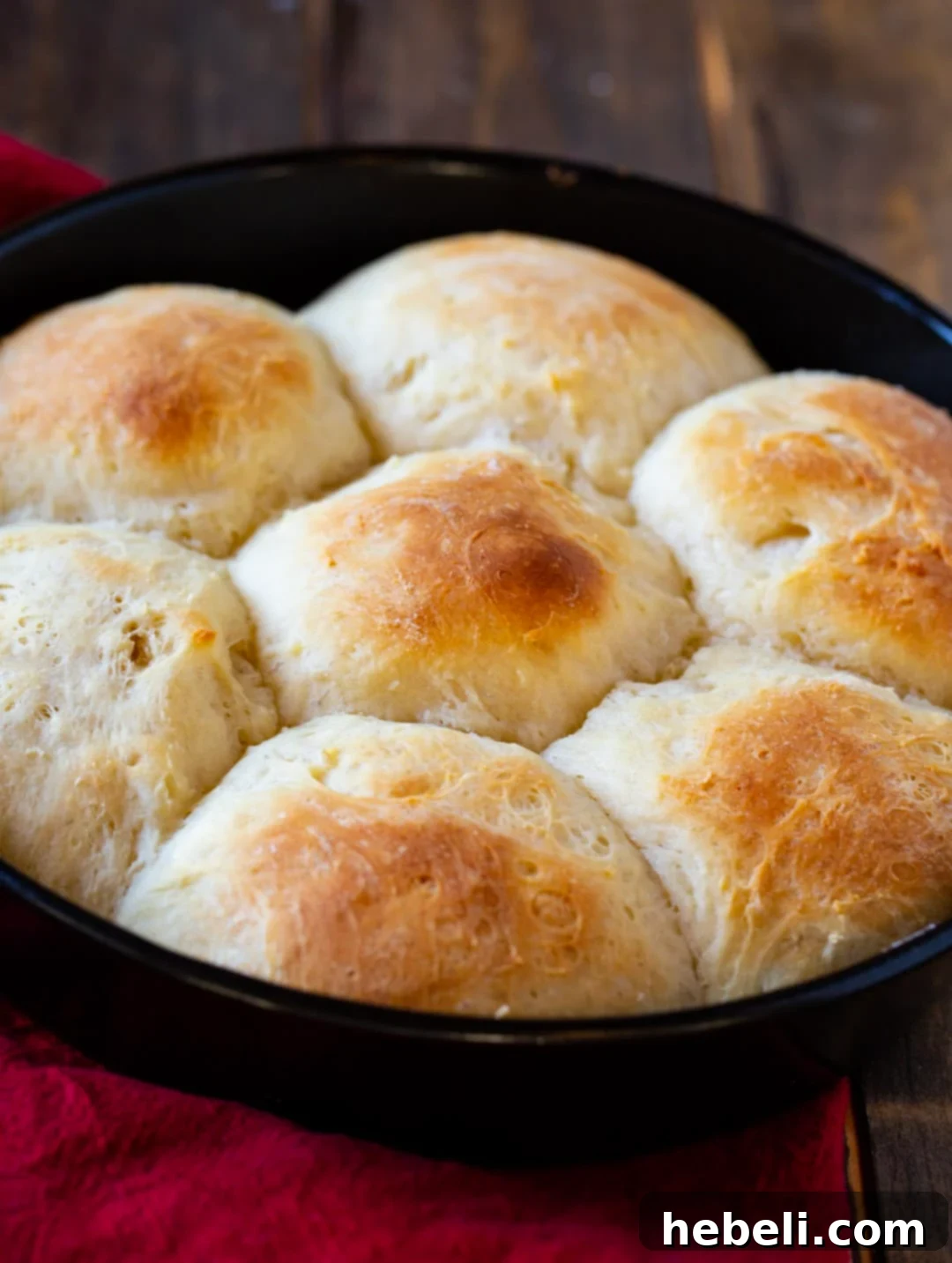
There’s a special joy that only warm, homemade rolls can bring, a simple pleasure that enhances any meal. These potato rolls deliver exactly that, making every dinner feel a little more special, a little more comforting.
What Makes Potato Rolls Taste So Good?
Potato Rolls possess a distinctive flavor and an unparalleled texture that sets them apart from traditional dinner rolls. Upon first bite, you’ll notice their incredibly light and fluffy consistency, almost cloud-like, giving way with minimal effort. This tenderness is directly attributable to the mashed potatoes incorporated into the dough, which also impart a subtle, earthy sweetness that is perfectly balanced. The rolls bake to a beautiful golden-brown on the outside, creating a delicate, slightly crisp crust, while the inside remains wonderfully pillowy and moist. They don’t taste overtly “potato-y,” but rather benefit from the potato’s starch and moisture, resulting in an enhanced bread experience that is both comforting and deeply satisfying. This combination of subtle sweetness, golden exterior, and pillowy interior makes them undeniably delicious and highly addictive.
Effortless Baking: No Kneading or Mixer Needed
One of the most appealing aspects of this potato roll recipe is its incredible simplicity. Forget about wrestling with sticky dough or hauling out heavy kitchen machinery; this dough requires absolutely no kneading, and you won’t even need a stand mixer. This makes it an ideal recipe for beginner bakers or anyone looking for a low-effort, high-reward baking project.
The entire mixing process can be done the old-fashioned way, with just a large mixing bowl and a sturdy wooden spoon. The magic behind this no-knead wonder lies in the combination of the mashed potatoes and the carefully chosen leavening agents. The potatoes contribute significantly to the dough’s softness and pliability, while the active dry yeast, baking soda, and baking powder work in harmony to create an astonishingly light and airy texture. This trio of leavening agents ensures that each roll is as light as a feather, rising beautifully without the need for extensive gluten development that kneading provides. It’s a testament to how simple ingredients can yield truly spectacular results, proving that homemade bread doesn’t have to be complicated.
Versatile Serving Suggestions for Potato Rolls
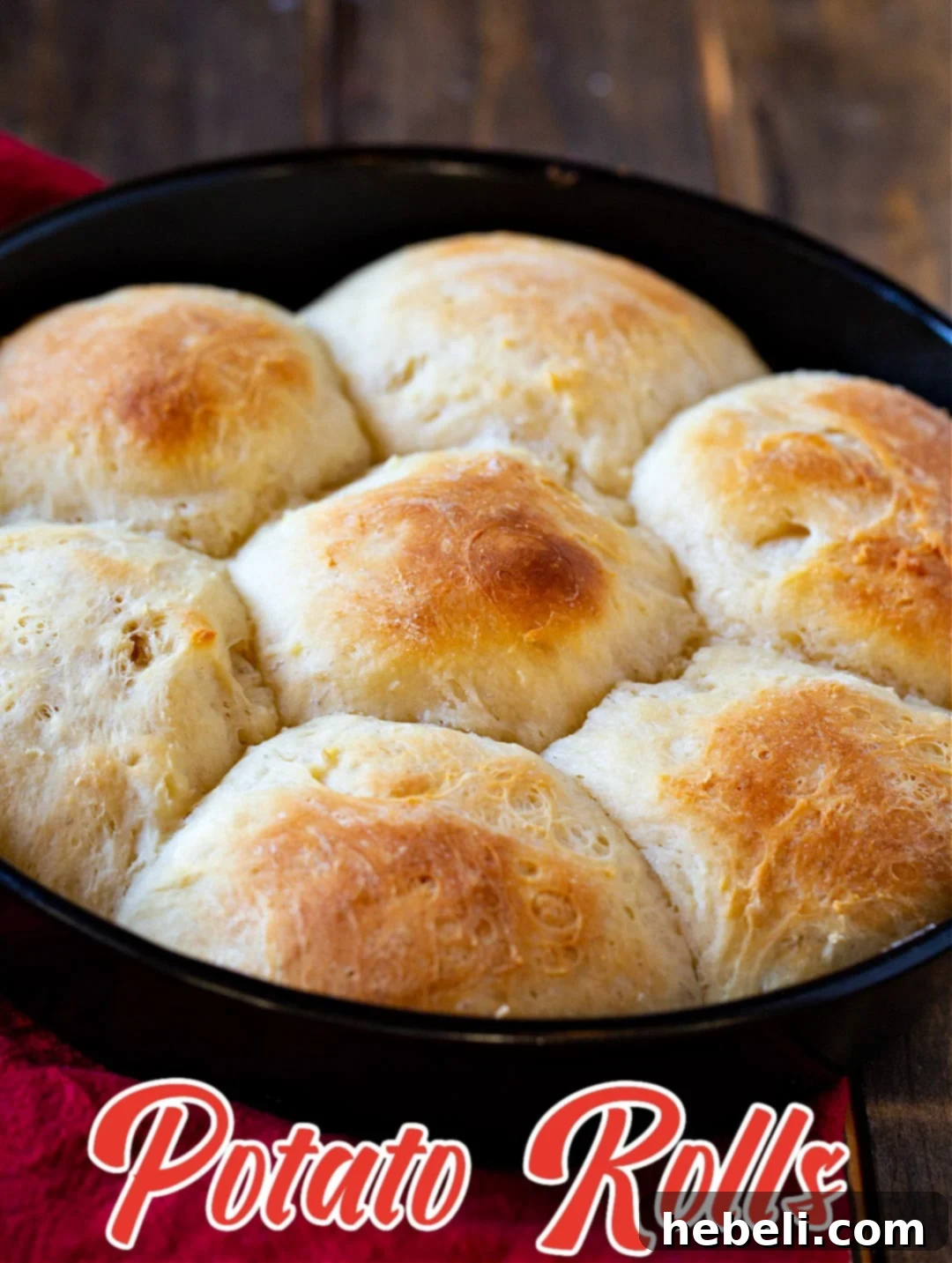
These Potato Rolls are incredibly versatile, making them a fantastic addition to virtually any meal, from everyday dinners to special holiday gatherings. They are a staple on our holiday tables for Thanksgiving, Christmas, and Easter, where their fluffy texture and slight sweetness beautifully complement rich holiday roasts and gravies. However, their utility extends far beyond festive occasions.
Imagine pairing these soft, warm rolls with a hearty bowl of soup, such as a rich and creamy tomato bisque or a robust lentil soup. They are particularly delightful alongside a savory dish like Creamy Potato Soup with Shrimp, where their mild flavor acts as a perfect counterpoint. Beyond traditional bread-and-soup pairings, these rolls also make excellent vessels for sandwiches. Use them as soft, pillowy buns for leftover turkey sandwiches the day after a holiday, or for everyday slider-style sandwiches filled with ham, roast beef, or your favorite deli meats. They’re also perfect for breakfast or brunch, served simply with butter and jam, or alongside eggs and bacon. Their comforting warmth and gentle sweetness make them universally appealing and a welcome addition to any plate, any time of day.
How to Store and Reheat Your Potato Rolls
Proper storage is key to keeping your homemade Potato Rolls fresh and delicious for as long as possible. Once cooled, store them in an airtight container or a large ziplock bag at room temperature for up to 5 days. While they are delightful at room temperature, it’s worth noting a crucial tip: they always taste best warm from the oven! A quick reheat can bring them back to their initial glory.
To enjoy that freshly baked experience, you can warm them in a 300-degree Fahrenheit oven for about 5-10 minutes, or until heated through and softened. If you’ve made a large batch (which this recipe allows!), these rolls freeze exceptionally well. Place them in a freezer-safe bag or container, ensuring as much air is removed as possible to prevent freezer burn. They can be frozen for up to a month. When you’re ready to enjoy them, simply transfer them to the refrigerator overnight to thaw. Then, warm them in a 300-degree oven as described above. This make-ahead and freeze option is perfect for meal prepping and ensures you can always have a stash of delicious homemade rolls ready to go, minimizing effort on busy weeknights or for unexpected guests.
Tips for Perfect Potato Rolls Every Time
Achieving the perfect batch of fluffy potato rolls is simple with a few helpful tips:
- Yeast Activation: Ensure your warm water is between 105-115°F (40-46°C). Water that’s too hot will kill the yeast, and water that’s too cold won’t activate it. If your yeast doesn’t become foamy after 5-10 minutes, it might be old or inactive, and it’s best to start with fresh yeast.
- Mashed Potato Consistency: For best results, use smooth, lump-free mashed potatoes. Avoid adding too much milk or butter to your mashed potatoes if you’re making them specifically for this recipe, as you want them to be moist but not overly wet. Unseasoned or lightly seasoned mashed potatoes are ideal to allow the roll’s natural flavors to shine.
- Don’t Over-Flour: It’s tempting to add more flour if the dough feels sticky, but resist the urge. A slightly sticky dough is often the secret to tender, fluffy rolls. Adding too much flour can result in dense, dry rolls.
- Proper Rising Environment: Yeast loves warmth! For the first rise, place your covered bowl in a warm, draft-free spot. If your kitchen is cool, you can turn your oven to its lowest setting (or just the light on) for a few minutes, then turn it off and place the dough inside. Ensure it’s not too hot.
- Shaping Consistency: Try to make your rolls roughly the same size and shape. This ensures they bake evenly and cook through at the same rate, preventing some from being overdone while others are still doughy.
- Baking to Golden Perfection: Keep an eye on your rolls in the last few minutes of baking. They should be beautifully golden brown on top. If they’re browning too quickly, you can lightly tent them with aluminum foil.
Why These Potato Rolls Will Become a Staple
These potato rolls are more than just a recipe; they’re an experience. They embody the comfort of homemade baking without the typical fuss. The innovative use of leftover mashed potatoes transforms what could be waste into a culinary delight, adding a unique depth of flavor and an incomparable tenderness that will leave everyone asking for more. Their make-ahead capability simplifies meal planning, allowing you to enjoy fresh, warm bread any day of the week with minimal effort. Whether it’s a grand holiday feast or a simple weeknight dinner, these fluffy, golden rolls are guaranteed to elevate the occasion and bring a touch of heartwarming goodness to your table. Give them a try, and discover your new favorite homemade bread recipe.
More Delicious Roll Recipes to Try
- Sally Lunn Rolls
- Sweet Potato Rolls
- Pocketbook Rolls
- Overnight Sour Cream Rolls
- Buttery Herb Yeast Rolls
- Buttery Pan Rolls
Potato Rolls
By Christin Mahrlig
Equipment
-
9-inch cake pan
-
Mixing Bowls
Ingredients
- ▢ 1/2 cup shortening
- ▢ 2 cups warm milk
- ▢ 1/2 cup sugar
- ▢ 1/2 cup mashed potatoes
- ▢ 3 (1/4-ounce) packets active dry yeast
- ▢ 1/4 cup warm water,, 105 to 115 degrees
- ▢ 2 eggs,, slightly beaten
- ▢ 1/2 teaspoon baking soda
- ▢ 2 teaspoons baking powder
- ▢ 2 teaspoons salt
- ▢ 6 cups all-purpose flour
Instructions
-
In a large bowl, stir together the shortening, warm milk, sugar, and mashed potatoes until well combined.
-
In a small separate bowl, dissolve the active dry yeast in the warm water. Let it sit for 5-10 minutes until foamy, indicating the yeast is active. Then, add this mixture to the ingredients in the large bowl.
-
Sift together the all-purpose flour, baking soda, baking powder, and salt onto a piece of wax paper or parchment paper. This ensures even distribution and removes any lumps.
-
Stir the slightly beaten eggs into the mashed potato/yeast mixture. As you continue to stir, gradually begin adding the sifted flour mixture, incorporating it until a cohesive dough forms.
-
Once all ingredients are thoroughly mixed and the dough is well combined, cover the bowl tightly with plastic wrap. You have two options for rising:
- For same-day baking: Let the dough rise at room temperature for 1 to 2 hours, or until doubled in bulk.
- For make-ahead convenience: Place the dough in the refrigerator to rise overnight. The cold temperature slows the yeast activity, developing more flavor.
Since this recipe yields enough dough for approximately 3 dozen rolls, you can section out 1/3 of the dough to rise at room temperature for immediate baking and store the remaining 2/3 in the refrigerator for later use. The refrigerated dough will keep well for 3-5 days.
-
Once the dough has doubled in bulk (either at room temperature or after being removed from the fridge and allowed to warm slightly if refrigerated), gently punch it down. Divide the dough and shape it into small balls, slightly larger than a golf ball. Arrange these shaped rolls in a greased 9-inch cake pan or other baking dish, leaving a little space between each roll for expansion. Cover the pan loosely with plastic wrap or a clean kitchen towel and let the rolls rise again in a warm, draft-free spot until doubled in bulk, approximately 30 minutes to 1 hour.
-
Preheat your oven to 375 degrees Fahrenheit (190°C). Bake the rolls in the preheated oven for about 15 to 18 minutes, or until they turn a beautiful golden brown on top.
Nutrition
Nutrition information is automatically calculated, so should only be used as an approximation.
Did you make this?Leave a comment below and tag us @spicysouthernkitchen on social media!
Originally posted December 11, 2014.