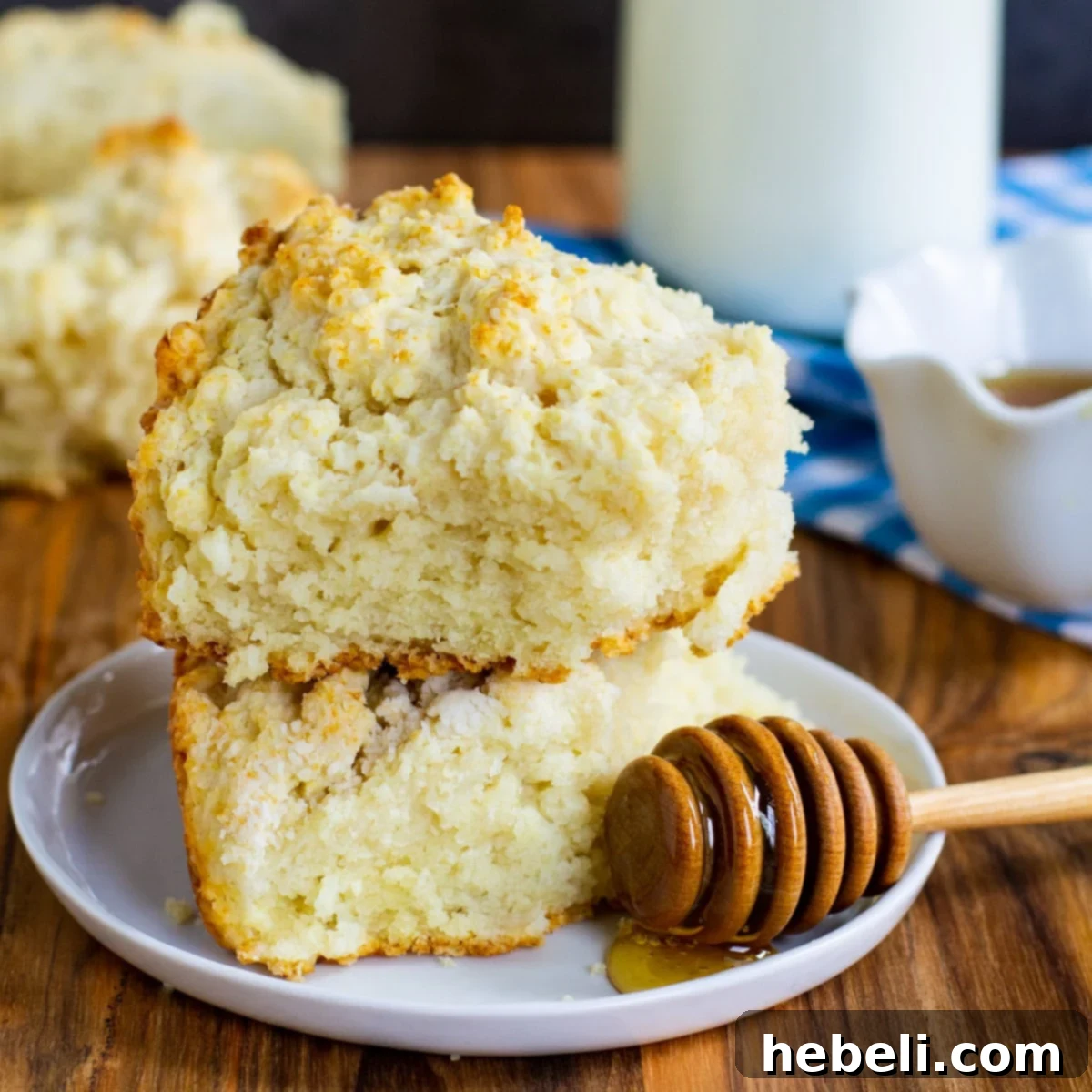
Fluffy Cat Head Biscuits: Your Guide to Perfectly Tender Southern Biscuits
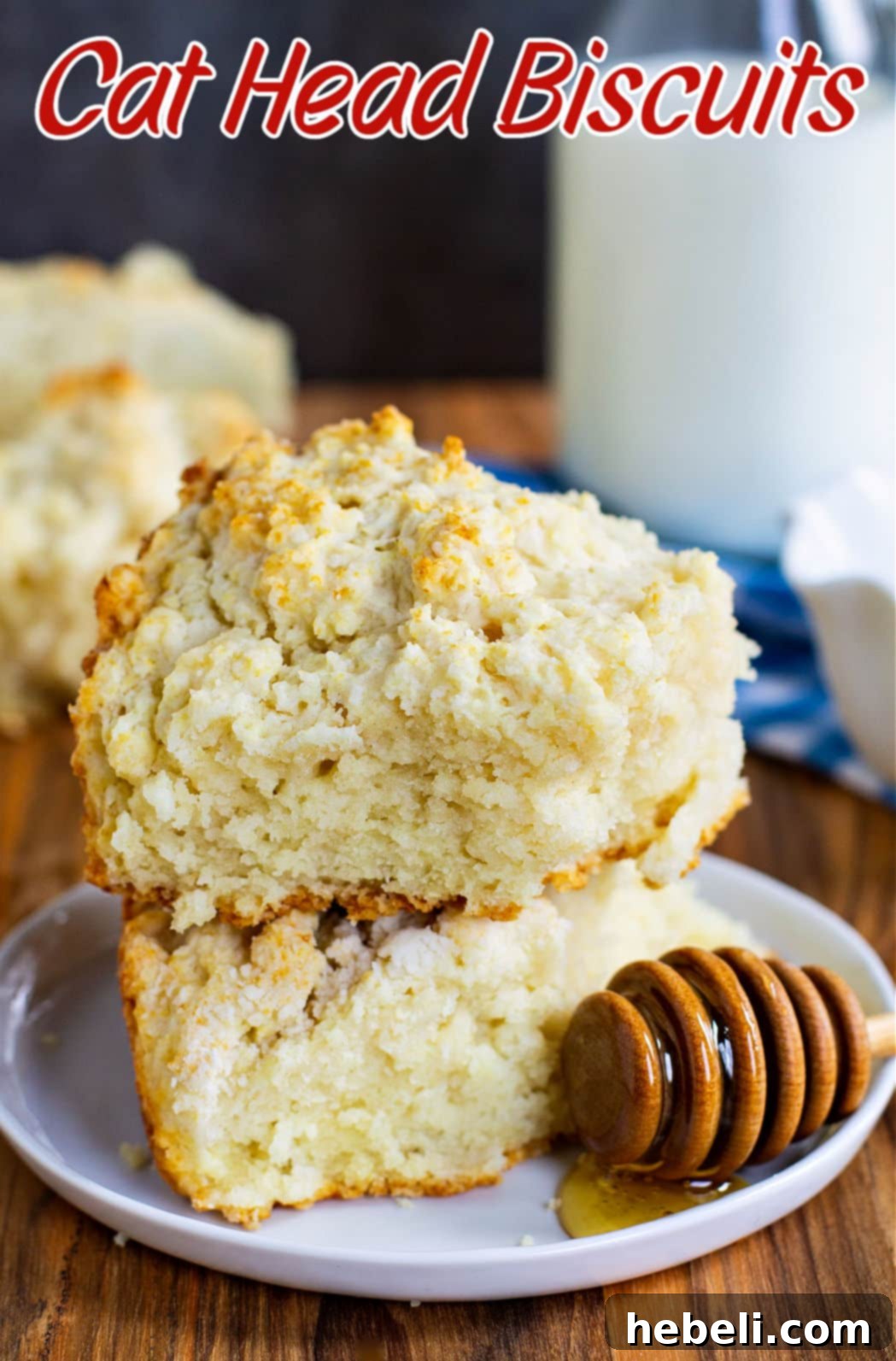
These Cat Head Biscuits are truly a revelation, standing out as one of my absolute favorite biscuit recipes. Imagine light, pillowy biscuits, so soft and airy they resemble fluffy clouds. Unlike those heavy, dark rain clouds that sometimes symbolize baking disappointments, these biscuits consistently achieve a perfect, tender interior with a beautifully golden-brown crust. They are an experience in comfort food, offering a delightful contrast between their slightly crisp exterior and their wonderfully soft, almost melt-in-your-mouth insides.
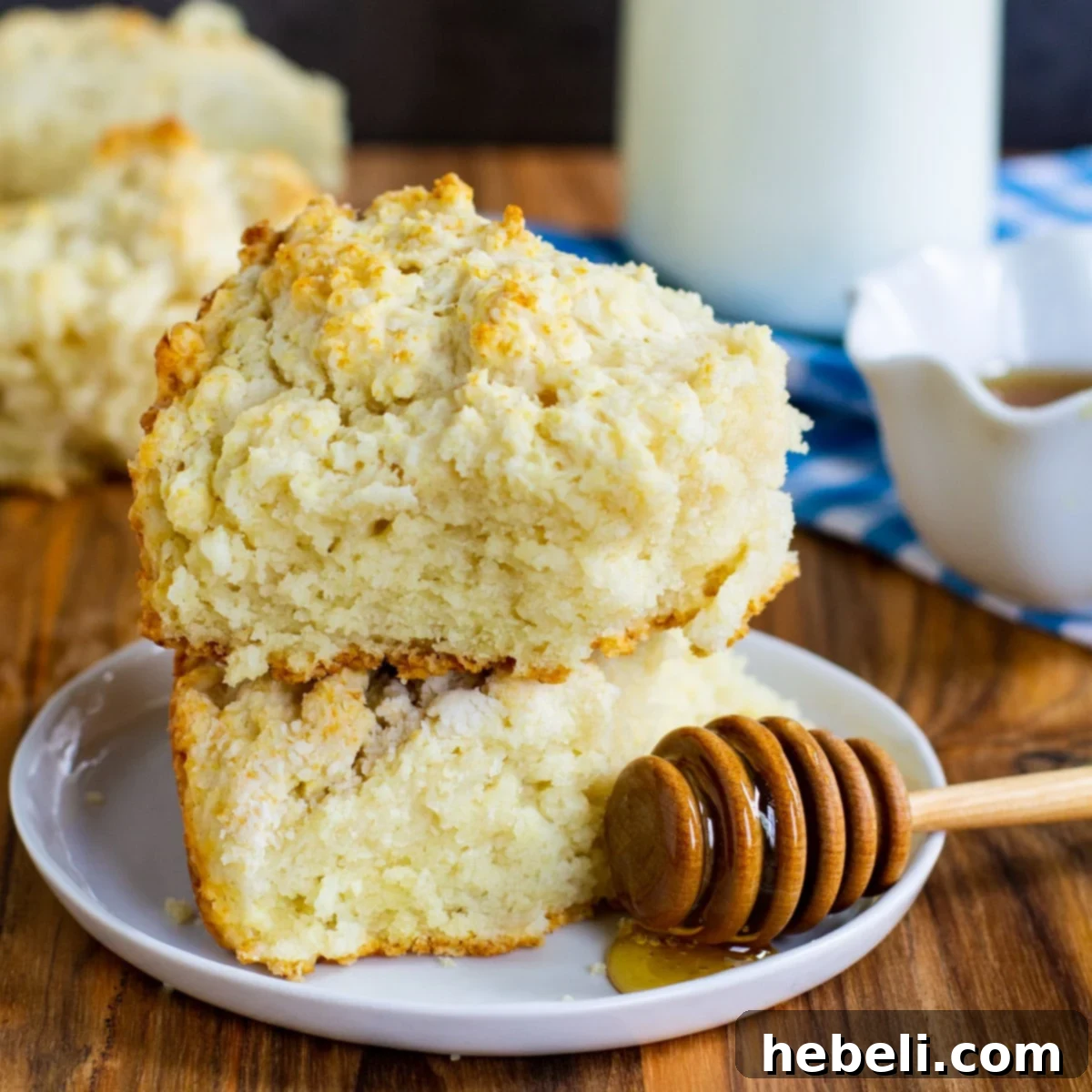
What Makes Cat Head Biscuits So Special?
The intriguing name “Cat Head Biscuits” isn’t a whimsical moniker; it’s a nod to their generous size. These biscuits are traditionally made to be as substantial as, well, a cat’s head! This Southern classic is renowned for being hearty and filling, making them a perfect companion for a robust breakfast or a comforting side dish. This particular recipe comes from America’s Test Kitchen, a source celebrated for its meticulous testing and innovative approaches to classic dishes. They’ve perfected a method that delivers truly exceptional results every time.
Southern biscuits are historically made with low-protein flours like White Lily or Martha White, which are cherished for producing an incredibly light and tender crumb. The theory is that the lower protein content minimizes gluten development, resulting in a softer texture. However, these specialized flours aren’t always readily available to everyone, and even when they are, achieving consistent results can sometimes be tricky for the home baker. This recipe ingeniously bypasses that hurdle, offering a reliable path to tender, fluffy biscuits without needing specialty flour.
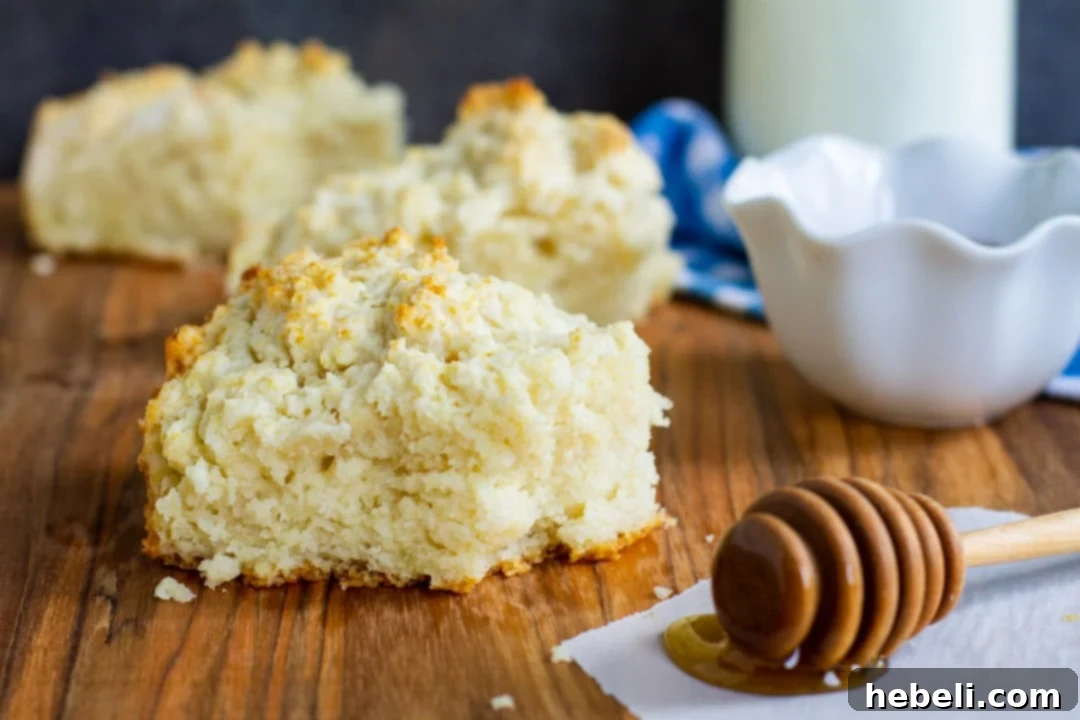
The Secret to Unbeatable Texture: All-Purpose Flour Plus Cake Flour
You might think achieving that signature Southern tenderness requires specific regional flours, but this recipe proves otherwise. Instead of relying on a hard-to-find low-protein flour, it cleverly employs a combination of readily available all-purpose flour, such as Pillsbury, with cake flour. This simple swap is a game-changer. Cake flour has a lower protein content and a finer grind than all-purpose flour, and it’s also typically chlorinated, which helps break down proteins and allows the flour to absorb more liquid. When combined with all-purpose flour, it mimics the characteristics of traditional Southern biscuit flour, resulting in an exceptionally tender crumb without any extra fuss. This innovative approach makes truly authentic-tasting Southern biscuits accessible to any baker, no matter where they are located.
Butter and Shortening: The Flavor and Fluffiness Dynamic
The choice of fat is crucial in biscuit making, and this recipe uses a masterful blend of butter and shortening. This combination is key to achieving both a rich, buttery flavor and an incredibly tender texture. Butter contributes that irresistible, deep dairy flavor that makes biscuits so comforting. Shortening, on the other hand, excels at creating tenderness and a delicate crumb. Unlike butter, shortening has a higher melting point and 100% fat content, which helps prevent excessive gluten formation and contributes to a wonderfully soft biscuit that practically melts in your mouth.
For many biscuit recipes, chilling the fat is essential for achieving flaky layers. However, with Cat Head Biscuits, fluffiness and tenderness are the primary goals, not flakiness. Therefore, there’s no need to chill the butter and shortening beforehand. Using softened fats allows them to be more evenly incorporated into the flour, leading to a uniform, soft texture rather than distinct layers. This simplifies the process considerably, making these biscuits even easier to prepare without compromising on their signature fluffy quality.
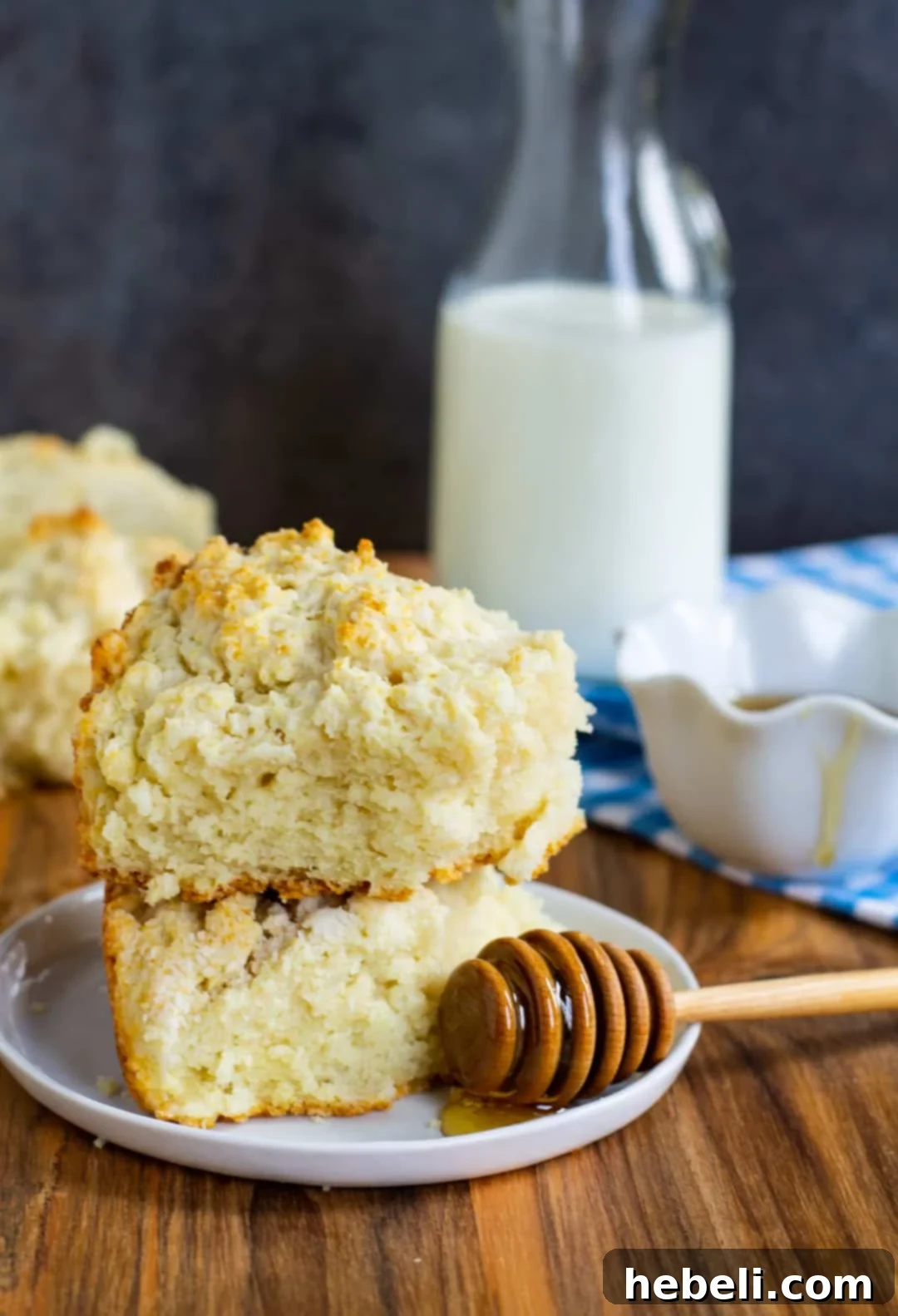
Mastering the ‘Sticky Dough’ Technique
Perhaps the most distinctive and reassuring aspect of this recipe is the nature of its dough. Unlike traditional biscuit doughs that are often firm and easy to handle, this dough will be noticeably sticky and wet. And that, surprisingly, is exactly what you want! The high moisture content is fundamental to achieving the extraordinary tenderness and softness that defines Cat Head Biscuits. Resist the urge to add more flour to make it less sticky, as this will lead to a tough and dry biscuit.
The beauty of this dough is that there’s absolutely no need for kneading – no pun intended! Excessive handling develops gluten, which is great for chewy bread but detrimental to tender biscuits. Instead, all you have to do is stir the dough gently until the ingredients are just combined. As soon as it comes together into a shaggy, cohesive mixture, stop mixing. Then, using a well-greased 1/2-cup measuring cup or an ice cream scoop, simply scoop the sticky dough into generous mounds directly into a cake pan. Arrange one in the center and the others in a circle around it. This free-form, drop-biscuit style not only makes the process incredibly easy but also contributes to their rustic charm and soft texture. The close proximity of the biscuits in the pan helps them rise tall and stay moist as they bake, touching each other to create soft sides.
These biscuits taste nothing short of heavenly and are versatile enough to grace a special holiday brunch or elevate an everyday family meal into something extraordinary. They’re a simple pleasure that delivers immense satisfaction.
Serving Suggestions for Your Cat Head Biscuits
Once out of the oven, these magnificent biscuits are ready to be enjoyed in countless ways. Their soft texture and buttery flavor make them incredibly versatile. For a classic Southern experience, serve them warm with a generous smear of butter, your favorite fruit jam, or a drizzle of golden honey or molasses. They are also absolutely divine when split open and smothered in a rich, homemade sausage gravy – the ultimate comfort breakfast. Consider them alongside fried chicken, a hearty chili, or a comforting stew. For a breakfast sandwich, slice them horizontally and fill with scrambled eggs, cheese, and bacon or sausage. Their large size makes them perfect for soaking up gravies or becoming the base for any savory topping. The possibilities are truly endless!
Storing and Reheating for Lasting Freshness
While these biscuits are undoubtedly best enjoyed warm from the oven, their deliciousness can extend for a couple of days with proper storage. Once completely cooled, place them in an airtight container at room temperature for up to 2 days. To bring them back to their initial glory, reheat them in a preheated 325°F (160°C) oven for about 5-10 minutes, or until warmed through and slightly crisp on the exterior. Avoid overheating, as this can dry them out. For longer storage, you can freeze baked and cooled biscuits in a freezer-safe bag for up to 2-3 months. Thaw them at room temperature, then reheat as directed above for a quick and easy treat anytime.
Troubleshooting Common Biscuit Baking Challenges
Even with a straightforward recipe, baking can sometimes present unexpected challenges. Here are a few tips to ensure your Cat Head Biscuits turn out perfectly every time:
- Biscuits are Tough or Dry: This is often due to overmixing the dough or adding too much extra flour. Remember, the dough should be sticky, and you only need to mix until it just comes together. Minimal handling is key to tenderness. Ensure your measuring cups are accurate and you’re not compacting the flour when measuring.
- Biscuits Don’t Rise: Check the freshness of your leavening agents – baking powder and baking soda can lose potency over time. Also, ensure your oven is preheated to the correct temperature; a hot oven helps the biscuits rise quickly.
- Uneven Browning: Oven hot spots can cause some biscuits to brown more quickly than others. If you notice this, you can rotate the pan halfway through the baking process. Using a light-colored metal pan might also help achieve more even browning compared to dark pans.
- Biscuits Stick to the Pan: Always grease your cake pan thoroughly. A quick spray with cooking spray usually does the trick for this recipe. If you’re using an older pan, a light dusting of flour after greasing can provide extra insurance.
More Delicious Biscuit Recipes
- Callie’s Buttermilk Biscuits
- Cinnamon Sugar Drop Biscuits
- Brown Sugar Bacon Biscuits
- Red Lobster Biscuits
- Bacon Cheddar Biscuits
- Sweet Little Biscuits
- Jalapeno Cheddar Biscuits
- Angel Biscuits
- 3-Ingredient Buttermilk Biscuits
Cat Head Biscuits
By Christin Mahrlig
15 mins
20 mins
35 mins
6
Outrageously fluffy and tender biscuits that are super easy to make, perfect for any Southern comfort meal.
Equipment
- 9-inch cake pan
Ingredients
- 1 1/2 cups all-purpose flour
- 1 1/2 cups cake flour
- 1 tablespoon baking powder
- 1/2 teaspoon baking soda
- 1 teaspoon salt
- 8 tablespoons unsalted butter, cut into 1/2-inch pieces and softened
- 4 tablespoons vegetable shortening, cut into 1/2-inch pieces
- 1 1/4 cups buttermilk
Instructions
-
Place oven rack in upper-middle position and heat oven to 425 degrees F (220 C). Grease a 9-inch cake pan thoroughly.
-
In a large bowl, whisk together the all-purpose flour, cake flour, baking powder, baking soda, and salt until well combined.
-
Scatter the softened pieces of butter and shortening evenly across the top of the flour mixture. Use your fingertips to gently rub the butter and shortening into the flour until the mixture resembles coarse meal. Be careful not to overwork.
-
Pour in the buttermilk and stir with a spoon or spatula just until the dough comes together. The dough will be very sticky and wet – this is normal and desired for tender biscuits. Do not overmix.
-
Spray a 1/2-cup measuring cup with cooking spray to prevent sticking. Scoop and drop 6 heaping mounds of the sticky dough into the prepared cake pan. Place one mound in the center and arrange the remaining five in a circle surrounding it.
-
Bake for 20 to 25 minutes, or until the tops are golden brown and the biscuits are cooked through.
-
Remove from the oven and let cool in the pan for 10 minutes before serving warm.
Notes
You can substitute the mixture of all-purpose and cake flour with 3 cups of White Lily or Martha White self-rising flour if you have it available. Omit baking powder, baking soda, and salt if using self-rising flour.
Biscuits are best eaten immediately after baking, but leftovers can be stored in an airtight container at room temperature for up to 2 days. Reheat in a 325 F degree (160 C) oven for about 5-10 minutes.
Recipe Source: Cook’s Country Magazine.
Nutrition
Nutrition information is automatically calculated and should only be used as an approximation. Exact values may vary based on ingredients and preparation methods.
Did you make this?
Leave a comment below and tag us @spicysouthernkitchen on social media!
Originally posted April 18, 2014, this beloved recipe continues to bring joy to countless kitchens.
Disclosure: This post may contain affiliate links.