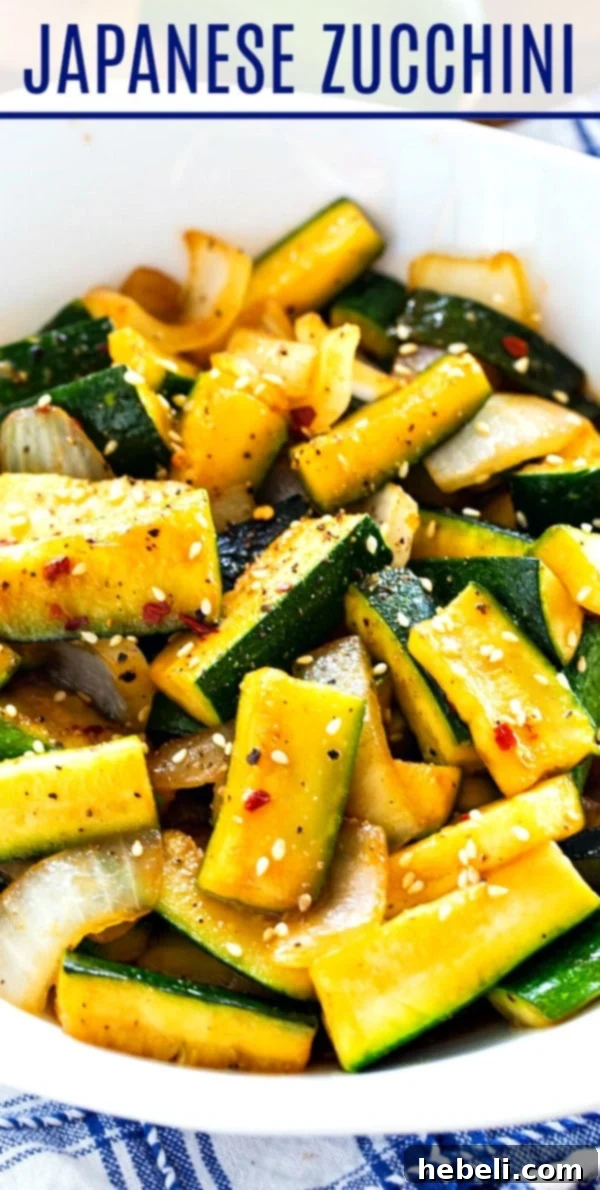
Easy Japanese Zucchini: A Flavorful Hibachi-Style Side Dish
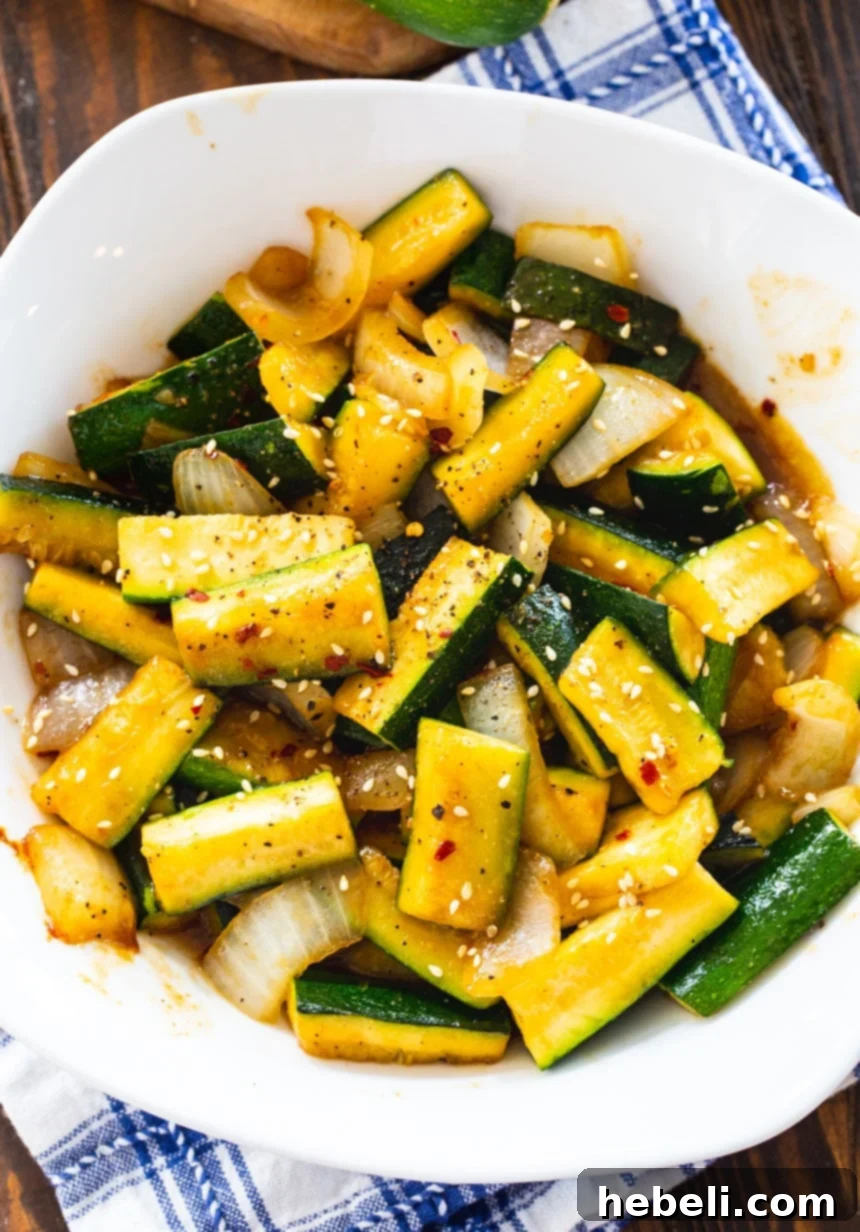
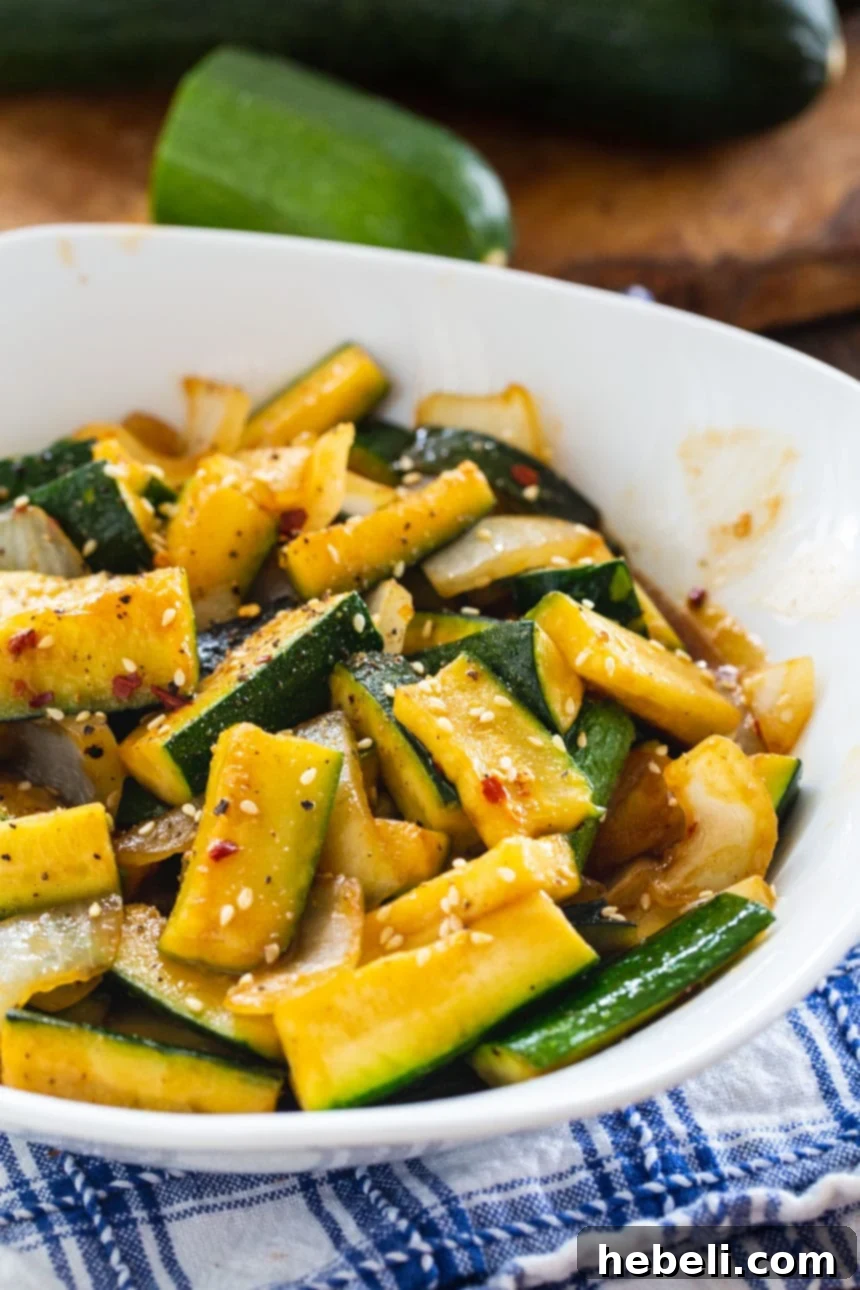
Experience the simplicity and vibrant flavors of this easy Japanese Zucchini recipe, a perfect side dish inspired by popular hibachi-style cooking. Tender zucchini and sweet onions are quickly sautéed in a savory blend of soy sauce and teriyaki sauce, with just a hint of red pepper flakes for a subtle kick. This versatile dish is an ideal companion to any Asian-inspired meal, grilled seafood, chicken, or steak, and can even stand alone as a delightful vegetarian main course when served over a bed of fluffy rice.
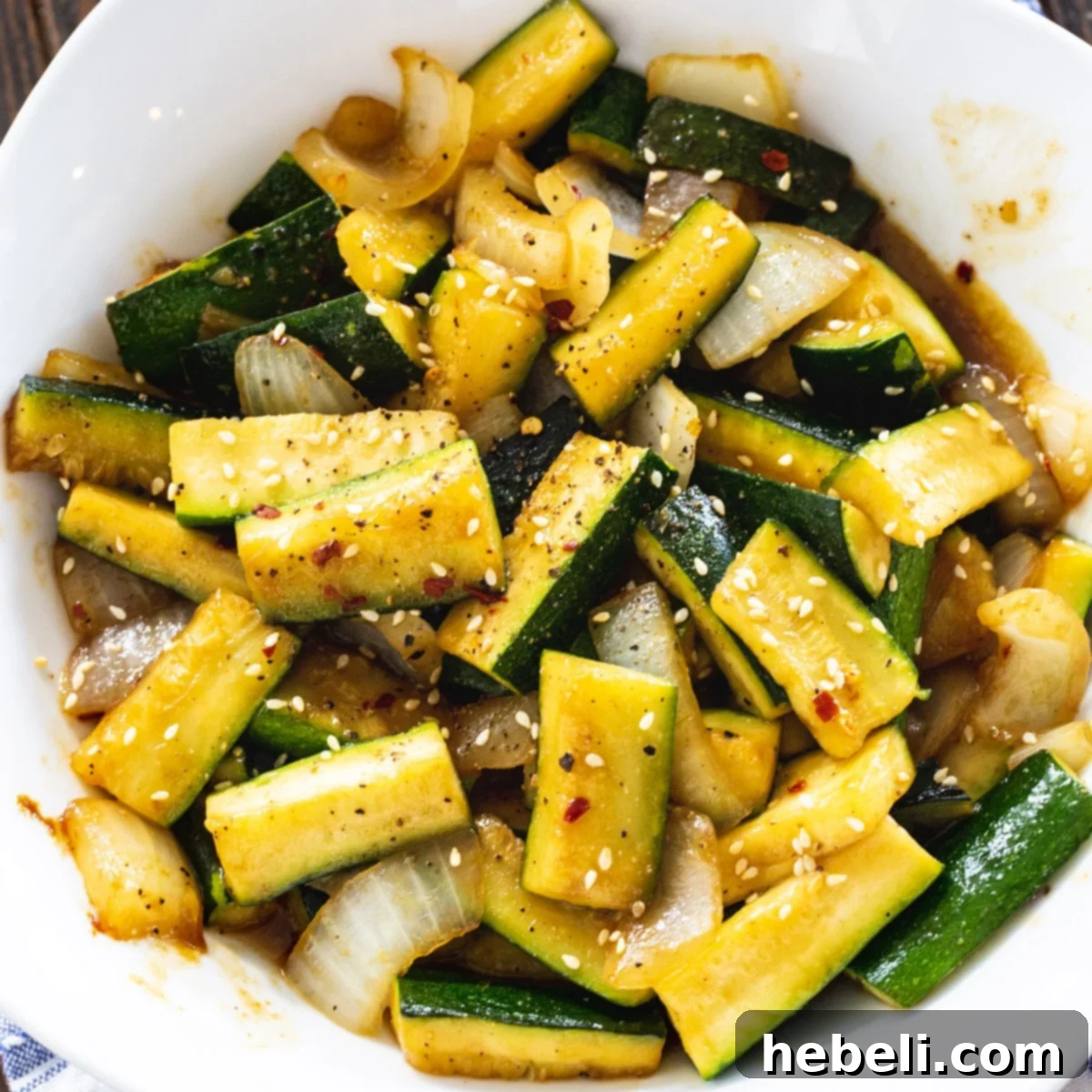
Summer brings an abundance of fresh zucchini, and finding new, exciting ways to enjoy this versatile vegetable is always a culinary adventure. From simple sautéed dishes to elaborate stuffed creations, zucchini is a backyard garden staple that offers endless possibilities. This Japanese Zucchini recipe quickly became a family favorite in our home, not only for its incredible taste but also for its effortless preparation. In just minutes, you can transform humble zucchini into a dish that’s bursting with umami and a satisfying texture, often disappearing from the table in record time!
Why You’ll Love This Easy Zucchini Recipe
This recipe truly shines for several compelling reasons, making it a must-try for both novice and experienced cooks. First, its **speed and simplicity** make it an absolute winner for busy weeknights. From the moment you begin slicing your zucchini to the moment it’s ready to serve, you’re looking at less than 15 minutes of active time. This means you can whip up a healthy and delicious side without any stress, even on your most hectic days. Forget complicated steps or lengthy ingredient lists; this recipe focuses on minimal effort for maximum flavor.
Second, the expert combination of soy sauce and teriyaki creates a **perfect balance of sweet and savory flavors** that complements the mildness of zucchini beautifully. These classic Asian sauces infuse the zucchini with a rich, umami depth that’s incredibly satisfying. The red pepper flakes add a customizable warmth, making it appealing to both spice lovers and those who prefer a milder taste. You can easily adjust the heat to suit your family’s preferences, ensuring everyone enjoys it.
Beyond convenience, this Japanese Zucchini offers **incredible versatility**. It pairs wonderfully with almost any protein, from grilled salmon or pan-seared scallops to baked chicken or flavorful pan-seared tofu. Its light yet flavorful profile perfectly balances richer main dishes. For a complete and satisfying vegetarian meal, simply pile it high over freshly steamed white or brown rice, allowing the grains to soak up the delectable sauces. It’s also a fantastic way to introduce more vegetables into your diet, and even the pickiest eaters often enjoy its mild, savory profile. Plus, it’s a healthy option, packed with nutrients and relatively low in calories, making it a guilt-free addition to any meal plan.
Understanding the Star Ingredient: Zucchini
Zucchini, a widely popular summer squash, is celebrated not only for its delicate flavor and adaptability but also for its impressive nutritional profile. It’s exceptionally low in calories, carbohydrates, and fat, making it an excellent choice for those mindful of their diet and seeking to incorporate more nutrient-dense foods. This versatile vegetable is rich in essential vitamins, including a significant amount of Vitamin A and Vitamin C, which are crucial for immune function and skin health. It also provides a good source of potassium, important for maintaining healthy blood pressure, and is packed with various antioxidants that help combat oxidative stress in the body. Its high water content, approximately 95%, also contributes significantly to hydration, especially during warmer months.
When selecting zucchini for this recipe or any other, look for firm, blemish-free squash with a vibrant, glossy color. Avoid any zucchini that feels soft, mushy, or has wrinkled skin, as these are signs of spoilage. Smaller to medium-sized zucchini, typically about 6-8 inches long, tend to have a sweeter, more tender flavor and fewer, smaller seeds, making them ideal for cooking. Larger zucchini can sometimes be watery or bitter, and their seeds might be too large and tough. For optimal freshness, store your zucchini unwashed in a plastic bag or crisper drawer of your refrigerator, where it will stay fresh for up to a week. Wash thoroughly just before use.
Authentic Hibachi Flavors at Home
While this recipe might be simpler in execution than the theatrical display of a traditional hibachi grill experience, it expertly captures the essence of those beloved Japanese steakhouse flavors. The key lies in the high-heat, quick-cooking method, which is characteristic of hibachi cooking. This technique allows the zucchini to retain a slight crispness – a perfect al dente texture – while simultaneously developing a savory depth from the quick absorption of the soy and teriyaki sauces. The sweet onion plays a crucial role, adding another layer of rich flavor and aromatic sweetness, perfectly caramelizing alongside the zucchini to create an irresistible combination that mimics your favorite restaurant experience. It’s a taste that transports you straight to your favorite Japanese eatery, all from the comfort and convenience of your own kitchen, without needing a flat-top grill or a chef’s knife-wielding show.
Japanese Zucchini Recipe
7 mins
6 mins
13 mins
4
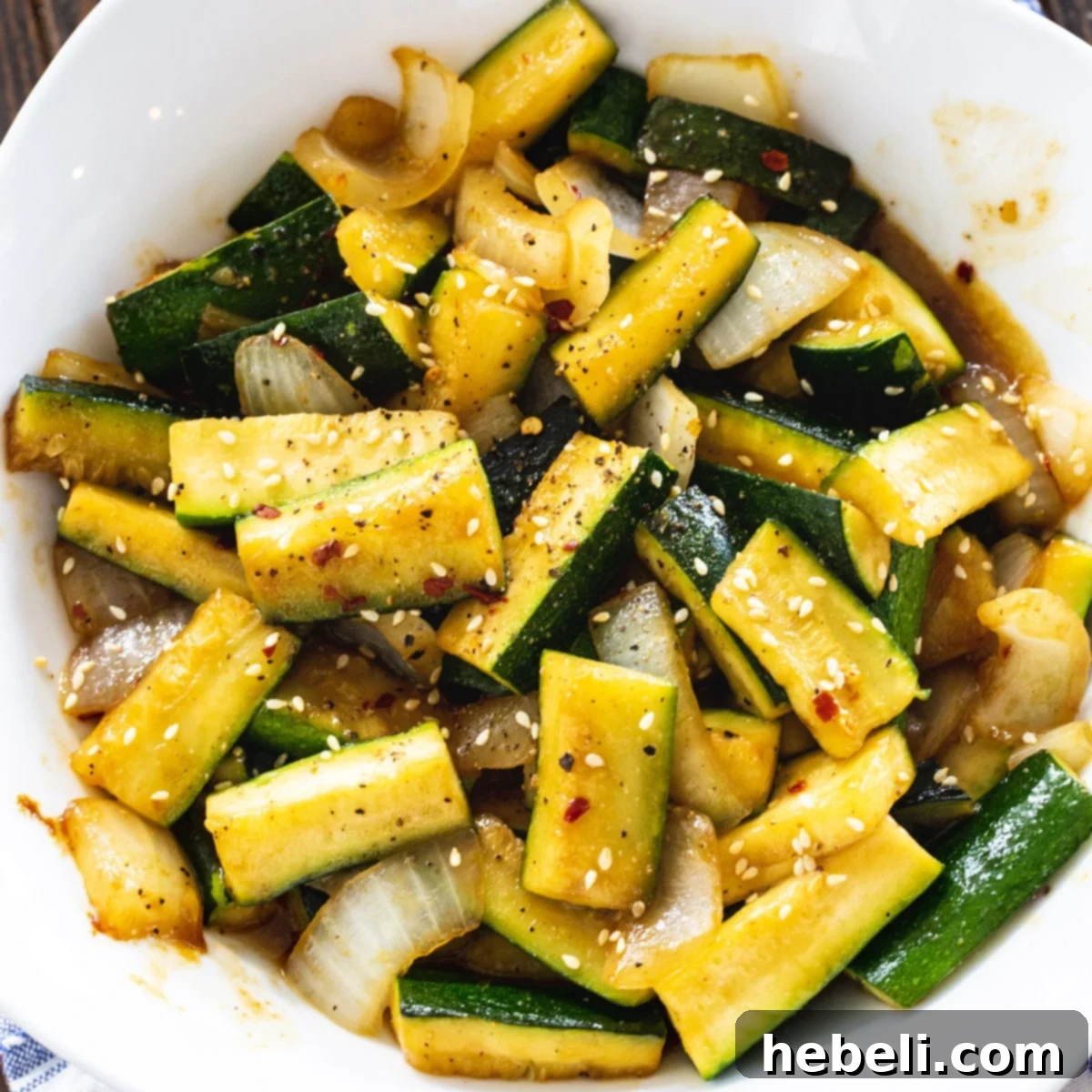
This Japanese Zucchini recipe features fresh zucchini quickly sautéed with sweet onion in a delectable blend of soy sauce and teriyaki sauce, accented with a touch of crushed red pepper flakes for a hint of spice. It creates a perfect, easy side dish for any Asian-inspired meal or grilled meats and vegetables.
Equipment
-
Large Nonstick Skillet
Ingredients
- 3 medium zucchini
- 2 tablespoons vegetable oil
- 1 medium sweet onion, coarsely chopped
- 2 tablespoons teriyaki sauce
- 1 tablespoon soy sauce
- 1/4 to 1/2 teaspoon crushed red pepper flakes (optional, for spice)
- 1/4 teaspoon black pepper
- 1 teaspoon toasted sesame seeds, for garnish
Instructions
-
Begin by preparing your zucchini. Wash the zucchini thoroughly and trim the ends. Cut each medium zucchini into 2-inch long pieces. Then, for each piece, cut it into 6 wedges to create uniform, bite-sized portions that will cook evenly and absorb the flavors beautifully.
-
Heat the vegetable oil in a large nonstick skillet over medium-high heat. It’s crucial to ensure the skillet is adequately hot before adding the vegetables, as this will help achieve a slight char, lock in flavor, and prevent the zucchini from becoming soggy due to excess moisture.
-
Add the prepared zucchini wedges and coarsely chopped onion to the hot skillet. Sauté for exactly 2 minutes, stirring occasionally to ensure even cooking and light browning. The goal here is to start tenderizing the vegetables while maintaining some of their natural crispness.
-
Carefully pour in the teriyaki sauce and soy sauce over the vegetables. Next, add the crushed red pepper flakes (adjusting the amount to your preferred spice level, or omitting for a milder dish) and the black pepper. Continue to cook for another 4 to 5 minutes, stirring frequently, or until the zucchini reaches your desired tenderness. Some prefer a slight crunch, while others enjoy it completely soft and yielding.
-
Once cooked to perfection, transfer the Japanese Zucchini to a clean serving dish. Sprinkle generously with toasted sesame seeds for an added layer of nutty flavor and a beautiful, authentic presentation. Serve immediately and savor every delicious bite!
Notes
For an extra layer of richness and a glossy finish, you can stir in a tablespoon of unsalted butter into the pan during the final minute of cooking. This is a classic hibachi trick that really elevates the dish.
Nutrition Information
Per Serving (approximate):
- Calories: 107 kcal
- Carbohydrates: 9g
- Protein: 3g
- Fat: 7g
- Saturated Fat: 1g
- Polyunsaturated Fat: 4g
- Monounsaturated Fat: 2g
- Trans Fat: 0.04g
- Sodium: 611mg
- Potassium: 458mg
- Fiber: 2g
- Sugar: 6g
- Vitamin A: 332IU
- Vitamin C: 28mg
- Calcium: 34mg
- Iron: 1mg
Nutrition information is automatically calculated and should be used as an approximation only. Individual results may vary based on ingredients and preparation methods.
Expert Tips for Perfect Japanese Zucchini
Achieving perfectly cooked Japanese Zucchini is simple, even for beginner cooks, with a few helpful tips to guide you:
- Uniform Cuts are Essential: The key to evenly cooked vegetables is consistency in size. Ensure your zucchini pieces are cut into similar sizes and shapes. This promotes even cooking, preventing some pieces from becoming overly soft while others are still too firm. The recommended 2-inch long pieces cut into 6 wedges work exceptionally well for a quick sauté, providing a good surface area for browning and sauce absorption.
- Don’t Overcrowd the Pan: When sautéing any vegetable, it’s crucial not to overcrowd your skillet. If you add too much zucchini and onion at once, the temperature of the pan will drop significantly, causing the vegetables to steam instead of sear. This can lead to a watery, limp, and less flavorful result. For best results, use a large skillet or cook the zucchini in two separate batches if necessary, ensuring each piece has enough space to make contact with the hot surface.
- High Heat for Best Texture: Begin with a hot nonstick skillet over medium-high heat. This initial burst of heat is vital for creating a beautiful caramelization and slight browning on the zucchini and onion, which significantly enhances their flavor and texture. A properly heated pan helps to quickly evaporate moisture, ensuring crisp-tender vegetables.
- Monitor Zucchini Texture Closely: The cooking time for zucchini is relatively short, and its ideal texture is often a matter of personal preference. Cook for just a brief period (around 4-5 minutes after adding sauces) if you desire a crisp-tender bite that retains some firmness. For a softer, more yielding texture, extend the cooking time by another minute or two, stirring occasionally until it reaches your desired likeness. Taste testing as you go is the best way to determine perfect doneness.
- Adjust Saltiness to Taste: Both soy sauce and teriyaki sauce contribute significantly to the dish’s saltiness and umami profile. If you are sensitive to sodium or prefer a milder flavor, opt for low-sodium soy sauce. Always taste the dish before adding any additional salt at the end, as the sauces provide ample seasoning.
- Enhance Flavor with Butter: For an added layer of richness and a glossy, luxurious finish that’s reminiscent of authentic hibachi-style cooking, stir in a pat of unsalted butter (about 1 tablespoon) into the pan during the final minute of cooking. This simple step can elevate the dish significantly.
- Fresh Ingredients Always Matter: While this is a simple recipe, the quality of your ingredients makes a noticeable difference in the final outcome. Use fresh, firm zucchini and a sweet onion for the best flavor and texture. Freshly ground black pepper will also offer a more vibrant aroma than pre-ground.
Creative Variations for Your Zucchini Dish
This Japanese Zucchini recipe is incredibly adaptable, allowing you to customize it with additional ingredients and flavor profiles to suit your tastes or to use up ingredients you have on hand. Don’t hesitate to experiment and make it your own!
- Add More Vegetables:
- Mushrooms: Sliced cremini (baby bella) or shiitake mushrooms are a fantastic addition, bringing an earthy, savory umami depth. Add them along with the zucchini and onion for simultaneous cooking.
- Garlic: For an aromatic boost, minced fresh garlic is always a welcome ingredient. Add 1-2 cloves during the last minute of cooking the zucchini and onion, just before you introduce the sauces, to prevent the garlic from burning and turning bitter.
- Broccoli or Asparagus: Small florets of broccoli or chopped asparagus spears can be added to the skillet along with the zucchini. They add lovely color, a different texture, and additional nutrients. Ensure they are cut into small enough pieces to cook quickly.
- Bell Peppers: Sliced bell peppers (red, yellow, or orange) can bring a touch of sweetness and vibrant color. Add them with the onion and zucchini.
- Carrots: Thinly sliced or julienned carrots will add a subtle sweetness and a pleasing crunch. Since carrots are denser, add them a minute or two before the zucchini to ensure they soften adequately.
- Snap Peas or Green Beans: For a fresh, crisp element, add a handful of snap peas or trimmed green beans during the last few minutes of cooking.
- Boost the Protein Content:
- Chicken or Shrimp: For a more substantial, complete meal, cook diced chicken breast or shrimp separately until they are almost done. Then, add them to the skillet with the zucchini and sauces for the final few minutes of cooking, allowing them to absorb the flavors.
- Tofu: Cubed and pan-fried or baked extra-firm tofu can be added for a plant-based protein boost, transforming this side dish into a complete and satisfying vegan meal.
- Flavor Enhancements & Adjustments:
- Fresh Ginger: A teaspoon of freshly grated ginger, added with the garlic (if using), can introduce a wonderful, pungent warmth and zest, deepening the Asian flavor profile.
- Rice Vinegar: A splash (about 1 teaspoon) of rice vinegar at the very end of cooking can brighten the flavors and add a subtle, pleasant tang.
- Mirin: For a touch more authentic Japanese sweetness and depth, consider replacing one tablespoon of the teriyaki sauce with mirin (Japanese sweet cooking wine).
- Sesame Oil: While already suggested as a garnish, a tiny drizzle of toasted sesame oil during the cooking process can infuse the dish with an even deeper nutty aroma and flavor.
- Experiment with Different Zucchini Cuts: Instead of wedges, you can slice the zucchini into rounds, half-moons, or even julienne strips for a different presentation and eating experience. Just remember to adjust cooking times accordingly, as thinner cuts will cook much faster.
Serving Suggestions for Japanese Zucchini
This versatile Japanese Zucchini is a fantastic addition to a variety of meals, whether you’re looking for a simple side dish or want to incorporate it into a more elaborate spread. Its savory and slightly sweet profile makes it a welcome companion to many cuisines. Here are some delicious ways to serve it:
- As a Classic Side Dish: It’s the quintessential accompaniment to your favorite Asian-inspired main courses. Think alongside grilled chicken teriyaki, pan-seared salmon or tuna, baked cod, flavorful pork chops, or even a simple stir-fried beef. Its light yet flavorful profile perfectly balances richer main dishes, providing a fresh vegetable component.
- Over Rice for a Vegetarian Meal: Transform this vibrant side into a satisfying and complete vegetarian meal by serving it generously over a bed of freshly steamed white rice, brown rice, or even quinoa. The rice will absorb the savory sauces, creating a harmonious and comforting dish that’s perfect for a light lunch or dinner. You can also mix it with cauliflower rice for a low-carb option.
- With Noodles: For a quick and flavorful noodle bowl, pair this zucchini dish with ramen, udon, soba noodles, or even rice vermicelli. You can simply serve it on the side, or for a more integrated dish, toss the cooked zucchini directly into your noodle creation towards the end of cooking.
- Alongside Eggs: For a unique and surprisingly delicious breakfast, brunch, or even a quick dinner option, serve Japanese Zucchini alongside scrambled eggs, a perfectly fried egg, or folded into an omelet. The savory notes of the zucchini beautifully complement the richness of eggs.
- Enhance with Additional Sauces:
- Yum Yum Sauce: A creamy, tangy, and slightly sweet drizzle of store-bought or homemade Yum Yum sauce (often found at Japanese steakhouses) adds an irresistible richness that many adore.
- Extra Toasted Sesame Oil: While the recipe includes sesame seeds, a final drizzle of toasted sesame oil right before serving enhances the nutty aroma and deepens the overall Asian flavors, adding a layer of sophistication.
- Sriracha or Chili Garlic Sauce: If you crave extra heat and a bolder flavor, a dash of Sriracha or chili garlic sauce can be drizzled over individual servings, allowing everyone to customize their spice level.
- Garnish for Impact: Beyond toasted sesame seeds, consider garnishing your finished dish with thinly sliced green onions (scallions) or a sprinkle of fresh cilantro for a pop of color, added freshness, and another layer of aromatic appeal.
Loved this recipe? Pin it now to save it for later!
Pin It
Frequently Asked Questions (FAQs) About Japanese Zucchini
Here are some common questions you might have when preparing this delicious Japanese Zucchini, along with helpful answers to ensure your success:
- What kind of zucchini should I use for this recipe? For the best results, medium-sized green zucchini (about 6-8 inches long) works perfectly. They have a good balance of tenderness and flavor, and fewer large, distracting seeds compared to very large zucchini.
- Can I use yellow squash instead of green zucchini? Yes, absolutely! Yellow squash can be used as a direct substitute for green zucchini in this recipe. The flavor and texture will be very similar, and it will add a lovely vibrant color to your dish.
- How do I prevent my zucchini from becoming watery and soggy? The key to avoiding watery zucchini is to use a large, hot skillet and avoid overcrowding it. Cook the zucchini over medium-high heat to allow it to sear and quickly evaporate its natural moisture, rather than steaming. If your skillet isn’t large enough to accommodate all the zucchini in a single layer, cook it in two separate batches.
- Is this Japanese Zucchini recipe spicy? The amount of crushed red pepper flakes can be adjusted entirely to your preference. Use 1/4 teaspoon for a mild hint of warmth, or increase it up to 1/2 teaspoon for a more noticeable kick. If you prefer no spice at all, you can omit the red pepper flakes completely.
- Can I make this dish ahead of time? This Japanese Zucchini dish is best enjoyed fresh, right after cooking, when the zucchini still has its optimal crisp-tender texture and vibrant flavor. While leftovers are still tasty, the zucchini may become softer upon reheating. If you must make it ahead, cook it slightly less to allow for further softening during reheating.
- How should I store leftovers, and how long do they last? Store any leftover Japanese Zucchini in an airtight container in the refrigerator for up to 3-4 days. When reheating, gently warm it on the stovetop over low heat or in the microwave until just heated through to maintain as much of its texture as possible.
- Is this recipe vegetarian or vegan-friendly? This recipe is naturally vegetarian. To make it vegan, you only need to ensure that your chosen teriyaki sauce is vegan-friendly (as some brands may contain honey or other non-vegan ingredients). It’s also delicious with pan-fried tofu added for extra plant-based protein, making it a complete vegan meal.
Explore More Delicious Zucchini Recipes:
- Jalapeno Popper Zucchini Boats
- Fried Zucchini Chips
- Grilled Zucchini-Corn Salad
- Zucchini Lasagna Boats
- Carrot Zucchini Muffins
- Zucchini Hashbrown Patties
- Taco Zucchini Boats
Did you try this irresistible Japanese Zucchini recipe?
We’d absolutely love to hear about your experience! Please leave a comment below to share your thoughts, and don’t forget to tag us @spicysouthernkitchen on social media when you share your delicious creation with your friends and followers!