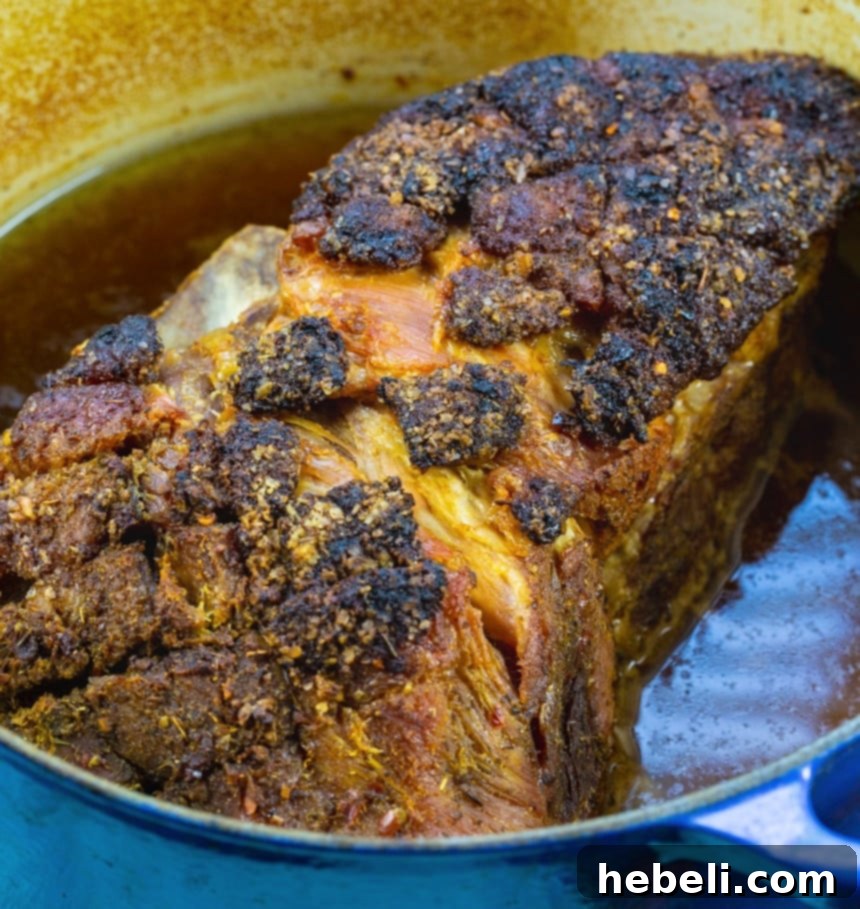
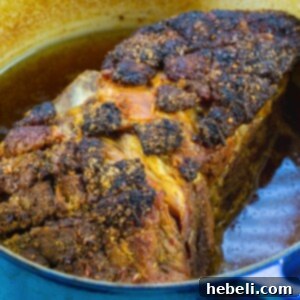
Experience the authentic flavors of Cuba with this incredible Cuban Roast Pork (Lechón Asado) recipe. This dish is a culinary cornerstone, renowned for its deeply infused flavors of garlic, vibrant citrus (orange and lime), aromatic cumin, and earthy oregano. Slow-roasted to perfection, the pork emerges incredibly juicy and tender, practically falling apart with a delicate crispness on the exterior. The magic is completed with a zesty, homemade Mojo sauce, which adds a burst of tangy-sweetness, elevating every bite. Whether you’re planning a festive meal or simply craving the irresistible taste of a classic Cuban Sandwich, this recipe delivers an unforgettable dining experience that will transport your taste buds straight to the heart of Havana.
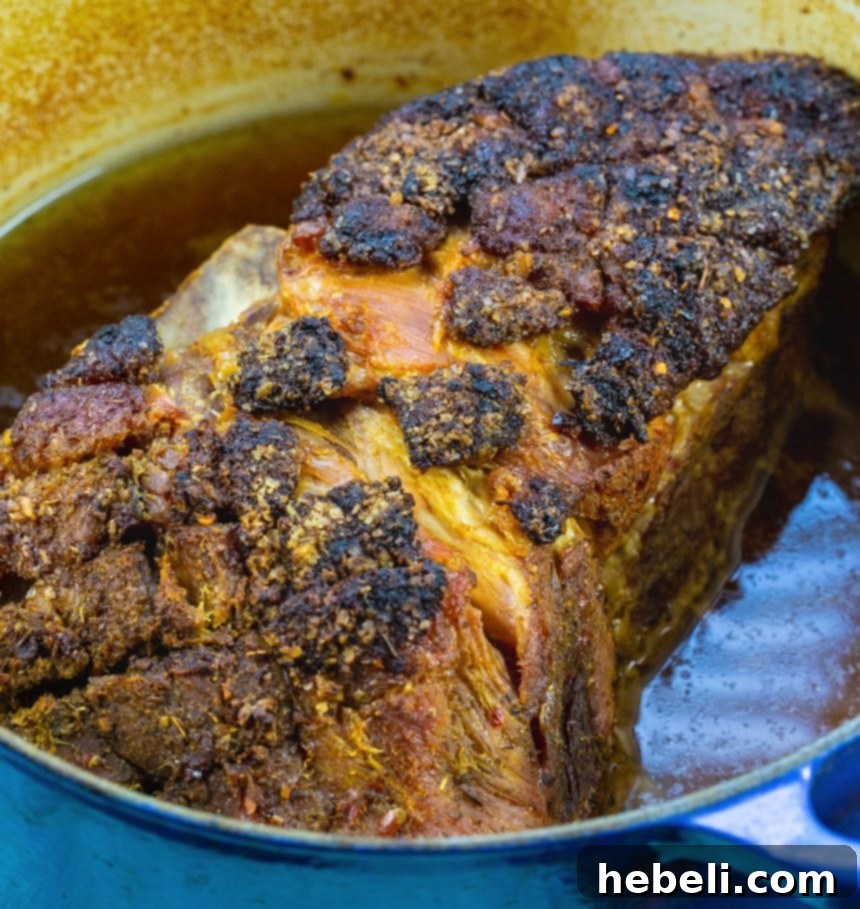
Mastering the Marinade: Infusing Your Pork Roast with Cuban Flavors
The secret to truly exceptional Cuban Roast Pork lies in its marinade. This isn’t just a simple rub; it’s a flavor-building ritual that transforms an ordinary cut of pork into a succulent, aromatic masterpiece. To achieve this profound depth of flavor, we begin by generously coating a high-quality pork butt roast with a meticulously crafted blend of seasonings.
Our marinade features a harmonious mix of essential Cuban spices and fresh ingredients:
- Kosher Salt: More than just a seasoning, salt plays a crucial role in tenderizing the meat and enhancing its natural flavors. It helps to break down muscle fibers, allowing for deeper penetration of the other spices.
- Brown Sugar: This adds a subtle sweetness that balances the acidity of the citrus and the earthiness of the spices. It also aids in creating that desirable caramelized crust during roasting.
- Fresh Lime Zest and Orange Zest: The zests are packed with aromatic oils, providing a bright, tangy, and intensely fragrant citrus punch that is characteristic of Cuban cuisine. This fresh zest is far superior to bottled juices for marinades as it delivers a more concentrated flavor.
- Fresh Garlic: A cornerstone of Cuban cooking, minced garlic provides a pungent, savory base note that permeates the entire roast. We recommend using fresh garlic for the best results, as its vibrant flavor is unmatched.
- Ground Cumin: This warm, earthy spice is indispensable in Cuban dishes, lending a distinctive, savory aroma that defines the profile of the roast.
- Dried Oregano: Offering a robust, slightly bitter, and peppery herbal note, oregano contributes significantly to the traditional Cuban taste.
- Crushed Red Pepper Flakes: For a subtle, gentle warmth that rounds out the flavor profile without making the dish overtly spicy, a touch of red pepper flakes is added. This optional ingredient can be adjusted to your preference.
Before applying the rub, it’s beneficial to trim the excess fat on the pork butt to about 1/4-inch thick. Then, score the remaining fat cap in a crosshatch pattern, about 1-inch deep. This allows the marinade to penetrate deeper into the meat and helps render the fat for a crispier exterior. Once prepared, the pork is thoroughly coated, ensuring every crevice is reached, then wrapped tightly and refrigerated. Allowing the pork to marinate for 12 to 24 hours is crucial. This extended period allows the salt to work its magic, drawing moisture out and then back into the meat, carrying all the beautiful flavors deep within the roast, resulting in an exceptionally tender and flavorful outcome.
The Art of Slow Roasting: Achieving Perfectly Tender Cuban Pork
Slow roasting is the cornerstone of achieving the signature fall-apart tenderness and rich flavor of Cuban Roast Pork. This method ensures that the pork butt, a tougher cut of meat, breaks down beautifully over time, becoming incredibly succulent and easy to shred or slice.
Once your pork butt has absorbed all the aromatic flavors from its extended marinade, it’s time to begin the slow roasting process. Preheat your oven to a moderate 325°F (160°C). A heavy-bottomed Dutch oven is the ideal vessel for this dish, as it provides even heat distribution and allows for both covered and uncovered cooking, creating the perfect environment for a moist interior and a beautifully browned exterior.
Carefully unwrap the marinated pork and place it fat-side up in the Dutch oven. Pour approximately 2 cups of water around the base of the pork, taking care not to wash off the precious spice rub. This liquid creates a moist environment, preventing the pork from drying out during the initial slow cooking phase and contributing to a tender result.
The roasting process is divided into two key stages:
- Covered Roasting: Place the lid on your Dutch oven and cook in the preheated oven for an initial 2 1/2 to 3 hours. During this time, the pork will slowly cook in its own juices and the added water, becoming incredibly tender without losing moisture. The covered environment acts like a mini-steamer, ensuring the meat remains moist and succulent.
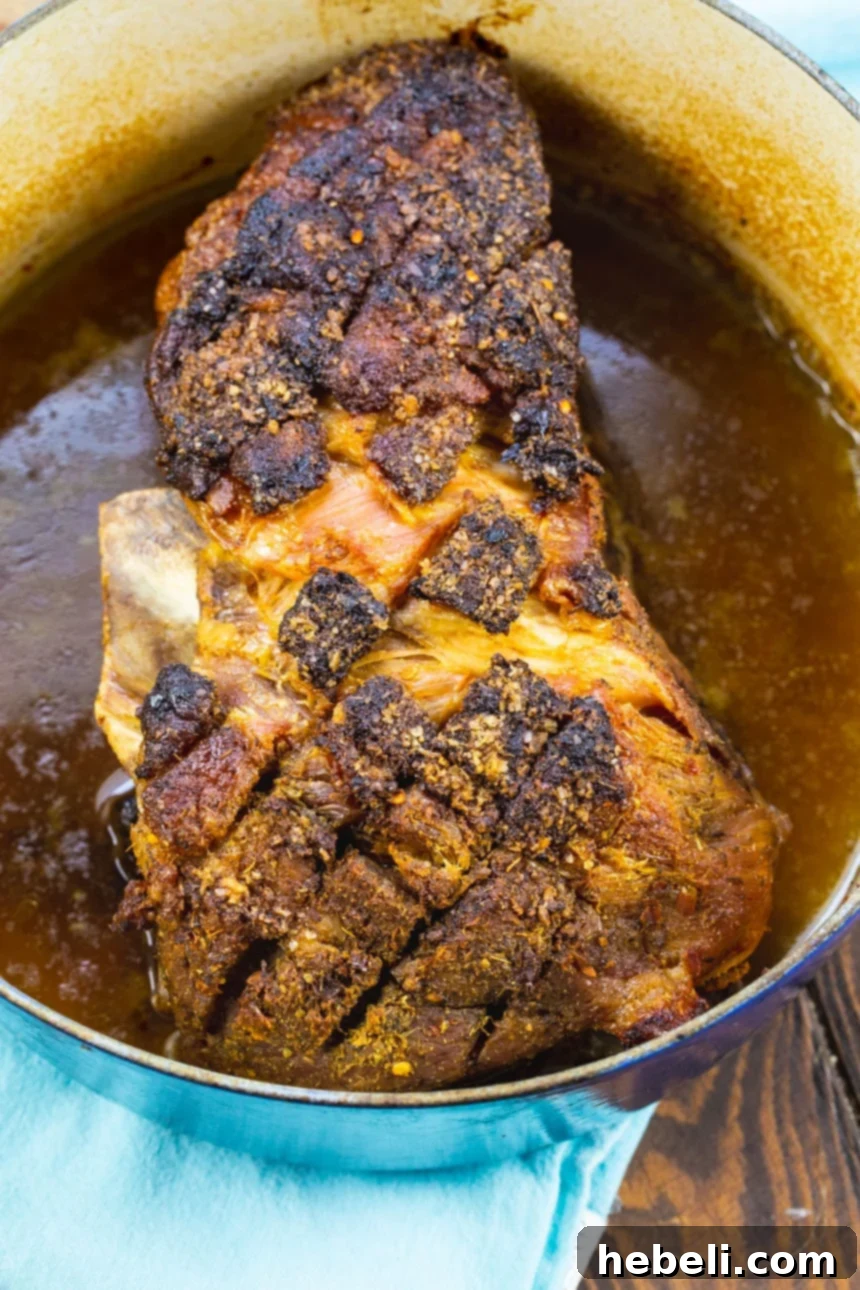
- Uncovered Roasting for a Perfect Crust: After the initial covered period, remove the lid and continue roasting the pork uncovered for an additional 45 minutes to 1 3/4 hours. This crucial stage allows the exterior of the pork to brown and crisp up, developing a delicious, savory crust that adds textural contrast to the tender interior.
The goal is to cook the pork until it reaches an internal temperature of 195°F (90°C). While a lower temperature of 145°F (63°C) is safe for slicing pork, reaching 195°F (90°C) is essential for achieving the melt-in-your-mouth, shreddable texture that is characteristic of traditional Cuban Roast Pork, especially when destined for Cuban Sandwiches. An instant-read meat thermometer is your best friend here, ensuring accuracy and preventing over- or under-cooking. Insert the thermometer into the thickest part of the roast, avoiding the bone if present.
Once the pork reaches the desired internal temperature, remove the Dutch oven from the oven. Carefully transfer the roast to a carving board. Tent it loosely with aluminum foil and allow it to rest for a full 45 minutes. This resting period is critical; it allows the muscle fibers to relax and reabsorb the juices, ensuring that your pork remains incredibly moist and flavorful when sliced or shredded. Skipping this step can result in dry, less enjoyable meat.
Crafting the Quintessential Mojo Sauce for Cuban Roast Pork
No Cuban Roast Pork is truly complete without a generous drenching of vibrant Mojo sauce. This iconic Cuban condiment is a bright, garlicky, and tangy emulsion that perfectly complements the rich, savory flavors of the slow-roasted pork. Mojo isn’t just a sauce; it’s a flavor explosion that brings freshness and an irresistible zest to every bite.
Our Mojo sauce recipe is wonderfully balanced, featuring a blend of fresh and aromatic ingredients:
- Extra-Virgin Olive Oil: Forms the luxurious base of the sauce, carrying the flavors beautifully.
- Abundant Garlic: More garlic is always a good idea for Mojo! Minced garlic is gently cooked to release its sweet, aromatic essence without becoming bitter.
- Citrus Juices (Orange and Lime): A powerful combination of fresh orange and lime juices provides the signature bright, tangy, and acidic notes that cut through the richness of the pork, adding incredible freshness.
- Pineapple Juice: A surprising but brilliant addition, pineapple juice introduces a subtle sweetness and additional tropical tang, enhancing the overall complexity of the sauce.
- Yellow Mustard: A touch of mustard adds a piquant depth and helps to emulsify the sauce, giving it a smooth consistency.
- Cumin and Oregano: Echoing the spices in the pork marinade, these provide a cohesive flavor profile, tying the sauce and the roast together perfectly.
- Salt and Pepper: Essential for seasoning the sauce to perfection, bringing out the best in all the other ingredients.
- Red Pepper Flakes: Just a pinch for a subtle kick, adding another layer of warmth.
To prepare the Mojo sauce, gently heat the olive oil in a small saucepan over low heat. Add the minced garlic and cook for just 2 to 3 minutes, stirring constantly, until it becomes fragrant but not browned. It’s crucial not to burn the garlic, as this will result in a bitter taste. Remove the saucepan from the heat and allow the garlic-infused oil to cool slightly for about 5 minutes.
Once cooled, whisk in the pineapple juice, orange juice, lime juice, yellow mustard, cumin, salt, pepper, oregano, and red pepper flakes until all ingredients are well combined and the sauce is emulsified. The result is a vibrant, aromatic, and incredibly flavorful sauce that is then generously poured over the freshly carved or shredded pork. This not only adds an explosion of flavor but also keeps the pork exceptionally juicy and moist, making it utterly irresistible.
Serving Suggestions: Enjoying Your Cuban Roast Pork
Cuban Roast Pork is a versatile and deeply satisfying dish that can be enjoyed in various ways, catering to both traditional preferences and creative culinary explorations.
Traditional Cuban Presentation
For a classic Cuban dining experience, serve your succulent roast pork alongside its most traditional accompaniments: fluffy white rice and savory black beans. These staples create a balanced and comforting meal. Consider adding fried sweet plantains (maduros) or crispy green plantains (tostones) for an extra layer of authentic flavor and texture. A simple side salad or some steamed yuca (cassava) dressed with more Mojo sauce would also be excellent additions.
The Iconic Cuban Sandwich
Perhaps one of the most beloved ways to enjoy Cuban Roast Pork is as the star of an authentic Cuban Sandwich (Cubano). This is where your leftovers truly shine! To build the ultimate Cuban sandwich:
- Layer sliced or shredded Cuban roast pork generously onto crusty Cuban bread.
- Add thin slices of smoked ham.
- Include Swiss cheese and dill pickle slices.
- Spread a thin layer of yellow mustard on one side of the bread.
- Press the sandwich in a griddle or panini press until the bread is toasted, the cheese is melted, and the fillings are warm.
The combination of rich pork, salty ham, tangy pickles, creamy cheese, and sharp mustard, all pressed into a crispy bread, is pure culinary bliss.
Slicing vs. Shredding
Depending on your desired serving style, you can either slice the pork into thick, juicy cuts or shred it into tender strands. Slicing is perfect for a more formal plated meal, showcasing the beautiful roast. Shredding, on the other hand, is ideal for sandwiches, tacos, or mixing into other dishes, allowing the meat to absorb more sauce and be easily incorporated. For shredding, you can use two forks or even your hands (once cooled slightly).
Other Creative Uses
Beyond the traditional, leftover Cuban Roast Pork can be a fantastic ingredient for:
- Tacos or Burritos: The flavorful pork is excellent in soft tortillas with your favorite toppings.
- Cuban Nachos: Layer shredded pork over tortilla chips with cheese, black beans, and salsa.
- Stuffed Arepas or Empanadas: A savory filling for these Latin American delights.
- Hash: Dice the pork and fry with potatoes and onions for a hearty breakfast or brunch.
Storage and Reheating Tips for Your Cuban Roast Pork
Proper storage is key to enjoying your delicious Cuban Roast Pork leftovers for days to come. Once the pork has cooled completely to room temperature, transfer any remaining roast and Mojo sauce to an airtight container. Store it in the refrigerator for 4 to 5 days. For best results, keep the pork immersed in some of the Mojo sauce or pan juices to maintain moisture and flavor.
If you’ve made a large batch and wish to keep it longer, Cuban Roast Pork freezes exceptionally well. Portion the cooled pork and sauce into freezer-safe bags or containers, removing as much air as possible to prevent freezer burn. It can be stored in the freezer for up to 3 months. Thaw frozen pork overnight in the refrigerator before reheating.
To reheat, gently warm the pork in a covered pan on the stovetop over low heat with a splash of chicken broth or extra Mojo sauce to prevent it from drying out. Alternatively, reheat it in the oven at 300°F (150°C), covered, until warmed through. Avoid microwaving large quantities, as it can make the meat tough, but it works for smaller portions.
Essential Recipe Tips for a Flawless Roast
Achieving a perfect Cuban Roast Pork is simple with a few key considerations. Remember that the exact cooking time will vary based on the size and thickness of your pork roast, as well as the unique calibration of your oven. For this reason, an instant-read meat thermometer is truly your most valuable tool. It removes all guesswork, allowing you to easily determine when your roast has reached the ideal internal temperature of 195°F (90°C) for that shreddable, tender texture. Always insert the thermometer into the thickest part of the meat, avoiding any bones.
Another crucial tip is to give your pork ample time to marinate – at least 12 hours, but preferably 24 hours. This long marination period is essential for the flavors to deeply penetrate the meat and for the salt to tenderize the pork butt effectively. Don’t rush this step! Lastly, never skip the resting period after roasting. This allows the juices to redistribute throughout the meat, resulting in a significantly more tender and moist final product. Patience is a virtue when it comes to this incredible Cuban dish.
If you’ve enjoyed this recipe, you might also love these other must-try Cuban-style dishes: this flavorful Pork Carnitas recipe, perfect for tacos, or this hearty Picadillo Recipe, a classic ground beef dish. And to truly complete your Cuban feast, don’t forget a refreshing strawberry mojito!
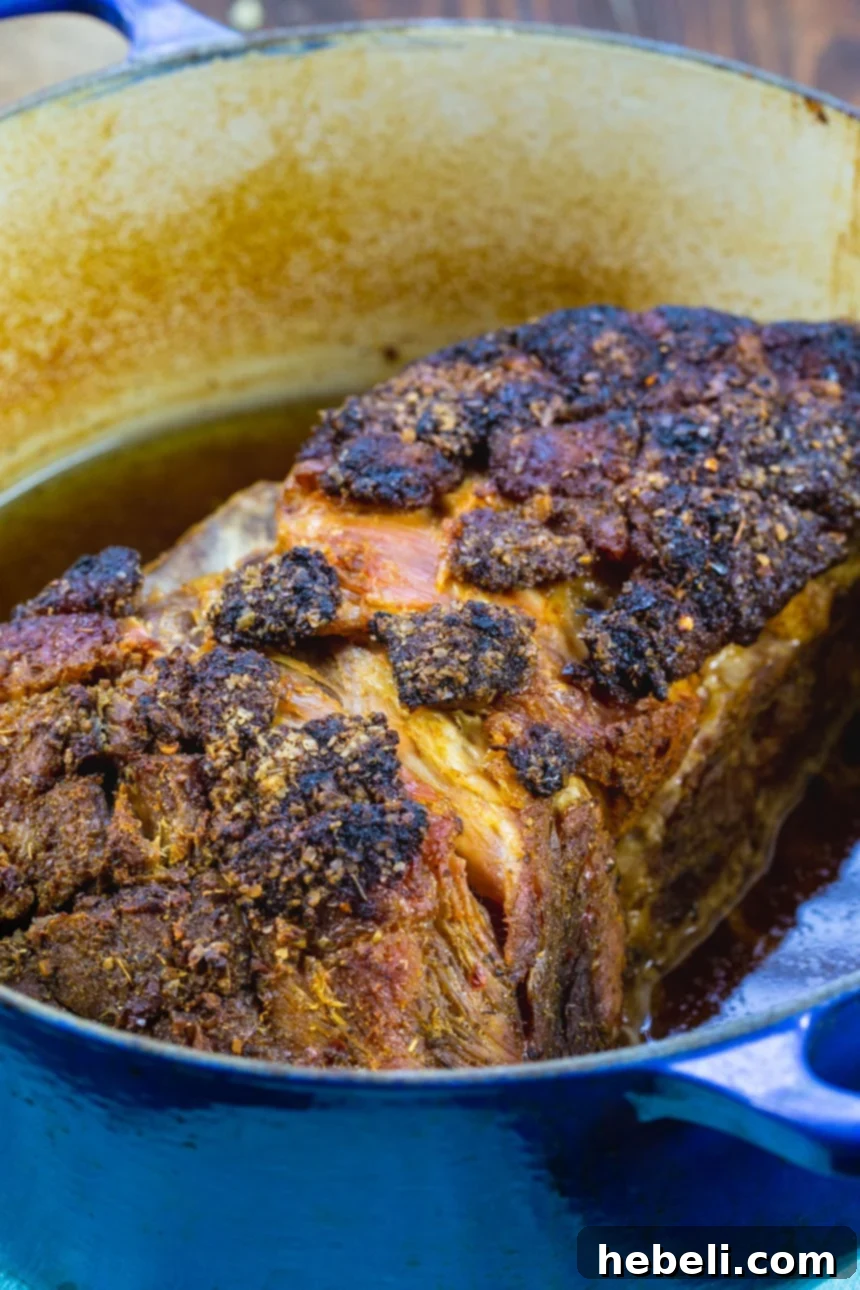
Pin this now to find it later!
Pin It
Explore More Delicious Pork Roast Recipes
- Peach Glazed Pork Roast: A delightful sweet and savory combination perfect for a special occasion.
- Bacon Wrapped Maple Glazed Pork Roast: Indulgent and flavorful, with crispy bacon and a sticky-sweet glaze.
- Bacon Wrapped Pork Tenderloin: A quick and elegant option, tender and juicy inside, crispy outside.
- Slow Cooker Garlic Butter Pork Roast: Effortless and incredibly tender, letting your slow cooker do all the work.
- Roasted Pork Loin with Mushroom Gravy: A comforting classic, perfect with a rich, earthy mushroom gravy.
Authentic Cuban Roast Pork
20 minutes
3 hours 45 minutes
16 hours 5 minutes
8
Ingredients
For the Pork Roast
- 1/3 cup kosher salt
- 1/3 cup packed light brown sugar
- 1 tablespoon lime zest
- 1 tablespoon grated orange zest
- 3 garlic cloves, minced
- 2 teaspoons ground cumin
- 2 teaspoons dried oregano
- 1/2 teaspoon crushed red pepper flakes
- 1 (5-pound) boneless pork butt roast
For the Zesty Mojo Sauce
- 1/3 cup extra-virgin olive oil
- 6 garlic cloves, minced
- 1/3 cup orange juice (freshly squeezed for best flavor)
- 1/3 cup pineapple juice
- 1/3 cup lime juice (freshly squeezed for best flavor)
- 1 tablespoon yellow mustard
- 1 1/4 teaspoons ground cumin
- 1/2 teaspoon kosher salt (or to taste)
- 3/4 teaspoon black pepper (freshly ground for best aroma)
- 3/4 teaspoon dried oregano
- 1/4 teaspoon red pepper flakes (adjust to your heat preference)
Instructions
-
In a small bowl, thoroughly combine the kosher salt, brown sugar, lime zest, orange zest, minced garlic, ground cumin, dried oregano, and crushed red pepper flakes to create the aromatic rub for the pork.
-
Prepare the pork butt: trim the fat cap on top of the pork butt to an even 1/4-inch thickness. Then, using a sharp knife, carefully cut a 1-inch deep crosshatch pattern into the trimmed fat. This allows flavors to penetrate and the fat to render beautifully.
-
Place the prepared pork butt on a double layer of sturdy plastic wrap. Generously sprinkle and rub the salt mixture all over the entire surface of the pork, ensuring it adheres well.
Wrap the pork tightly in the plastic wrap, making sure it’s sealed. Refrigerate for a minimum of 12 hours, ideally 24 hours, to allow the flavors to fully infuse the meat.
-
Preheat your oven to 325°F (160°C). Unwrap the marinated pork and place it fat side up into a large, heavy Dutch oven. Pour 2 cups of water around the pork, being careful not to wash off the precious spice rub.
-
Place the lid securely on the Dutch oven and transfer it to the preheated oven. Cook for 2 1/2 to 3 hours, allowing the pork to slowly tenderize in a moist environment.
-
After the initial covered cooking, remove the lid from the Dutch oven. Continue to cook the pork uncovered for an additional 45 minutes to 1 3/4 hours, or until the pork reaches an internal temperature of 195°F (90°C) for a perfectly tender, shreddable result. Use an instant-read thermometer inserted into the thickest part of the meat.
-
Once cooked, carefully transfer the roast to a carving board. Tent it loosely with aluminum foil and let it rest for a full 45 minutes. This crucial step allows the juices to redistribute throughout the meat, ensuring maximum tenderness and moisture.
-
While the pork is resting, prepare the Mojo sauce. In a small saucepan, heat the olive oil over low heat. Add the minced garlic and cook gently for 2 to 3 minutes, stirring frequently, until fragrant. Do not allow the garlic to brown. Remove from heat and let it cool for 5 minutes.
-
To the cooled garlic oil, whisk in the pineapple juice, orange juice, lime juice, yellow mustard, ground cumin, kosher salt, black pepper, dried oregano, and red pepper flakes until the sauce is well combined and slightly emulsified.
-
Slice or shred the rested pork according to your preference. Serve generously with the freshly made Mojo sauce poured over, or prepare it for delicious Cuban Sandwiches.
Nutrition Information (Approximate per serving)
Carbohydrates: 14g |
Protein: 54g |
Fat: 26g |
Saturated Fat: 7g |
Polyunsaturated Fat: 3g |
Monounsaturated Fat: 14g |
Trans Fat: 0.1g |
Cholesterol: 170mg |
Sodium: 5074mg |
Potassium: 1062mg |
Fiber: 0.5g |
Sugar: 11g |
Vitamin A: 98IU |
Vitamin C: 11mg |
Calcium: 73mg |
Iron: 4mg
Nutrition information is automatically calculated, so should only be used as an approximation. It may vary based on specific ingredients and preparation methods.
Did you make this recipe?
We’d love to see your creation! Leave a comment below and tag us @spicysouthernkitchen on social media!
Recipe adapted from Cook’s Country.
This Cuban Roast Pork (Lechón Asado) recipe is more than just a meal; it’s a celebration of rich cultural heritage and incredible flavor. By following these steps, you’ll be able to create a memorable dish that is both a hearty centerpiece and a fantastic foundation for future culinary adventures like the iconic Cuban sandwich. Enjoy the process of bringing this beloved Cuban classic to your own kitchen!