Mastering Homemade Spaetzle: Your Ultimate Guide to Authentic German Comfort Food
Embark on a culinary journey to the heart of Germany with homemade spaetzle, a delightful dish that perfectly bridges the gap between tender egg noodles and hearty Southern dumplings. This incredible, budget-friendly comfort food isn’t just a traditional accompaniment to a German-inspired meal; its versatility makes it a fantastic addition to virtually any plate. Preparing fresh spaetzle from scratch might seem like a daunting task, but with the right recipe and a few simple tips, you’ll find it surprisingly easy and immensely rewarding.
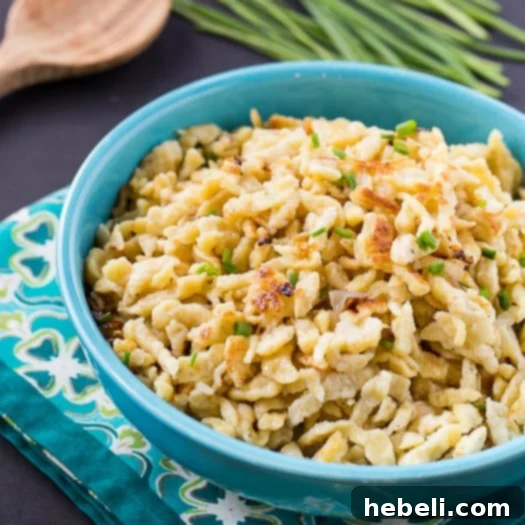
Imagine small, golden, pan-fried dumplings, subtly flavored with nutmeg, ready to soak up the rich sauces of your favorite main course. This humble dish, often overlooked, offers a unique textural experience and a comforting warmth that truly elevates a meal. Best of all, the ingredients required are pantry staples, making it an accessible and inexpensive option for a weeknight dinner or a special occasion. Get ready to transform basic flour and eggs into a side dish that will impress and satisfy everyone at your table.
The Enduring Appeal of Spaetzle: A Culinary Delight
Spaetzle, pronounced “shpayt-zuhl,” is a staple in German, Austrian, and Hungarian cuisines, celebrated for its distinctive irregular shape and appealing chewiness. Unlike uniform pasta, spaetzle embraces a rustic aesthetic, reflecting its homemade origins. Made from a simple, pourable batter, these small dumplings are traditionally boiled and then often pan-fried, giving them a lovely golden crust and a tender interior. This dual cooking method contributes significantly to their unique texture, setting them apart from other noodle or dumpling varieties.
Beyond its culinary versatility, spaetzle is a dish steeped in tradition, often associated with festive gatherings and family meals across Central Europe. Each region might boast its own subtle variations in preparation or serving, reflecting local preferences and available ingredients. Yet, the core essence remains the same: a simple, hearty, and satisfying dumpling that speaks to the soul. Its mild, buttery flavor profile allows it to effortlessly complement a wide range of main courses, from robust meat dishes to lighter vegetable preparations, making it a truly indispensable component of a well-rounded meal.
Unlocking the Secret to Perfect Spaetzle: A Recipe You Can Trust
When venturing into unfamiliar culinary territory, a reliable recipe is your best ally. For this exploration into the world of homemade spaetzle, we draw inspiration from Cook’s Country, a renowned source known for its meticulously tested and foolproof recipes. My initial attempt at making spaetzle, guided by their expert instructions, yielded exceptionally satisfying results. The process was not only straightforward but also quite enjoyable, solidifying spaetzle’s place as a regular dish in my kitchen. The convenience of always having the necessary ingredients on hand means that a craving for these tender dumplings can be indulged at a moment’s notice.
The Simple Ingredients and Their Transformation
The foundation of outstanding spaetzle lies in a surprisingly minimalist list of ingredients: all-purpose flour, fresh large eggs, whole milk, a dash of salt and pepper, and a crucial hint of ground nutmeg. The nutmeg is more than just an optional addition; it imparts an authentic, subtly warm, and earthy aroma that transforms the spaetzle from plain noodles into something truly special and deeply flavorful. The batter itself is effortlessly prepared, requiring only a bowl and a whisk. The key is achieving a consistency that is thick enough to hold its shape when passed through a press, yet still fluid enough to create tender, distinct dumplings.
After combining the ingredients, allowing the batter to rest for 15 to 30 minutes is a small but essential step that often gets overlooked. This resting period gives the flour ample time to fully hydrate, resulting in a significantly more tender and palatable spaetzle. It’s a testament to how often the simplest culinary techniques can yield the most profound improvements in the final dish. This hands-off waiting time also provides an excellent opportunity to prepare your cooking station, ensuring a smooth and efficient process once you begin shaping and boiling your spaetzle.
Tools of the Trade: Spaetzle Makers and Ingenious Alternatives
Traditionally, spaetzle is formed using a specialized press, a spaetzle board with a scraper, or a colander designed for the task. These tools allow the batter to be shaped directly into boiling water, ensuring a consistent size and an efficient cooking process. However, the absence of a dedicated spaetzle maker should never deter you from trying this wonderful dish. The kitchen is a place for creativity, and there are several clever DIY solutions available.
Cook’s Country, known for its practical tips, suggests an ingenious workaround: utilizing a disposable aluminum pan, similar to those used for baking lasagna. By carefully punching approximately 1/4-inch holes into the bottom of the pan with a paring knife, you can create an effective, makeshift spaetzle press. While this method works surprisingly well, it’s worth noting that punching the holes can be a bit time-consuming, and achieving perfectly uniform hole sizes might require some patience. In my own experience, the holes sometimes ended up slightly smaller than ideal, and the sharp, pointy edges created during the process can make cleaning and reusing the pan a bit hazardous. If you opt for this method, exercise caution and prioritize safety.
Another viable alternative is a standard kitchen colander, provided its holes are sufficiently large to allow the batter to pass through easily. If you find yourself frequently drawn to the idea of preparing homemade spaetzle, investing in a proper Spaetzle Maker is a highly recommended step. These specialized tools are remarkably inexpensive, often available for under $10, and significantly streamline the preparation process, making your spaetzle-making endeavors even more enjoyable and considerably less cumbersome. A dedicated tool will ensure consistent results and make the process a breeze.
The Cooking Process: From Batter to Golden Perfection
With your spaetzle batter rested and your chosen shaping tool ready, the cooking process itself is quick and deeply satisfying. Begin by bringing a large pot of salted water to a rolling boil. As the small dumplings emerge from your press or pan into the boiling water, they will momentarily sink before rapidly floating to the surface, a clear signal that they are cooked through. This initial boiling stage typically takes only about one minute. A crucial tip for perfectly cooked spaetzle is to avoid overcrowding the pot; cooking in batches ensures the water temperature remains high, leading to evenly cooked, light dumplings. Once they float, they are ready to be scooped out; cooking them longer can result in a mushy texture. While some recipes suggest an immediate ice bath to halt the cooking, this particular Cook’s Country recipe simplifies the process by proceeding directly to the pan-frying stage.
The true magic of spaetzle unfolds in the skillet. After boiling, the dumplings are transferred to a large nonstick pan, where they are pan-fried in a combination of vegetable oil and often butter. During this stage, they develop their irresistible golden-brown exterior and a slightly crisp texture that provides a delightful contrast to their soft, chewy interior. This recipe ingeniously incorporates a minced shallot or finely diced sweet onion during the frying, infusing the spaetzle with an aromatic depth and a hint of caramelized sweetness. The final touch involves stirring in additional butter off the heat, ensuring a rich, luscious coating without the risk of burning. This step guarantees your spaetzle is not just cooked, but thoroughly finished—flavorful, beautifully golden, and utterly irresistible.
Serving Suggestions: A Culinary Canvas for Spaetzle
The inherent beauty of homemade spaetzle lies in its incredible versatility. While it shines as a quintessential German side dish, its mild, buttery flavor allows it to pair wonderfully with a vast array of cuisines and dishes. For an authentically German culinary experience, envision a platter featuring perfectly crispy schnitzel or succulent bratwurst, generously accompanied by these golden, buttery spaetzle dumplings and a vibrant side of sweet and sour cabbage. This combination creates a harmonious balance of textures and robust flavors, truly transporting you to a traditional Bavarian beer garden.
Beyond its traditional pairings, spaetzle can elevate countless other dishes. Utilize it as a hearty and absorptive base for rich gravies and slow-cooked stews, allowing its porous texture to soak up every drop of savory goodness. For a delightful vegetarian option, toss the pan-fried spaetzle with roasted seasonal vegetables and a light vinaigrette, creating a satisfying main course. It can even be reimagined in modern comfort food applications, such as a gourmet take on mac-and-cheese, incorporating artisan cheeses and fresh herbs. Feel free to experiment with garnishes like freshly chopped chives or parsley, or a sprinkle of grated Parmesan cheese for an Italian-inspired twist. Its humble beginnings belie its potential to be a star on any plate, making it an excellent and impressive choice for both casual family dinners and sophisticated entertaining alike.
Homemade spaetzle is more than just a recipe; it’s an invitation to explore the delicious world of German comfort food with ease and confidence. Its simple ingredients, straightforward preparation, and incredible versatility make it a dish you’ll want to master and enjoy time and time again. So, gather your ingredients, choose your spaetzle-making method, and get ready to create a truly memorable meal that will delight your senses and impress your loved ones.
Homemade Spaetzle
By Christin Mahrlig
40 mins
7 mins
47 mins
6
Ingredients
- 2 cups all-purpose flour
- 3/4 teaspoon salt
- 1/2 teaspoon pepper
- 1/4 teaspoon ground nutmeg
- 3/4 cup whole milk
- 3 large eggs
- 2 tablespoons vegetable oil
- 1 shallot, or about 1/3 cup finely diced sweet onion, minced
- 2 tablespoons butter
- chives, optional
- A spaetzle lid, or a disposable aluminum pan, the kind you would cook lasagna in
Instructions
-
In a large bowl, combine flour, salt, pepper, and nutmeg.
-
Whisk eggs and milk together in a medium bowl. Gradually whisk milk mixture into flour, whisking until smooth. Let sit for 15 to 30 minutes.
-
Poke about 40 1/4-inch holes in the aluminum pan using a paring knife.
-
Bring 4 quarts of water to boil in a Dutch oven and add 1 tablespoon salt. Set the aluminum pan on top of the Dutch oven. (You may want to turn the heat down a touch and work quickly as the aluminum will get hot quickly.)
-
Pour about half the batter into the aluminum pan. (Note: you might want to do a test with a small amount of batter to make sure your holes are big enough.)
-
Use a rubber spatula to press the batter back and forth across the holes. Set pan aside.
-
Boil until spaetzle float, about 1 minute. Remove them with a slotted spoon and place on a paper towel-lined plate. Repeat with remaining batter.
-
Heat the oil in a large nonstick skillet. Add shallot and cook for 1 minute. Add spaetzle and cook for 5 to 7 minutes, stirring occasionally.
-
Remove from heat and stir in butter. Check for seasoning and add more salt and pepper if desired.
Nutrition
Calories:
251kcal
Nutrition information is automatically calculated, so should only be used as an approximation.
Did you make this?
Leave a comment below and tag us @spicysouthernkitchen on social media!
Recipe Source: adapted slightly from Cook’s Country
Disclosure: This post contains affiliate links.