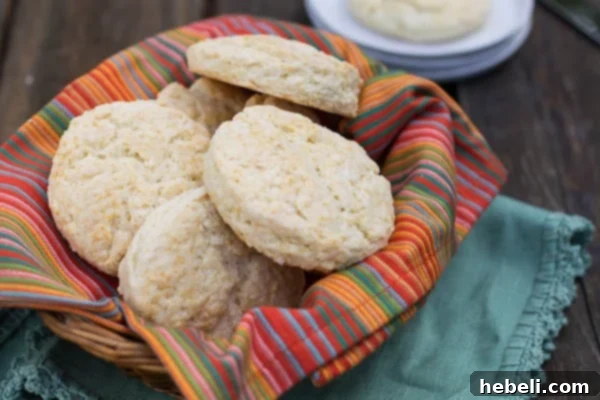
Mastering the Art of Fluffy Southern Biscuits: A Flying Biscuit Cafe Copycat Recipe
As a passionate Southern cook, there’s one culinary skill that has consistently eluded me: baking the perfect biscuit. It’s a confession that might surprise many, given the staple status of biscuits in Southern cuisine. While I can ‘sort of’ make them, the results rarely meet my lofty expectations. Far too often, my attempts yield dense, flat, and heavy hockey pucks rather than the light, airy clouds of dough I dream of. Perhaps it’s because the art of biscuit making wasn’t passed down through my family; I’ve had to navigate this buttery journey on my own.
My quest for the ultimate biscuit often leads me back to the legendary Flying Biscuit Cafe. This beloved small chain, which originated in Atlanta, Georgia, has earned its stellar reputation primarily through its extraordinary biscuits. These aren’t just any biscuits; they are exceptionally rich, crafted with a generous blend of butter, heavy cream, and half-and-half, then finished with a delicate sprinkle of sugar on top. They embody everything a perfect Southern biscuit should be: tender, flavorful, and wonderfully comforting.
The Flying Biscuit Cafe: A Southern Culinary Landmark
The Flying Biscuit Cafe is more than just a restaurant; it’s a cultural touchstone in the South, celebrated for its whimsical atmosphere and, most importantly, its exceptional breakfast and brunch offerings. Their biscuits are the cornerstone of their fame, consistently praised for their unique texture and unparalleled richness. The secret lies in their decadent ingredient list, a delightful departure from traditional buttermilk biscuits, embracing the luxurious combination of heavy cream and half-and-half, alongside plenty of butter. This creates a biscuit that is both tender and incredibly flavorful, making them a must-try for anyone visiting Atlanta or any of their growing locations. The cafe has cultivated a loyal following, turning a simple breakfast item into a culinary sensation that defines Southern comfort food for many.
My Journey to Recreate the Magic: A Cookbook Experiment Unfolds
Determined to conquer my biscuit-making anxieties, I recently embarked on another attempt, this time armed with a recipe from The Flying Biscuit Cafe Cookbook: Breakfast and Beyond. The results were remarkably promising. While they didn’t quite achieve the sky-high, gravity-defying rise I envisioned, they were undoubtedly tender, buttery, and utterly delicious. Each bite was a testament to the unique richness that defines the Flying Biscuit Cafe’s creations. This experience, despite the minor visual imperfection, instilled new hope, proving that even a biscuit novice like myself could produce something truly enjoyable and close to the authentic taste.
Unraveling the Secrets of the Perfect Biscuit Rise and Texture
Through countless trials and errors, I’ve learned that the science behind a light, fluffy biscuit is intricate and demands precision. I am always meticulous about not overworking the dough, as this is a common and critical culprit for tough, rubbery biscuits. The gluten develops too much, stripping the biscuit of its desired tenderness. My past successes with making scones, which share a similar delicate mixing process, further confirms that over-mixing isn’t my primary issue when it comes to baked goods. For this particular batch of Flying Biscuits, I suspect the dough was rolled a little too thin. The recipe specifies a 1-inch thickness, but my dough likely fell somewhere between 1/2-inch and 3/4-inch. I confess, I sometimes struggle with resisting the urge to roll dough a bit thinner than recommended, always wanting to maximize yield. Had I strictly maintained the 1-inch thickness, I might have only yielded four or five biscuits, which felt like a small reward for the effort. However, recognizing this oversight has become a valuable lesson in my ongoing biscuit-making education.
Essential Tips for Achieving Biscuit Perfection
For those of you who possess the natural touch for biscuit making, this recipe is a true gem. If you can master the nuanced techniques, you’ll be baking incredible “Flying Biscuits” in no time, ones that rise beautifully and boast an unparalleled tenderness. And perhaps, you could even share your secrets with me! Pretty please? Because if I, with my ongoing struggles, can achieve decent results, an experienced baker can undoubtedly create something phenomenal, reaching that coveted ideal. My ultimate dream is for the “Biscuit Fairy Godmother” to one day bless my dough with a sprinkle of magic, allowing me to bake the lightest, most pillowy, and softest biscuits imaginable, living up to the legendary name.
The Right Flour Makes All the Difference: White Lily Flour for Southern Biscuits
One of the most widely accepted truths in biscuit making, especially in the South, is the importance of using the right flour. There’s a near-universal consensus that White Lily flour is the gold standard for achieving truly fluffy Southern biscuits. Made from soft red winter wheat, White Lily flour boasts a significantly lower protein and gluten content compared to all-purpose flours found in other regions, particularly in the North. This characteristic is absolutely crucial for producing a tender crumb and a high, delicate rise. High-protein flours develop too much gluten, resulting in tough, chewy biscuits. While White Lily can be challenging to find outside the Southern United States, its reputation is well-deserved, and it is readily available for purchase online for dedicated bakers. Another excellent alternative, also popular in the South, is Martha White flour, offering similar qualities for superior biscuit results. Choosing the right flour is truly foundational to biscuit success.
Mastering the Biscuit Cut: No Twisting Allowed!
The way you cut your biscuit dough is surprisingly critical for achieving maximum rise and creating those desirable flaky layers. A common, yet detrimental, mistake is twisting the biscuit cutter as you press down into the dough. This twisting motion effectively seals the edges of the biscuit dough, preventing the delicate layers from separating and rising properly in the oven. The golden rule, therefore, is to press the cutter straight down firmly and lift it straight back up. No twisting! This ensures the delicate layers created by the butter and leavening agents remain intact, allowing the biscuits to expand beautifully and achieve their full potential. Another valuable tip, one I often forget to implement but swear by when I do, is to place the cut biscuits on the baking sheet bottom-side up. This seemingly minor adjustment can also contribute to a better rise and more even baking, as the colder, undisturbed bottom rises more vigorously.
Beyond the Basics: Advanced Biscuit Techniques for the Enthusiast
While this recipe provides a fantastic foundation for delicious Flying Biscuits, aspiring biscuit bakers can explore further techniques to elevate their craft and achieve even greater heights of perfection. Consider incorporating a few gentle folds into your dough after the initial kneading. Similar to making puff pastry or croissants, these folds, often referred to as “laminating” or “pat-and-fold,” can create additional, distinct layers within the dough, resulting in an even flakier and more tender biscuit. Some expert bakers also swear by grating very cold butter directly into the flour mixture, rather than cutting it in. This method ensures the butter remains in tiny, distinct pieces, which then melt slowly in the oven, creating steam pockets that lift the dough for an incredibly airy texture. For an extra golden crust and a subtle richness, brushing the tops with a little melted butter or additional half-and-half just before baking, besides the sugar sprinkle, can make a significant visual and textural difference, adding a professional touch to your homemade creations.
Do you have any personal tricks or cherished family secrets for getting your biscuits to rise exceptionally high and achieve that coveted light texture? We’d love to hear them! Sharing these insights helps us all on our journey to biscuit perfection.
Flying Biscuits Recipe
10 mins
20 mins
30 mins
4 – 6 biscuits
Print Recipe
Ingredients
- 3 cups all-purpose flour, preferably a soft wheat flour like White Lily for best results
- 1 tablespoon plus 1 1/2 teaspoons baking powder
- 3/4 teaspoon salt
- 2 tablespoons plus 1 1/2 teaspoons sugar
- 6 tablespoons unsalted butter, at room temperature
- 2/3 cup heavy cream
- 2/3 cup half and half
- 1 tablespoon half and half for brushing on top of biscuits
- 1 tablespoon sugar for sprinkling on top of biscuits
Instructions
- Preheat oven to 375°F (190°C) and line a baking sheet with parchment paper.
- In a large bowl, whisk together the flour, baking powder, salt, and sugar until well combined.
- Cut the room temperature butter into 1/2-tablespoon sized pieces and add them to the dry flour mixture. Using your fingertips or a pastry cutter, work the butter into the flour until the mixture resembles coarse meal with some pea-sized crumbs of butter remaining.
- Create a well in the center of the flour mixture. Pour in the heavy cream and 2/3 cup half-and-half. Using a wooden spoon, gently stir the dry ingredients into the cream, mixing just until the dough begins to come together. Avoid overmixing, as this can lead to tough biscuits.
- Turn the dough out onto a lightly floured surface. Knead the dough gently 2 to 3 times, just enough to bring it together without overworking it. Use a rolling pin to roll the dough to a consistent 1-inch thickness for optimal rise.
- Dip a 2 1/2-inch biscuit cutter (or a slightly larger one if preferred) into some flour to prevent sticking, then cut the dough. Press straight down firmly and lift straight up – crucially, do not twist the cutter. Gather any dough scraps, gently reroll one more time (avoiding excessive handling), and cut additional biscuits.
- Place the cut biscuits on the prepared baking sheet, spacing them about 1/4-inch apart. Brush the tops of the biscuits evenly with the remaining 1 tablespoon of half-and-half and sprinkle generously with sugar.
- Bake for 20 minutes, or until the biscuits are beautifully golden brown on top and thoroughly cooked through. Serve warm and enjoy!
Notes
This recipe yields approximately 8-12 biscuits, depending on the size of your cutter and how thin you roll the dough. For the best rise and flakiest texture, remember the crucial cutting tip: press the biscuit cutter straight down and pull straight up without twisting. This prevents sealing the dough’s edges, allowing for a superior rise.
Nutrition information provided is an approximation and should be used as a general guide. Individual results may vary.
Did you make this?
We’d love to hear about it! Leave a comment below and tag us @spicysouthernkitchen on your favorite social media platforms!
Disclosure: Spicy Southern Kitchen is an amazon.com affiliate, and this post may contain affiliate links.